Best AI Advertising Tools for Ecommerce in 2026 (With Real Growth Results)
Ecommerce ad accounts fail for a predictable reason: the catalog grows faster than the team managing it. A brand running 50 SKUs across Google, Meta, and TikTok needs someone rewriting bids, refreshing creative, and reallocating budget every day — and most teams have one person doing that part-time. "Best AI advertising tools for ecommerce" is a crowded search term precisely because everyone feels this gap, but the tools being compared solve two very different problems: some optimize where your budget goes, others optimize what your ad actually looks like. Picking the wrong category for your bottleneck wastes a quarter.
This piece breaks the category down, shows where Concat Pro fits into the stack, and walks through two verified 2025-2026 case studies with named brands and public numbers.
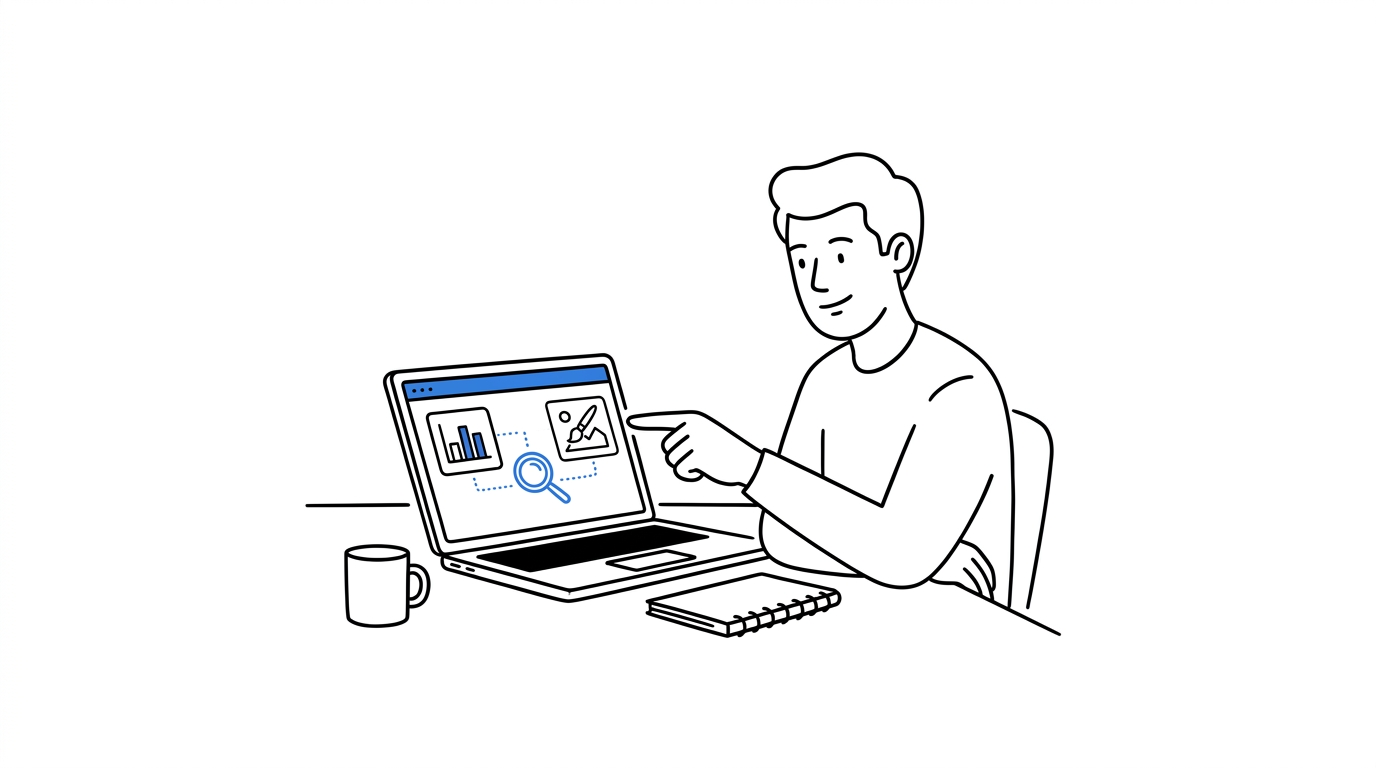
Two Categories, Not One Tool
Every "best AI ad tool" list mixes two jobs that need different software:
- Budget and bid optimization platforms (Quartile, Smartly.io, Google Performance Max, Meta Advantage+) — these continuously shift spend across campaigns, audiences, and channels based on real-time conversion signal instead of a weekly manual review.
- Creative generation platforms (Omneky, Creatify, AdCreative.ai, Canva) — these produce and test ad images, video, and copy at a volume no in-house designer can match, then route spend toward whichever variant actually converts.
A brand with strong creative but a stale bidding strategy needs the first category. A brand with a solid Performance Max setup but the same three ad images running since Q1 needs the second. Buying a creative tool to fix a bidding problem — or the reverse — is the single most common reason ecommerce teams say "AI ads didn't work for us."
Where Concat Pro Fits First
Before you commit budget to either category, you need a clean read on where your account is actually leaking performance. Concat Pro's Ad Agent covers both jobs at once: it syncs your product feed into channel-ready campaigns, reallocates budget across funnel stages daily, and iterates creative variants per segment — so you're not stitching together a bid tool and a creative tool separately. Run your current account through Concat Rank first to benchmark your paid and organic visibility against category competitors, then use the conversion rate calculator to translate a projected lift into an actual revenue number before you sign with any vendor. That diagnose-first sequence is exactly what both case studies below did before scaling spend.
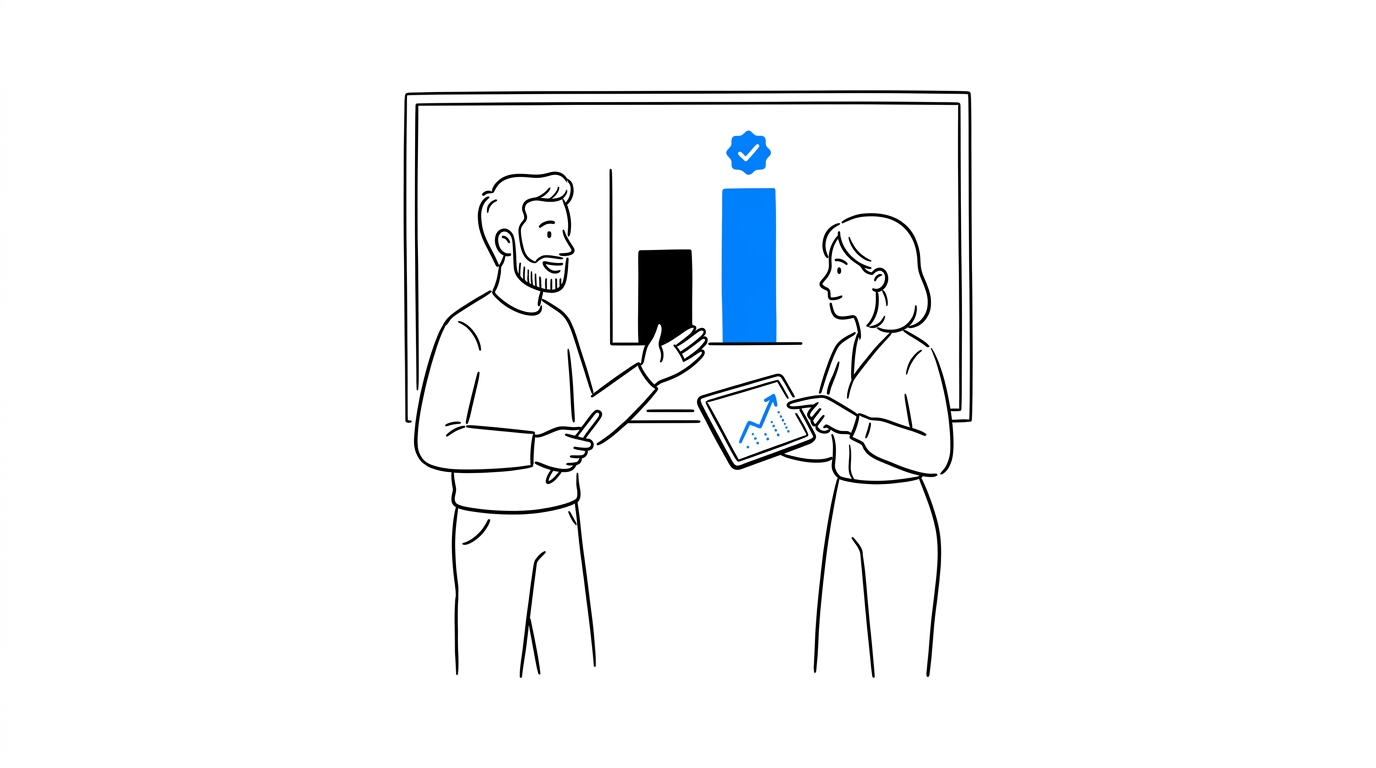
Manual Ad Ops vs. AI Advertising Tools
| Task | Manual Approach | AI Advertising Tool |
|---|---|---|
| Budget reallocation | Weekly spreadsheet review | Continuous, based on live conversion signal |
| Ad creative production | 3-5 static variants per quarter | Dozens of variants generated and tested per segment |
| Bid management | Static or rule-based | Adjusts toward CAC/ROAS target automatically |
| Winner identification | Manual A/B test review, days | Automated creative-insight scoring, near real-time |
| Team time required | 15-20 hrs/week per active account | 3-6 hrs/week for review and approval |
Real Growth Cases: Two Verified Results
Quartile × JAWS, a sustainable cleaning-products ecommerce brand, rebuilt its Google Ads account with Quartile's AI engine, restructuring toward Performance Max and Demand Gen instead of legacy Search and Shopping campaigns. The AI system continuously tested audience and creative combinations while reallocating budget toward the highest-converting segments. Result: a 250% improvement in ROAS, a 37% reduction in cost-per-click, and a 60% increase in overall account efficiency — comparable revenue delivered on meaningfully less spend. The lift came from restructuring the account around AI-managed bidding, not from a bigger budget.
Omneky × Omiana, a vegan and organic beauty ecommerce brand, used Omneky's generative-AI creative engine to produce and test ad variants at a volume its small internal team couldn't match manually, paired with Omneky's creative-insight reporting to identify which visual and copy elements actually drove conversions. The brand scaled Facebook ad spend by 135% while holding a positive ROAS, achieved a 3.5X return on ad spend, and grew year-over-year sales 200% in 2023, with a record Q3 that quarter — 68% of that revenue traced directly to Omneky-managed campaigns. "The creative testing told us things about our own product photography we didn't know," said CEO Kevin Schrantz. Same lesson as Quartile, opposite lever: the win came from creative iteration speed, not from spending more per click.
For a current side-by-side of three named AI ad-creative tools relevant to this exact category, this recent comparison is worth watching:
Common Mistakes to Avoid
- Buying a creative tool when the real leak is bidding. JAWS's 250% ROAS gain came from account restructuring, not new ad images.
- Buying a bidding tool when the real leak is creative fatigue. Omiana's 3.5X ROI came from creative variety, not tighter bids.
- Judging results after a few days. Both case studies scaled spend gradually over months as the AI system accumulated conversion signal.
- Skipping the diagnostic step. Neither brand turned on automation blind — JAWS restructured its account first; Omiana paired creative generation with insight reporting to know why a variant won.
- Running one tool per channel with no shared data. Bid and creative decisions should draw on the same conversion data, not separate silos.
If you're building out the rest of your ecommerce ad stack, two related reads: AI Ad Agent for Ecommerce covers the feed-to-campaign workflow behind a platform like Quartile, and Growth Tools for Ecommerce Brands covers how ad tools fit alongside retention and affiliate software. If site search rather than ad spend is capping your conversion rate, Ecommerce Search Tool Workflow covers the on-site half of the funnel.
The Bottom Line
JAWS improved ROAS 250% by fixing bid structure. Omiana grew sales 200% year-over-year by fixing creative volume and insight. Neither result came from an "AI advertising tool" in the abstract — both came from correctly diagnosing which of the two categories above was the actual bottleneck, then picking software built for that specific job. Run the diagnostic first; the tool choice gets easy after that.
References
- Concat Pro — Ad Agent, Concat Rank, Conversion Rate Calculator
- Quartile — How JAWS Improved ROAS 250% With a Google Ads Overhaul
- Omneky — Omiana Case Study and SaaS Report, "Creatify vs AdCreative ai vs Canva - Best AI Ad Creative Tool in 2026", YouTube, April 2026