Most "growth tools" searches return single-product reviews. That's the wrong question. Operators don't need one more app — they need a stack: a small set of tools that share data and cover the funnel without five logins, three exported CSVs, and a Slack channel dedicated to "which tool has the real number." Tool overload, not tool scarcity, is what actually slows growth teams down. Here's what a lean stack looks like at four different startup stages, and how to decide between a point solution and an integrated platform at each one.
Where Concat Pro Fits Into a Startup Growth Stack Without Tool Overload
Before adding another point solution, consolidate the layers you're most likely running as separate subscriptions today. Rank surfaces top creators and channels across industries and platforms, giving you a starting point for creator research instead of a standalone outreach-list tool — useful the moment any segment below starts partnership or influencer outreach. The Conversion Rate Calculator turns raw funnel numbers into a decision input during weekly reviews instead of a spreadsheet someone forgets to update. And the SEO/GEO Agent covers the technical and generative-search optimization work most stacks currently outsource to a fourth vendor. None of this replaces your CRM or ad platform — it replaces the discovery and diagnostic tools that usually sit half-used by week three.
Point Solution vs. Integrated Platform: Which Fits Your Stack Stage
This isn't ideological — it's a stage question. Below roughly $10K MRR, a point solution wins: you need one job done today, and switching cost is low. Past that, every extra login is a failure point — someone skips the fourth dashboard and a lead goes cold.
| Signal | Point Solution | Integrated Platform |
|---|---|---|
| Team size | 1 person, one job | 2+ roles touching the same data |
| Data flow | Stays in one tool | Needs to move between tools |
| Monthly tool spend | Under $200/mo | Stacking past $500/mo |
| Failure mode | Feature gaps | Login and context-switch fatigue |

Solo Founder Growth Stack
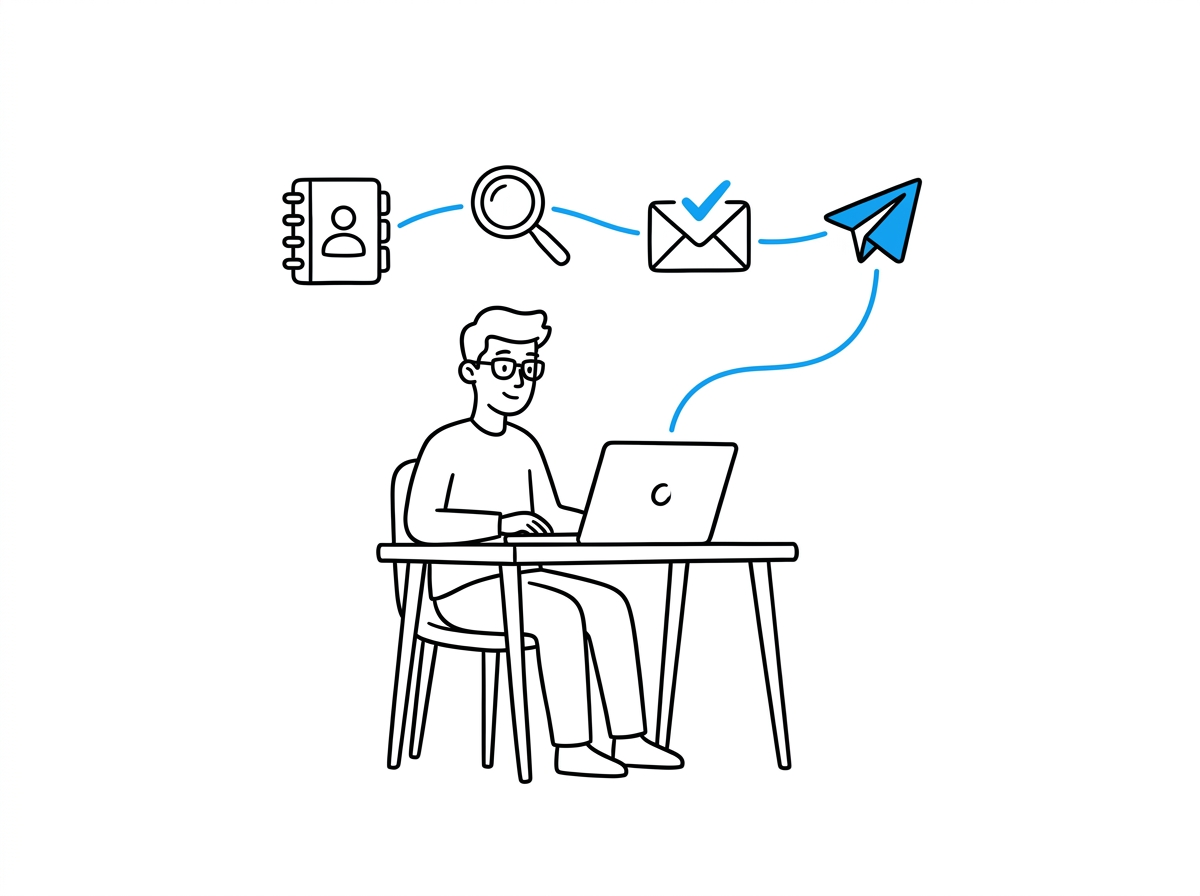
Jacob Tuwiner, founder of ServiceBell, needed pipeline without hiring an SDR. Using Clay to pull a HubSpot partner list, enrich it, identify the right decision-maker, verify the email, and launch a campaign, he ran the entire workflow himself in about one hour. The first meeting landed within 15-20 minutes of sending, and the sequence booked roughly 30 meetings over the following weeks. The lesson for solo founders: your stack should be one enrichment-to-outreach pipeline, not five separate logins for list-building, verification, and sending.
SaaS Startup Growth Stack
Lovable, the Stockholm-based AI app builder, hit a different version of tool overload: sales, partnerships, and recruiting each running separate outreach motions on separate tools. AI Ops engineer Ludvig Widmark consolidated inbound lead routing, partnership sourcing, and recruiting sourcing onto one platform, and reps closed 50% more qualified meetings per rep afterward — in his words, the goal was to "make 150 people operate like 1,500." If your growth stack still separates ad creative production from your lead pipeline, see how teams building ad creative at speed approach the same consolidation problem.
Ecommerce Startup Growth Stack
Underoutfit, a three-person D2C marketing team, shows tool overload solved through agents instead of headcount. Using Triple Whale's Moby Agents, the team launched 12+ AI agents inside two weeks, saved over 20 hours a week, and — per co-founder Felix Leshno — filled five open roles with agents instead of new hires. The ecommerce version of the stack question isn't "which analytics tool," it's "which layer removes the most manual reporting per person."
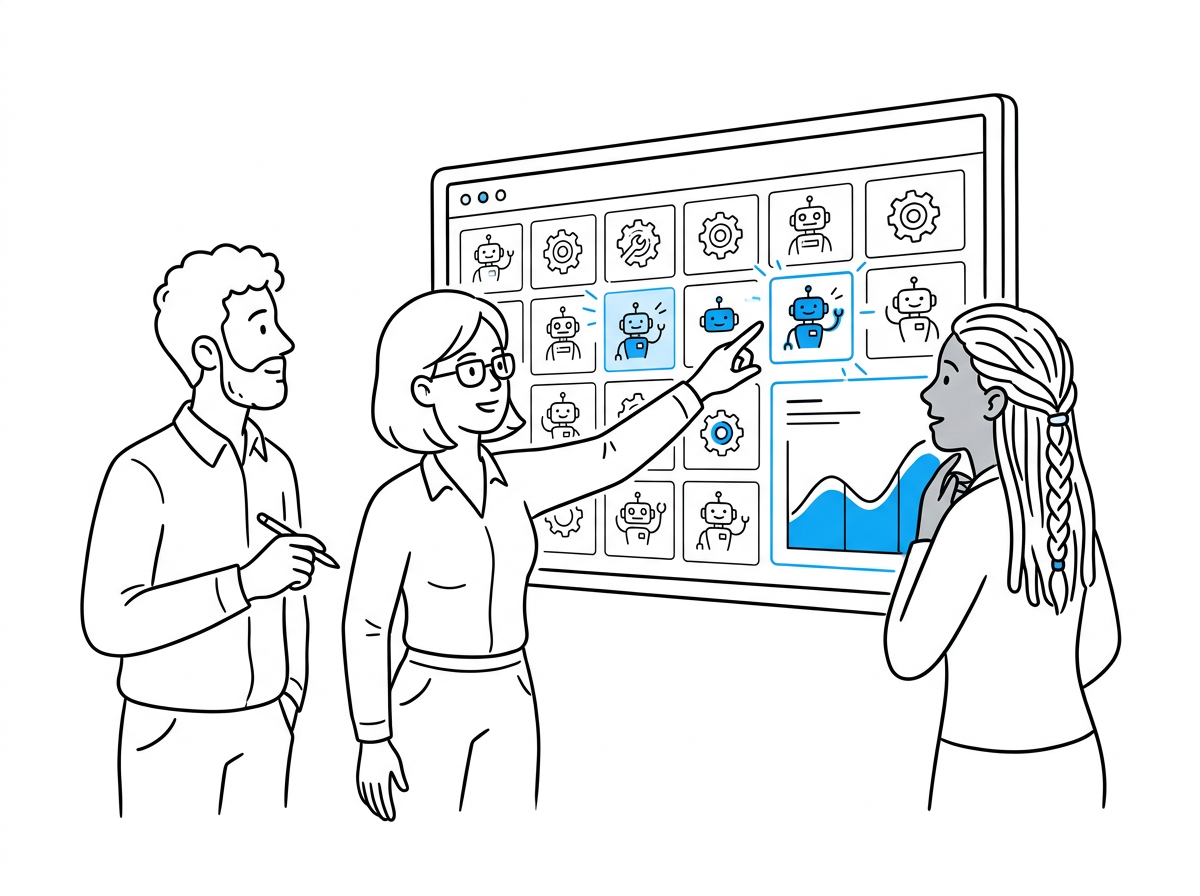
A recent breakdown of an ecommerce AI stack covers the same ground:
For channels beyond paid and analytics, our B2C startup breakdown covers the referral and creator-distribution layers this section doesn't.
Growth Team Stack
At Intercom, RevOps director Alexander DeMoulin used Clay to unify enrichment across 150+ data providers instead of running parallel vendor contracts per team. In one month, the team sourced 4,000+ accounts, enriched 21,000 contacts, and grew outbound-sourced pipeline by 140%. His description of the setup: Clay works like a "glass box" — you see exactly what's happening to your data instead of trusting several disconnected tools to reconcile themselves. Growth teams scaling past a single motion should apply the same test to creator and influencer programs — our creator outreach playbook walks through consolidating that specific channel.
Common Mistakes When Building a Growth Stack
- Buying the point solution before mapping the workflow it needs to fit into.
- Letting each team member pick their own tool for the same job — four enrichment tools, four invoices.
- No one owns stack consolidation, so it becomes a Q4 cleanup instead of a monthly review.
- Choosing platform breadth before proving the workflow works manually even once.
Growth Stack Checklist
- List every tool touching your funnel and who logs into it weekly.
- Flag tools nobody has opened in 30 days.
- Consolidate one discovery or diagnostic layer — creator research, conversion data, or technical SEO — first.
- Re-run the stage table above before renewing any annual contract.