DTC Growth Summit 2025: Key Takeaways Every Brand Operator Needs to Know
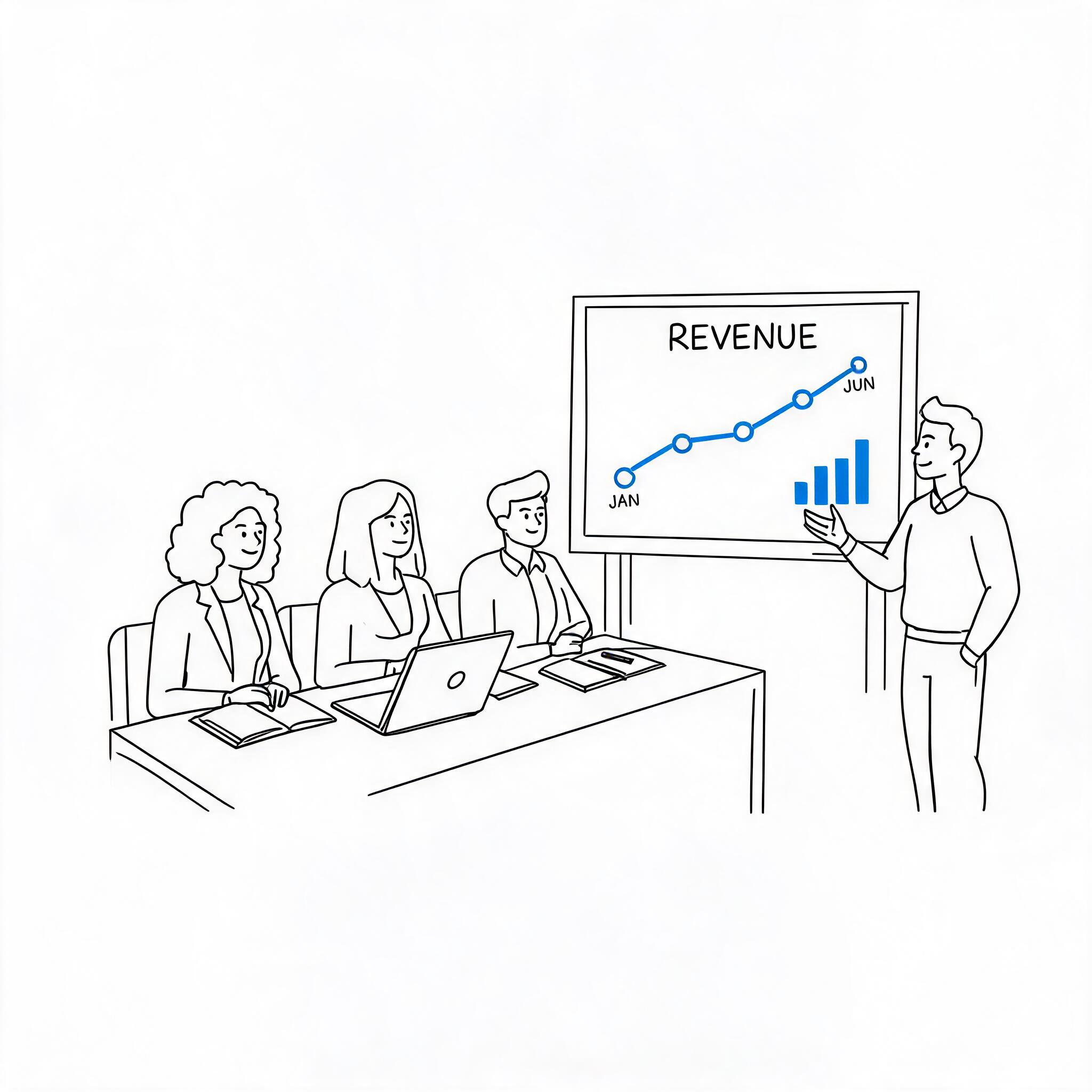
The DTC Growth Summit is not another conference where vendors pitch software to distracted attendees. It is a deliberately small, operator-run event — roughly 80 to 100 founders, media buyers, and growth leads in a room — where every session delivers real numbers from brands scaling between $500K and $150M+ per year. The 2025 edition was held in New York City on July 23rd, with an expansion event planned for Miami. If you run a direct-to-consumer brand and haven't been to a DTC Growth Summit, here's what you missed and what you need to act on before the next one.
Who Actually Attends the DTC Growth Summit
The DTC Growth Summit filters for operators, not spectators. The room is filled with:
- DTC founders and CEOs running brands from $500K to $100M+ in annual revenue
- Heads of growth and media buyers managing real ad budgets with accountability to contribution margin
- Conversion and lifecycle specialists optimizing Shopify PDPs, email sequences, and retention funnels
No fluff panels, no "vision" keynotes. Every speaker is an active practitioner. That format makes the DTC Growth Summit a rare place where you can benchmark your unit economics against brands at the same stage.
3 Growth Tactics That Dominated DTC Growth Summit 2025
1. The 7-Figure Product Drop Formula
Raymond Johnston of Right Hook Digital broke down why most DTC brands leave money on the table during launches. The insight: the majority of launch revenue is captured in the pre-launch ramp, not launch day itself.
His DTC Growth Summit playbook:
- Run an aggressive acquisition offer 60–90 days before the drop to build a warm retargeting pool
- Run whitelisted creator content across social channels during the ramp phase
- On launch day, micro-track spend, contribution margin, and new customer revenue every 2–3 hours — and kill or scale based on real-time numbers
"The brands that win drops aren't the ones with the best creative on day one. They're the ones with the biggest warm audience already built." — Raymond Johnston, DTC Growth Summit 2025
Watch the full breakdown: 7-Figure Product Drop Campaign Playbook — Raymond Johnston, DTC Growth Summit
2. Kill the Bottom 80% of Your Creative Every 48 Hours
One of the most counterintuitive DTC Growth Summit sessions centered on creative velocity. High-performing media buyers at the summit shared a system: kill the bottom 80% of ad variants every 48 hours and replace them with radically different concepts — not iterations of what already exists.
This isn't A/B testing; it's a forcing function to find new scaling controls before existing ones saturate. Brands running this system at the DTC Growth Summit reported 3–5x improvements in ad account efficiency within 30 days.

3. Real Case Studies from DTC Growth Summit Speakers
| Brand | Founder | Milestone |
|---|---|---|
| Pura Vida Bracelets | Jared Mehr | Scaled to $500M; wholesale grew $0 → $35M |
| Perfectwhitetee | Johnny Hickey | $50K/month → $2M+/month |
| Original Grain | Nate Lagos | 9-figure watch sales via bundle sequencing |
These weren't theoretical projections. Jared Mehr from Pura Vida walked through exactly how they built wholesale from $0 to $35M, which ran alongside — not instead of — their DTC channel. Perfectwhitetee's jump from $50K to $2M+/month came from ruthless margin protection and inventory discipline, not just spend scaling.
How Creator Marketing Fits Into the DTC Growth Stack
One consistent theme across the DTC Growth Summit 2025 sessions: paid social alone doesn't scale margins. The brands compounding fastest are layering creator partnerships into their paid and organic mix — using creator content as both ad creative fuel and brand equity builders.
The DTC Growth Summit speakers highlighted creator whitelisting as a key tactic in the pre-launch ramp phase. But building a scalable creator pipeline is where most growth teams break down. Manual outreach, misaligned audiences, and zero attribution kill the channel before it compounds.
That's exactly the workflow Concat Pro automates — from creator discovery keyed to your brand's customer profile, to AI-personalized outreach, to performance tracking against actual revenue. The result is a creator engine that feeds your paid media and organic growth simultaneously, not a one-off campaign spike.

What to Do Before the Next DTC Growth Summit
The DTC Growth Summit is expanding to new cities. If you're prepping your brand for the next event — or applying the playbooks right now — here's your checklist:
- Know your unit economics cold: CAC, contribution margin, LTV by cohort
- Audit your creative velocity: How fast can your team produce and test net-new ad concepts?
- Map your pre-launch ramp: Is your audience warm 60 days before your next drop?
- Build your creator pipeline now: Creator content is your cheapest ad creative — Concat Pro makes it scalable
- Track blended ROAS, not channel ROAS: DTC Growth Summit speakers consistently warned against optimizing channels in silos
The DTC Growth Summit isn't where you go to feel inspired. It's where you go to come back with a 90-day plan. The operators who attend leave with specific numbers to hit and specific levers to pull.