Generative AI tools for growth are systems that create original marketing assets—ad copy, video, images—on demand, then let teams test, personalize, and scale the winners far faster than a human creative team ever could. That distinction matters. Most "AI marketing" coverage focuses on prediction: lead scoring, churn models, next-best-action. Generative AI is different. It doesn't just tell you what to do—it produces the asset itself, in volume, and the growth teams using it correctly are seeing double- and triple-digit lifts on the metrics that pay the bills: click-through rate, conversion rate, ROAS.
Below are three documented campaigns that show what "generative AI for growth" actually looks like in production, followed by where the tooling still trips teams up.
Case 1: AI-Generated Copy Beats Human Copywriters at JPMorgan Chase
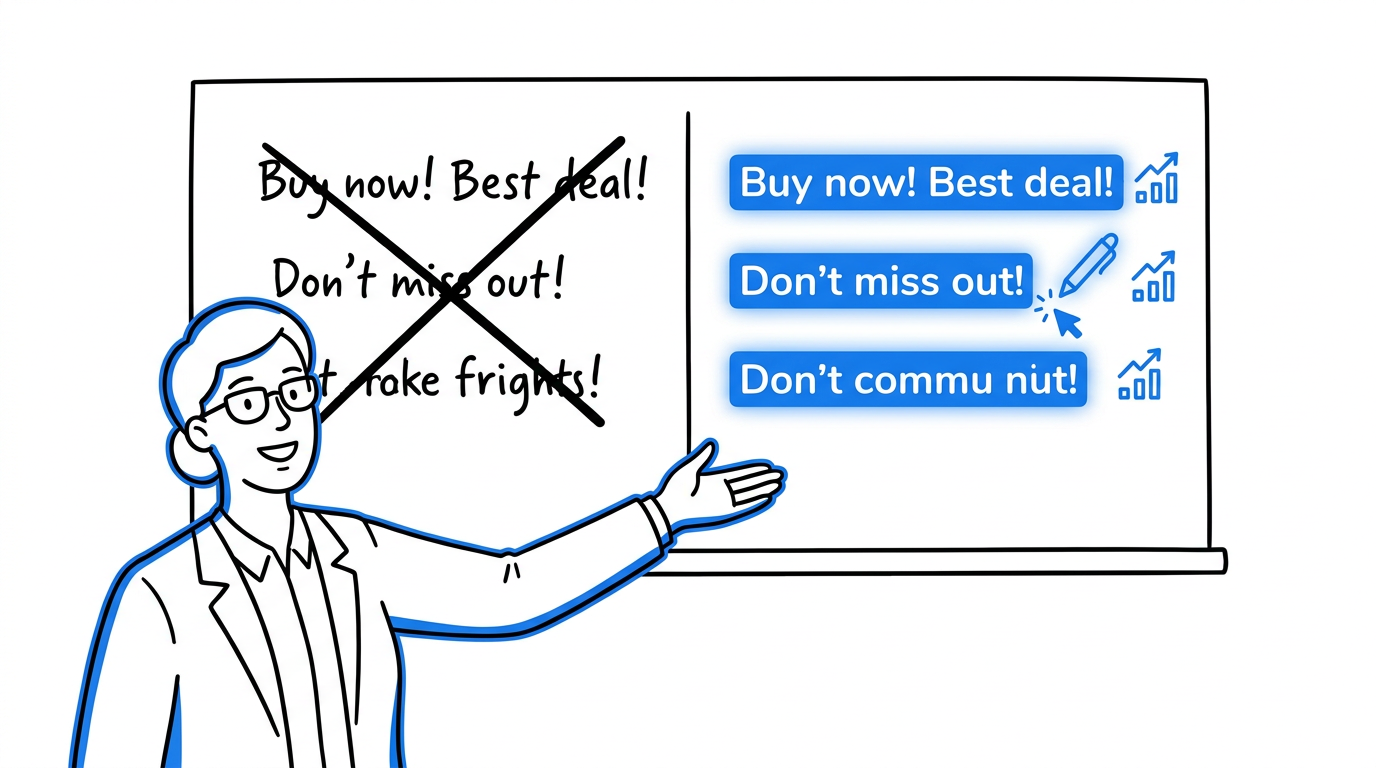
Persado, a generative AI copy platform, ran a pilot with JPMorgan Chase testing AI-generated ad and email copy against copy written by the bank's in-house marketers. The AI-generated variants won consistently, with click-through rate lifts reported as high as 450% on some campaigns. The result wasn't a one-off: JPMorgan signed a five-year enterprise deal with Persado off the back of the pilot, and Persado's later data (cited via Gartner) puts typical engagement and conversion gains in the 50-250% range across large-scale rollouts.
The mechanism is simple. Persado's model generates dozens of copy variants per message, scores them against a language-emotion framework, and routes budget to whichever line converts—something no human copywriter can do at the same speed or sample size.
Case 2: Video Personalization at Retail Scale — Cadbury and Rephrase.ai
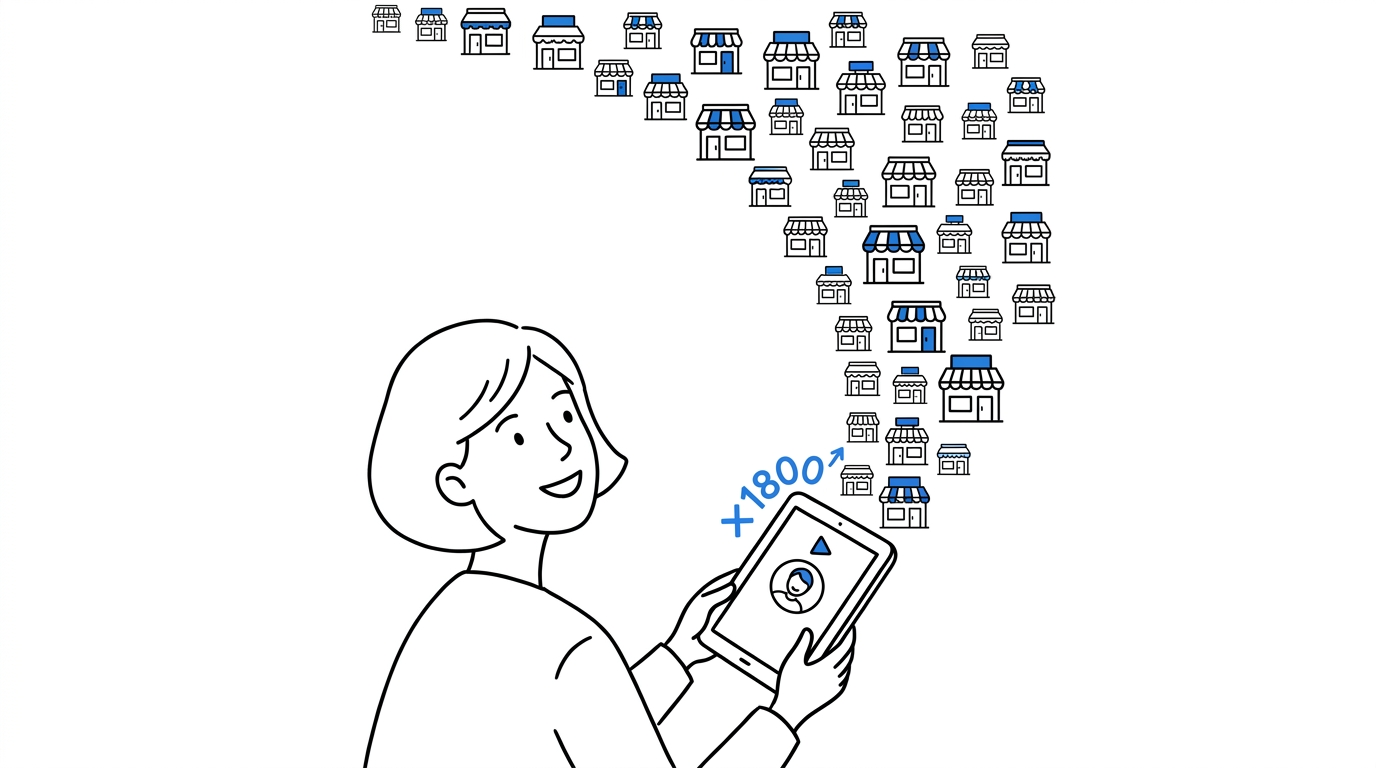
For Diwali 2021, Cadbury (via Mondelez and Ogilvy) partnered with Rephrase.ai to generate hyper-personalized video ads starring a digital likeness of Shah Rukh Khan, each one calling out a specific local retailer by name. Generative video synthesis produced more than 1,800 unique ad variants—one per participating shop—from a single template shoot. The campaign won Clio Awards and was extended into a second phase in 2022.
What makes this a growth story, not just a creative one: the underlying retailers saw a direct, attributable sales lift from ads that felt individually made for their store, at a production cost that would have been impossible with traditional video shoots.
Case 3: Meta Advantage+ Turns Creative Generation Into a Standing Growth Lever
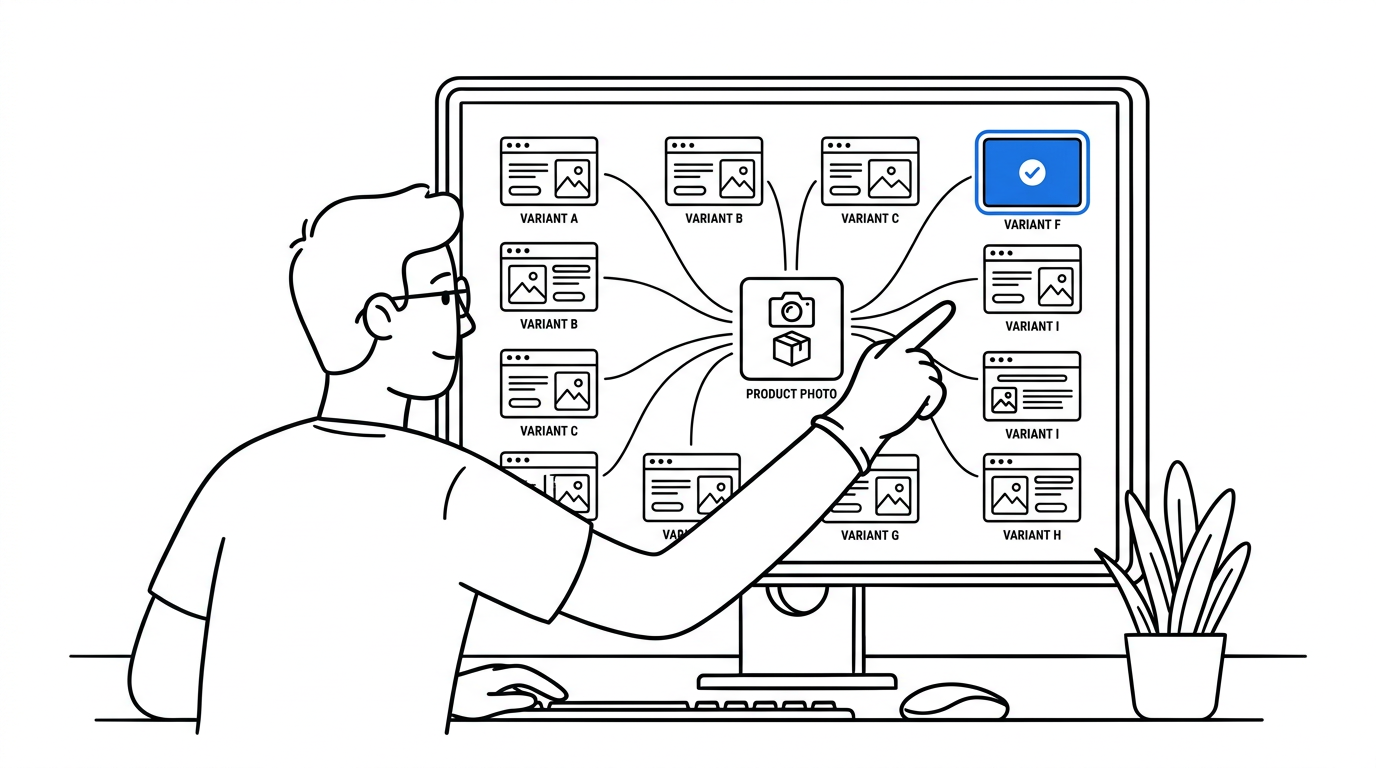
Meta's Advantage+ Sales Campaigns use generative AI to automatically produce and test ad creative variations—copy, image crops, and combinations—directly inside the ad platform. Reported results show an average 22% lift in ROAS for advertisers using Advantage+ versus manual campaign setup, and adoption grew roughly 70% year-over-year through Q4 2024 as more growth teams shifted budget into AI-generated creative testing.
Unlike the first two cases, this isn't a one-time campaign—it's infrastructure. Advantage+ shows that generative creative testing is becoming a default layer of paid growth, not a novelty.
Manual Creative Production vs. Generative AI Workflows
| Task | Manual Process | Generative AI Process |
|---|---|---|
| Ad copy variants | 3-5 lines per brief, days of writer time | 50-100+ variants generated and scored in minutes |
| Video personalization at scale | Reshoot per segment; cost-prohibitive past a few variants | 1,000+ personalized variants from one template |
| Creative testing cadence | Weekly or monthly, limited by production capacity | Continuous, automated within the ad platform |
| Cost per variant | High (studio time, talent, editing) | Marginal — near-zero after setup |
| Time to first measurable signal | 2-4 weeks | Days |
Common Mistakes Growth Teams Make With Generative AI Creative
- Treating AI output as final, not a draft. The Persado and Cadbury wins came from testing AI variants against real data, not shipping the first output.
- Skipping brand guardrails. Unreviewed generative copy or video can drift off-brand fast; set tone and compliance rules before scaling volume.
- Generating volume without a measurement plan. More variants only help if you're tracking CTR, CVR, and ROAS per variant—not just impressions.
- Ignoring the personalization data requirement. Cadbury's 1,800 variants worked because retailer-level data existed to drive them. Generative AI amplifies whatever targeting data you feed it.
- Using one tool for every asset type. Copy generation, video personalization, and ad-creative automation are different problems; the tools above are each specialized, not interchangeable.
Where Concat Pro Fits
Concat Pro's Ad Agent automates the same core workflow behind the Meta Advantage+ and Persado results above: generating and testing multiple ad creative and copy variants against real performance data, without needing a separate agency cycle for every iteration. Pair it with the SEO/GEO Agent to make sure the organic content feeding your funnel is generated and optimized with the same rigor as your paid creative. Before you scale spend behind AI-generated creative, benchmark your current baseline with the free Growth Rate Calculator so you can quantify the lift once your generative workflow is live.
Watch: Generative AI Trends Shaping Marketing in 2026
Eric Siu's breakdown covers AI avatars, generative ad-creative tools producing thousands of variants, and agentic content workflows—directly reinforcing the shift documented in the case studies above.