Influencer Marketing Platform: How to Pick One That Actually Grows Revenue
The influencer marketing industry hit an estimated $32.55 billion in 2025, up roughly 35% year over year (Influencer Marketing Hub / Statista). That growth is exactly why "influencer marketing platform" is one of the highest-intent searches in the category — 8,100 searches a month in the US, with low competition (Google Keyword Insight, competition index 11). Brands aren't asking whether to run influencer campaigns anymore. They're asking which software will keep them from drowning in spreadsheets while they scale.
The honest answer: platform choice is not cosmetic. GRIN, Upfluence, and Aspire — the three most-searched names in the category — are built around fundamentally different jobs (e-commerce fulfillment, multi-platform discovery, and paid-ad workflow automation, respectively). Pick the wrong one and you'll spend the first two quarters fighting the tool instead of running campaigns. Here's how to evaluate the category and where AI-native tools like Concat Pro's Creator Agent now change the math.

What an Influencer Marketing Platform Actually Does
Strip away the marketing copy and every platform in this category sells five capabilities:
- Discovery — searching creator databases by niche, audience demographics, and engagement quality
- Outreach/CRM — managing conversations, briefs, and relationships at scale
- Product seeding/fulfillment — shipping product to creators and tracking inventory
- Content rights and UGC-to-paid — turning organic creator content into Meta/TikTok ad creative
- Attribution/reporting — connecting creator activity back to actual sales
No platform is equally strong at all five. Grin leans hardest into Shopify/WooCommerce fulfillment; Upfluence leans into cross-platform discovery and Amazon Attribution; Aspire leans into workflow automation and paid UGC. Knowing which of the five your team is actually short on determines the shortlist.
Three Real Growth Cases
MVMT Watches × Grin. Before adopting a platform, MVMT's influencer team managed everything in spreadsheets — a five-person team drowning in manual tracking. After switching to Grin's Shopify-integrated workflow, the brand posted 7x creator growth, generated 100,000 affiliate-code conversions, and produced 39,000 pieces of influencer content, with the team now spending 85-90% of its time inside one system instead of stitching together tools (Grin customer case study).
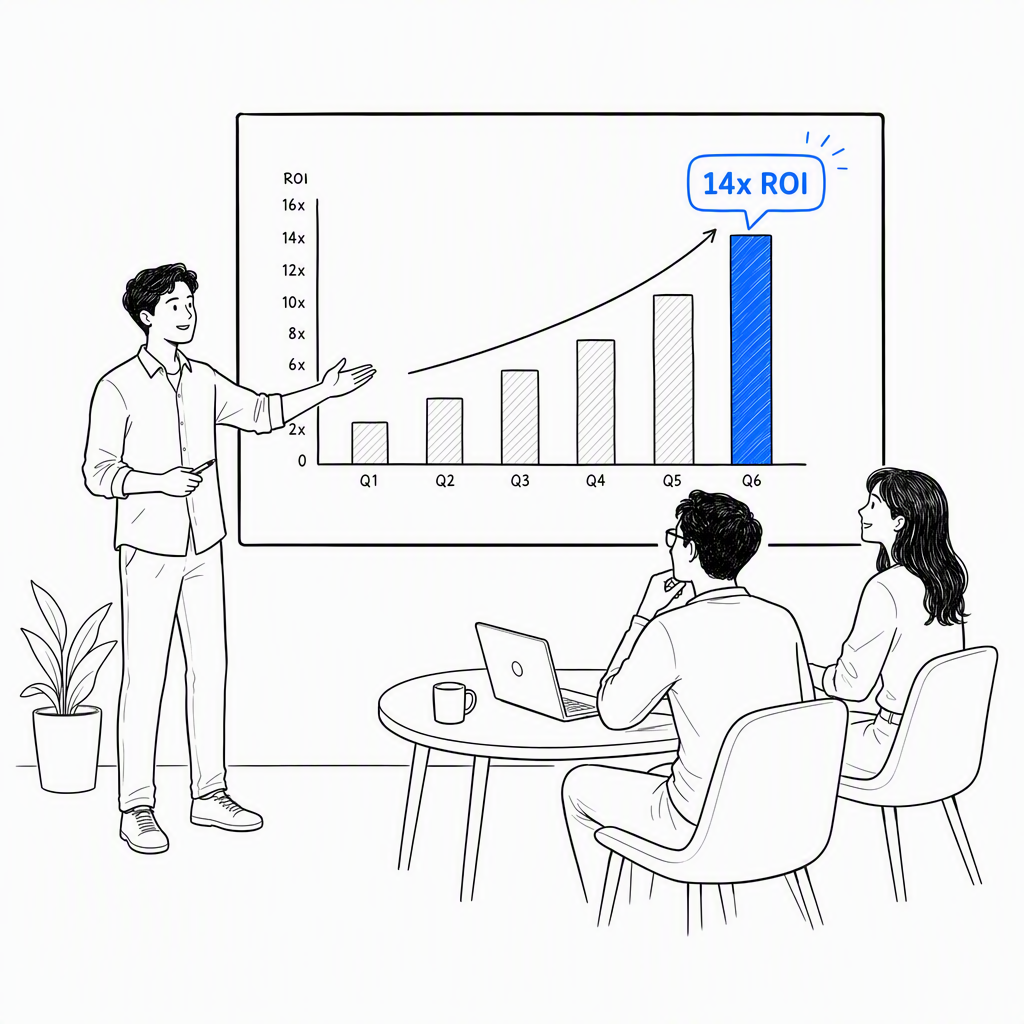
Valabasas × Upfluence. Using Upfluence's discovery and Amazon Attribution tools, the denim brand Valabasas drove $165,000 in sales at a 14x return on influencer spend — a concrete data point for what "high-intent discovery" is worth when attribution is set up correctly (Upfluence customer results, cited via Genesys Growth's 2026 platform comparison).
M&M'S × Aspire. M&M'S used Aspire's creator marketplace and campaign workflows to increase influencer-program engagement rate by 29% year over year, while cutting 20-25 hours of manual coordination per month — proof that automation gains show up in team capacity, not just campaign metrics (Aspire official customer story).
Manual vs. AI-Native Creator Workflow
| Task | Manual / Spreadsheet Approach | AI-Native Platform Approach |
|---|---|---|
| Creator discovery | Manually search Instagram/TikTok hashtags, guess fit | AI matches creators to product, audience, and budget in minutes |
| Outreach | Copy-paste DMs one by one, track replies in a sheet | Automated personalized outreach with pipeline tracking |
| Vetting | Eyeball follower count and recent posts | Engagement quality, audience overlap, and fraud signals scored automatically |
| Content rights/UGC | Manually re-upload approved content into ad accounts | Native Meta/TikTok partnership integrations push content to paid |
| ROI reporting | Manual spreadsheet math per creator, per code | Dashboard ties spend to attributed sales and EMV in real time |

A 4-Phase Framework for Choosing (and Actually Using) a Platform
Phase 1 — Define the job, not the feature list. Are you fulfillment-constrained (need automated seeding), discovery-constrained (can't find enough qualified creators), or execution-constrained (campaigns take too long to launch)? Most failed platform purchases happen because a team bought for feature breadth instead of their actual bottleneck.
Phase 2 — Match the platform to your commerce stack. If Amazon is a meaningful revenue channel, Upfluence's Attribution integration is close to mandatory. If Shopify fulfillment volume is the pain point, Grin's native sync wins. If TikTok/Meta UGC-to-paid is the growth lever, Aspire's ad integrations matter more than database size.
Phase 3 — Pilot before the 12-month contract. None of the major platforms offer public self-serve trials; most sell on annual terms. Negotiate a 60-90 day pilot with a reduced creator cap before committing, and get reference customers in your vertical running comparable volume.
Phase 4 — Measure contribution, not just last-click attribution. Influencer content rarely closes the sale in the same session it's seen. Track branded search lift, paid conversion-rate improvement during active creator periods, and cost-per-acquisition shifts — not just the platform's own dashboard number.
Common Mistakes to Avoid
- Buying an all-in-one platform to replace strategy instead of automating a defined bottleneck
- Skipping the pilot and signing a 12-month contract before validating fit
- Judging ROI on first-touch or last-click attribution alone
- Ignoring payment/payout friction (PayPal-only payouts create real problems for international creators)
- Letting the platform run without a clear creator-brief standard, so content quality varies wildly
Where Concat Pro Fits
Enterprise influencer platforms are built for teams that already know their creator strategy and just need execution infrastructure. Concat Pro's Creator Agent is built for the step before that: it matches creators to your product, audience, market, and budget automatically, ranks them by fit instead of raw follower count, and generates personalized outreach — so you walk into a platform evaluation (or skip needing one) already knowing which creators convert for your category. Pair it with the CPM Calculator to benchmark paid amplification costs and the Growth Rate Calculator to model what a 5-14x ROI campaign actually does to your monthly growth curve — the same math behind the Valabasas and MVMT numbers above. For the full measurement framework, see Concat Pro's guide on measuring influencer marketing ROI.
For a data-driven breakdown of why most brands waste money on influencer marketing — and how to structure campaigns that actually convert — Neil Patel walks through real results from 2,800+ campaigns:
You're Wasting Your Money on Influencer Marketing — Neil Patel (2026)
References
- Concat Pro — Creator Agent, CPM Calculator, Growth Rate Calculator, Measuring Influencer Marketing ROI Guide
- Grin — MVMT Influencer Marketing Case Study
- Aspire — M&M'S Customer Story