Most small businesses can't afford a developer, and off-the-shelf software rarely fits a specific workflow. That gap is exactly what "vibe business" — running or growing a small business by vibe-coding your own internal tools with AI, instead of buying rigid SaaS or hiring engineers — is starting to close. Vibe business for small business isn't about replacing your team with AI; it's about a shop owner, a solo advisor, or a three-person agency building the one tool they actually need, in a weekend, for a fraction of custom-development cost. Below is a real case, a real video walkthrough, and the concrete tools that help you validate the result.
Where Concat Pro Fits Into Vibe Business for Small Business
Before you vibe-code anything, you need two things most guides skip: a way to see what's already working in your niche, and a way to prove your new tool actually moves the needle. Concat Pro's Rank gives you curated creator and channel rankings, so a small business can quickly benchmark who is already winning attention in their space before spending a weekend building an outreach or content tool around that insight. Once you ship something — a booking widget, a lead form, a mini calculator for your own site — the Conversion Rate Calculator turns raw visitor and conversion counts into a single CVR percentage, so you're not guessing whether the vibe-coded tool actually helped. That combination — see the market, then measure your own funnel — is the operator-first way to treat a vibe-coded app as a business asset, not a side project.
A Real Vibe Business for Small Business Case Study
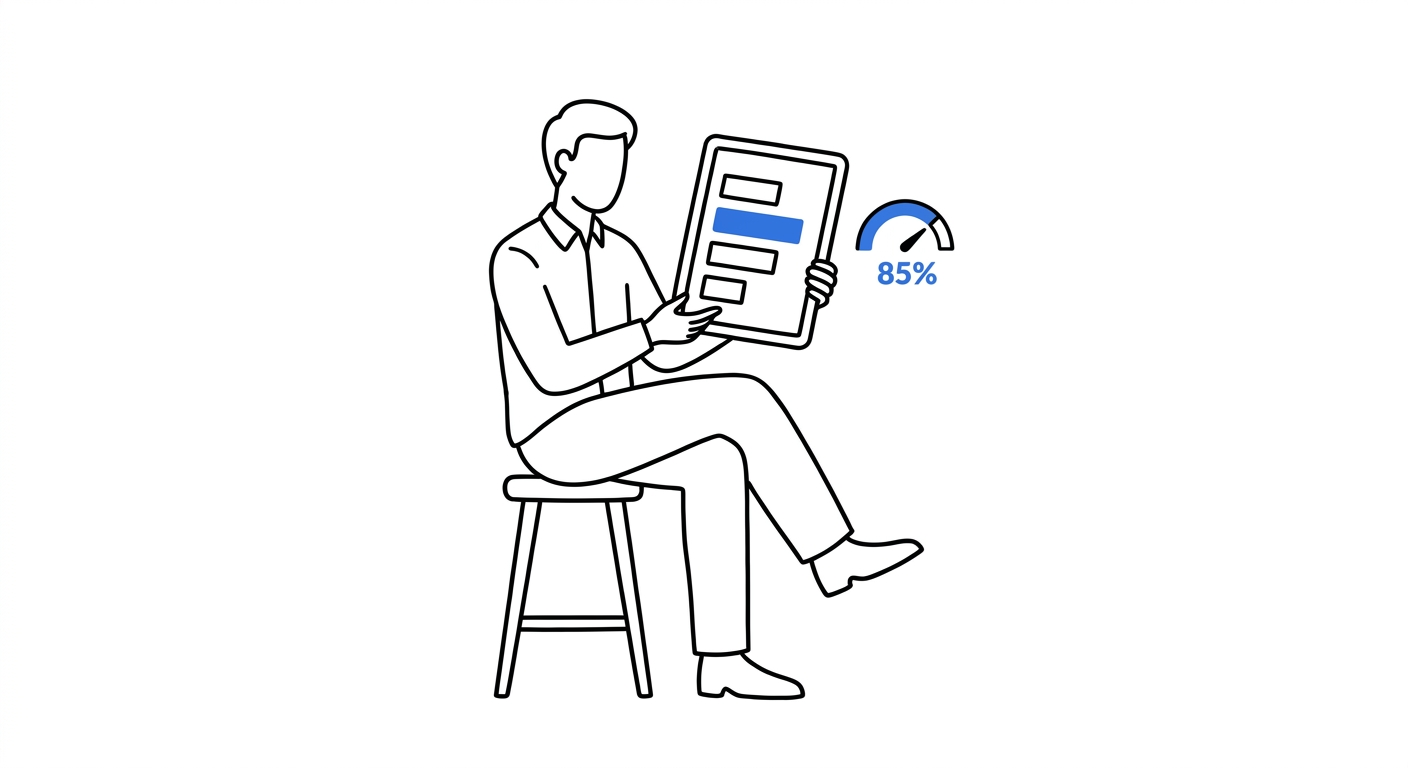
The clearest proof this works outside solo-founder SaaS comes from financial advisory, a heavily regulated, non-technical industry. Financial planner and Kitces.com contributor Derek Tharp documented how advisory practices are using Replit — a vibe-coding tool — to build custom client-facing calculators, such as a PMI-elimination ROI tool that shows homeowners exactly when dropping private mortgage insurance pays off. Advisors needed this kind of calculator for client meetings, but generic off-the-shelf software didn't match their specific method, and hiring a contract developer for a single-purpose tool wasn't worth the cost or the maintenance burden. By prompting an AI coding assistant directly, non-technical advisors shipped a working, brand-specific calculator themselves, then iterated on it after watching real client reactions in meetings. The lesson for any small business: the highest-value vibe-coded tool is usually the narrow one your customers already ask you for, not a general app.
Watch: Building a Real Vibe-Coded Business App
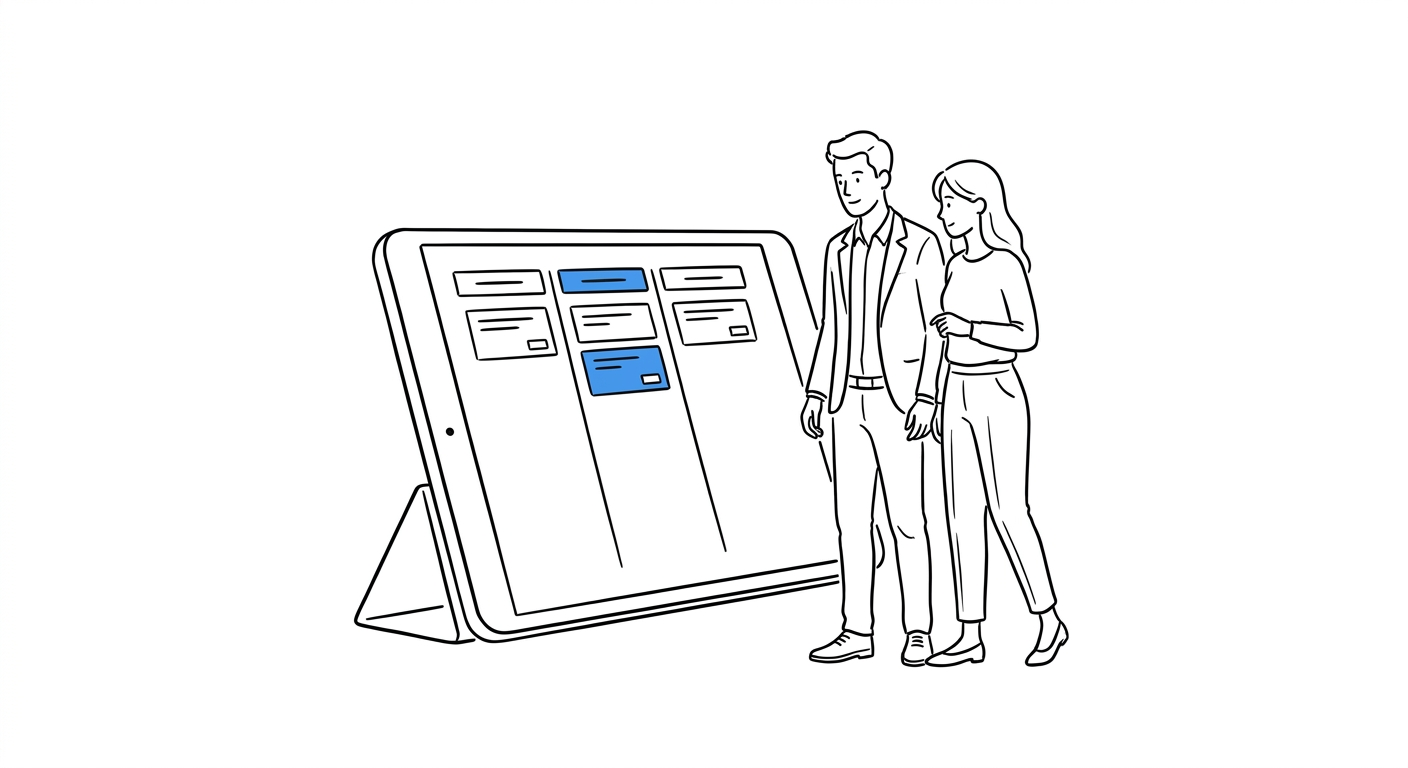
For a step-by-step look at the same pattern in practice, watch Mikey No Code's "How to Vibe Code Your Business App in 2026" (158K subscribers, 14,000+ views, published this year). It walks through building an internal project-management tool with roles, permissions, and a CSV import — combining no-code database blocks with AI prompting for the custom logic.
It's a useful reality check: pure vibe coding alone struggles with structured data and permissions, so the strongest builds mix a stable no-code foundation with AI for the parts that need to be custom.
| Task | Manual / off-the-shelf | Vibe business approach |
|---|---|---|
| Client-facing calculator | Generic template, doesn't match your method | Prompted, brand-specific logic |
| Internal tool with permissions | Contract developer, weeks + ongoing fees | No-code blocks + AI prompting, days |
| Validating it worked | Gut feel | Conversion Rate Calculator on real traffic |
| Finding your competitive bar | Manual scrolling | Rank benchmarking |
3 Steps to Start Your Own Vibe Business for Small Business Project
- Pick the one tool your customers already ask for. A calculator, a booking form, a status dashboard — not a full platform.
- Build the narrow version first. Use a no-code base for data and permissions, and AI prompting only for the custom logic, mirroring both the advisory-firm case and the video walkthrough above.
- Measure before you expand. Run real traffic through it and check the Conversion Rate Calculator before adding features nobody asked for.
Common Mistakes to Avoid
- Skipping validation with real users. The advisors above iterated after watching client reactions — ship, then watch, then adjust.
- Over-scoping the first build. A do-everything app takes longer and is harder to test than one narrow tool.
- No security or data review before launch, especially for anything handling customer or financial data.
- Never measuring the result. If you can't point to a conversion or time-saved number, you can't tell if the tool earned its place.
For more on stacking AI into everyday operations, see Concat Pro's guides on AI tools for small business and small business growth strategies — both cover adjacent workflows worth pairing with your first vibe-coded tool.
Vibe business for small business works best as a discipline, not a trend: build the narrow thing your customers already need, benchmark the market with Rank, and confirm the result with real conversion data before you build the next one.