A "vibe coding" tool turns a prompt into an app. A vibe business platform goes further: it turns a prompt, or a URL, into a running business — brand identity, ad creative, landing pages, funnels, and live campaigns, without a team stitching five tools together. The category is barely a year old, but the workflow problem it solves — too many disconnected point tools, too little time to operate them — is not new. If you run growth for a lean team, the real question isn't "is this a cool demo?" It's: does a single platform actually save you the hours you currently spend gluing SEO, ads, and reporting tools together, and can you measure the difference?
Where Concat Pro Fits Into a Vibe Business Platform Workflow
Concat Pro is not a vibe business platform itself, but it plugs directly into the two stages every vibe business platform still leaves half-finished: proving the content works in organic search and AI answers, and proving the growth is real.
Once a platform like this ships your landing pages and campaigns, someone still has to make that content findable. Concat Pro's SEO/GEO Agent reads your product, audience, and existing keyword footprint, then generates articles structured for both classic SEO and AI-answer engines (ChatGPT, Perplexity, AI Overviews) before publishing them in one click — the exact gap left when an AI platform builds you a funnel but not the search visibility behind it. If your growth motion depends on creators instead of (or alongside) paid media, Rank gives you curated, up-to-date leaderboards of top creators by platform and niche, so you're not guessing who to brief when a new campaign needs a face. And because "the AI built it fast" isn't the same as "the AI built something that grows," the Growth Rate Calculator turns two periods of revenue or traffic data into one clean growth-rate number you can put next to whatever a vibe platform claims about itself. Same discipline we cover in our breakdown of an AI-native growth OS: automation should still produce a number you can defend in a review.
What Actually Makes a Platform "Vibe Business"
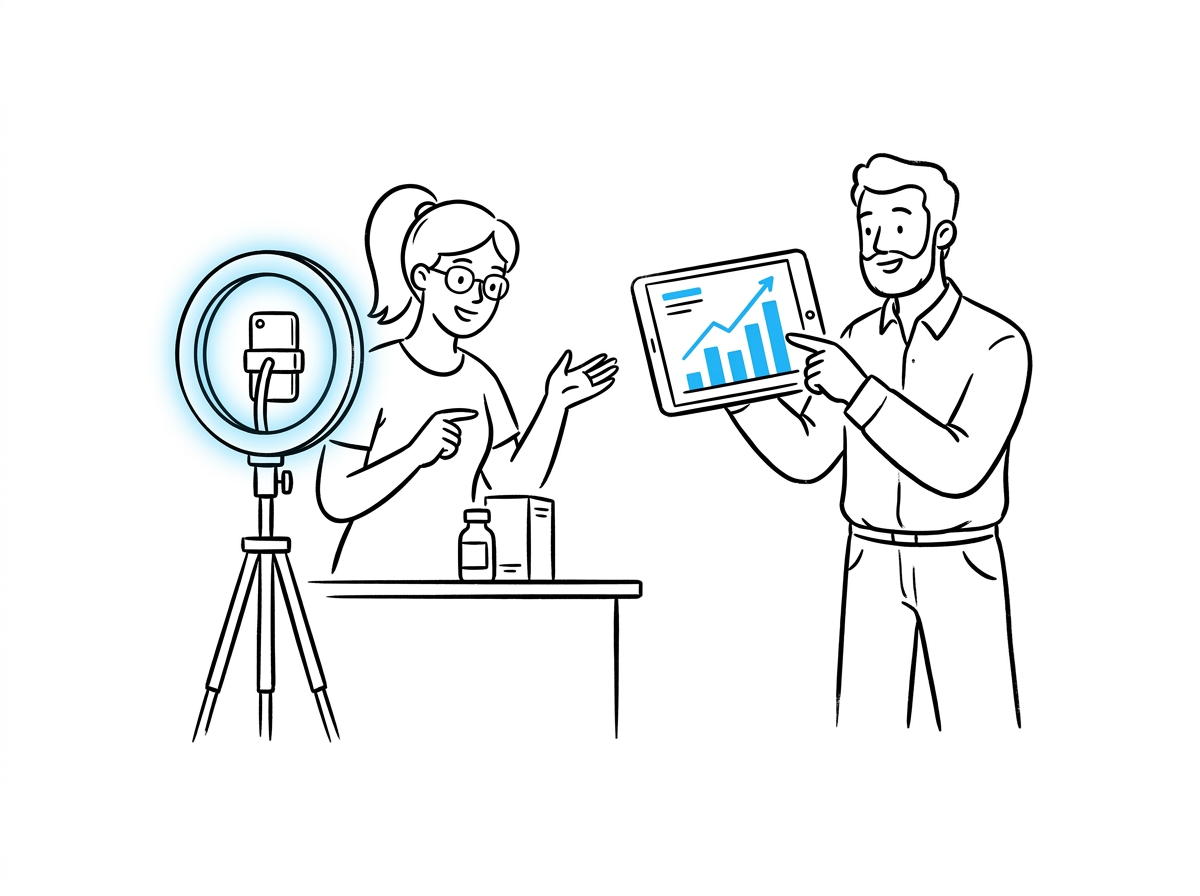
The clearest real-world example is Vibiz.ai, which markets itself as "the first Vibe Business Platform." Feed it an idea or an existing website URL and it extracts a brand identity, generates ad creatives and UGC-style videos, builds landing pages and funnels, wires up Stripe checkout, and launches paid campaigns across Meta, TikTok, LinkedIn, X, and Google — plus scheduled organic posts. The pitch is one continuous system instead of a founder toggling between a logo generator, a page builder, an ad-creative tool, and a separate checkout integration.
The Case Study Numbers
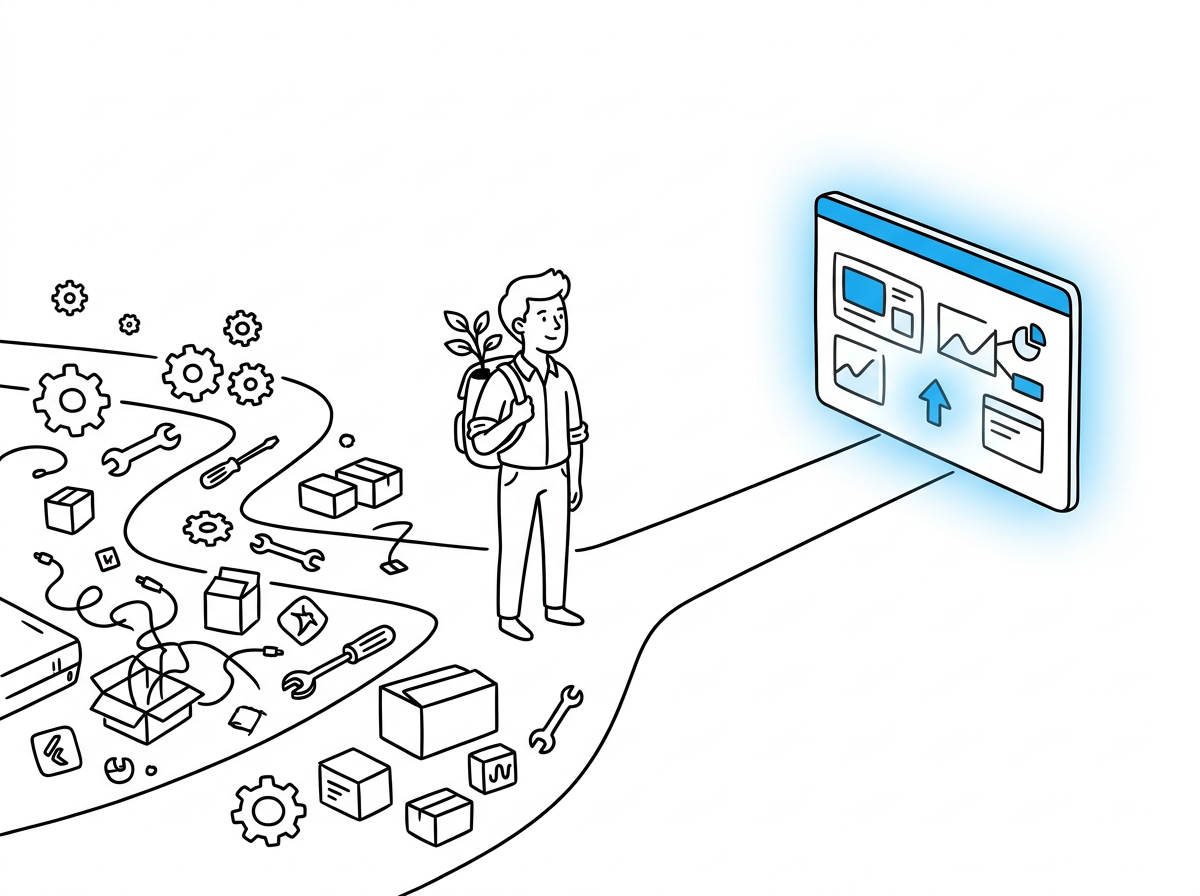
According to a ScrapeGraphAI case study, Vibiz reached $750,000 in ARR within six months of its January 2026 launch, running with a team of eight (four engineers). Two workflows do the heavy lifting behind the scenes: scraping LinkedIn for qualified leads, and reading a customer's own website to build a "brand knowledge base" without needing backend access. One notable story from that writeup: a small pet-products creator whose Vibiz-generated video went viral, pulling tens of thousands of views from what was an almost entirely AI-produced clip. Vibiz's own site claims customers have generated more than 9,000 leads and over $11 million in combined revenue — a company-reported figure, not third-party verified, so read it as a directional claim rather than an audited number.

Vibe Business Platform vs. Stitching Together Point Tools
| Point-tool stack | Vibe business platform | |
|---|---|---|
| Setup time | Days to weeks per tool | Minutes to hours |
| Brand consistency | Manual, drifts across tools | Extracted once, reused everywhere |
| Who operates it | Designer + copywriter + ads buyer | One person can drive it |
| Where it still needs help | — | SEO/GEO visibility, creator sourcing, growth measurement |
Common Mistakes Teams Make
- Treating "it launched" as "it's growing." A live funnel isn't a growth number. Run the before/after through a growth rate calculator before calling it a win.
- Skipping search and AI-answer visibility. A vibe platform can ship a page in minutes; it won't automatically rank it or get it cited by an AI answer engine.
- Ignoring the creator side of distribution. The Passionbits.io writeup on Vibiz notes its own growth leaned on a distributed creator network, not its own social following — worth studying before you assume paid ads alone will move a new brand.
- Skipping the fundamentals covered in our own playbooks, like the workflow breakdowns in AI growth marketing software and AI tools for small business — a platform automates steps, it doesn't remove the need to know what those steps are for.
Watch It In Action
For a walk-through of how a vibe business platform extracts a brand from an existing website and turns it into content, see Everyday AI's demo, This AI Turns Your Website Into On Brand Content Automatically, which covers the brand-extraction step, prompt refinement, and creator use cases in under five minutes.
The Bottom Line
A vibe business platform can compress weeks of setup into an afternoon. It cannot, on its own, prove the output performs — that still takes real measurement and real search visibility. Use the platform to build fast; use SEO/GEO tooling and a growth-rate calculation to confirm it actually worked.
References
- Concat Pro, "SEO/GEO Agent"
- ScrapeGraphAI, "Vibiz Case Study: How an AI Platform Hit $750K ARR in 6 Months"
- Everyday AI (YouTube), "This AI Turns Your Website Into On Brand Content Automatically"