Vibe Business Software: How Growth Teams Build Their Own Tools (and What Breaks)
Your sales team doesn't need another feature request ticket sitting in the engineering backlog for six weeks. They need a dashboard, today, that pulls the numbers they already have. That gap — real business need, zero engineering capacity — is exactly why "vibe coding" jumped from personal side projects into something closer to vibe business software: non-developers using AI coding tools like Lovable, Cursor, and Claude Code to ship internal dashboards, trackers, and calculators that used to require a developer and a sprint.
It's not a toy trend. A quarter of the startups in Y Combinator's most recent cohort now run on codebases that are almost entirely AI-generated, according to YC managing partner Jared Friedman. Lovable, one of the leading vibe-coding platforms, reached $200M in annual recurring revenue in 12 months — the fastest climb in software history. Growth teams are noticing, and they're pointing the same tools at their own operations, not just customer-facing products.
Where Concat Pro Fits Into Your Vibe Business Software Stack
Vibe coding can help you build the tools. Concat Pro helps you give those tools better inputs and make them more useful for growth. Before building another dashboard or internal workflow, you need the right data and resources to work with. Concat Pro Rank surfaces top influencers and channels by industry and platform, giving you a ready-made starting point for creator research and discovery, while tools like the Growth Rate Calculator turn raw performance data into metrics your team can actually use. Once something is vibe-coded and shipped — especially if it's public-facing, like a landing page or a lightweight customer portal — run it through Concat Pro's Website Agent and SEO/GEO Agent before it goes live. Vibe-coded pages ship fast, but they routinely skip basic technical SEO, crawlability, and AI-search readiness because nobody on the build was thinking about that layer. Audit first, launch second.
What Counts as Vibe Business Software
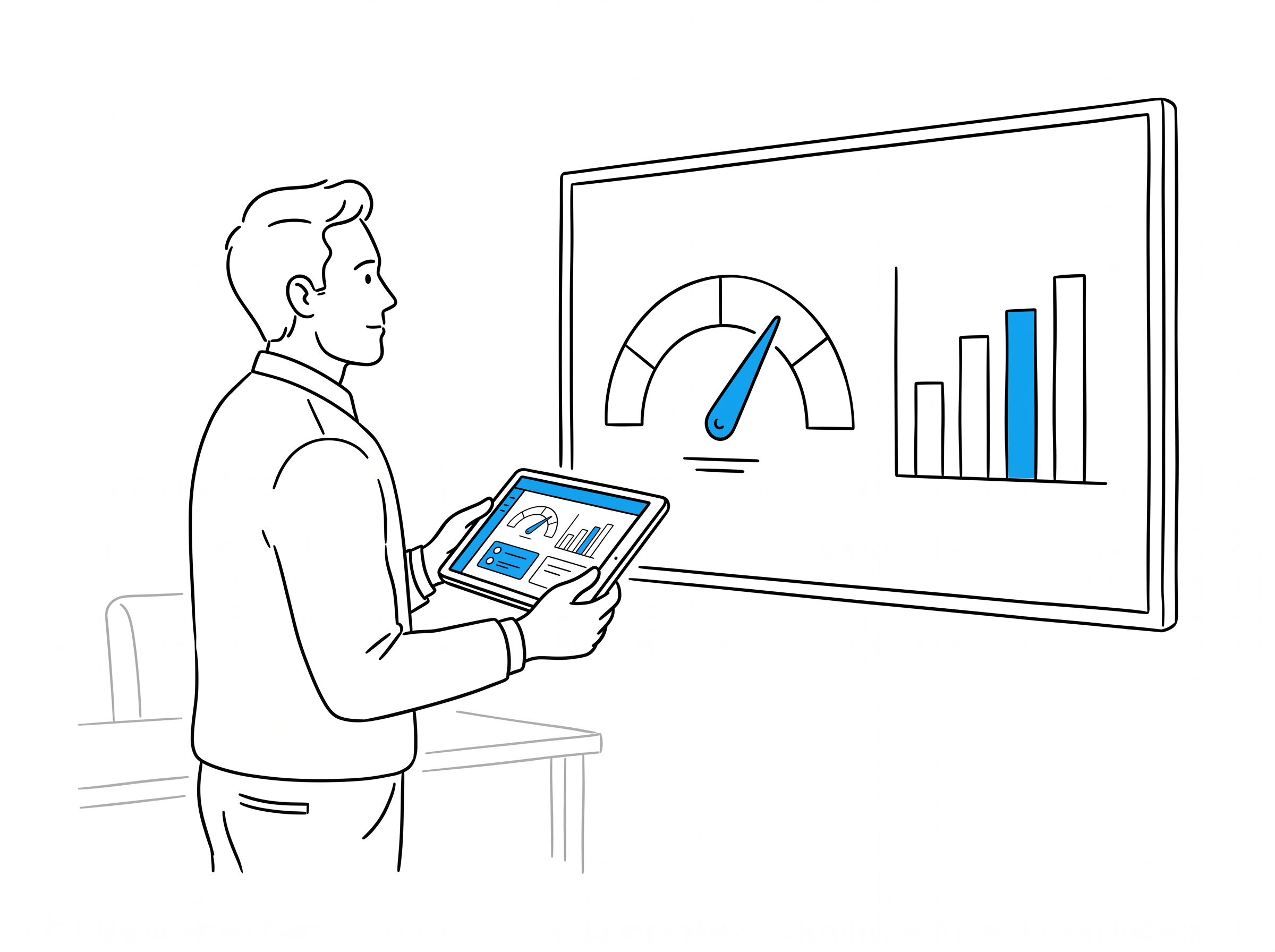
Vibe coding for consumer apps gets the headlines. Vibe business software is quieter: internal sales dashboards, ops trackers, onboarding checklists, lightweight CRMs — tools that exist purely to make an internal team faster, built by the team member closest to the pain, not by engineering. Search volume for "vibe coding" now runs around 135,000 monthly searches, and "AI business software" has climbed 152% year over year — both signals that this shift from consumer novelty to operational default is already underway.
A Real Vibe Business Software Win: The 8-Person Sales Dashboard
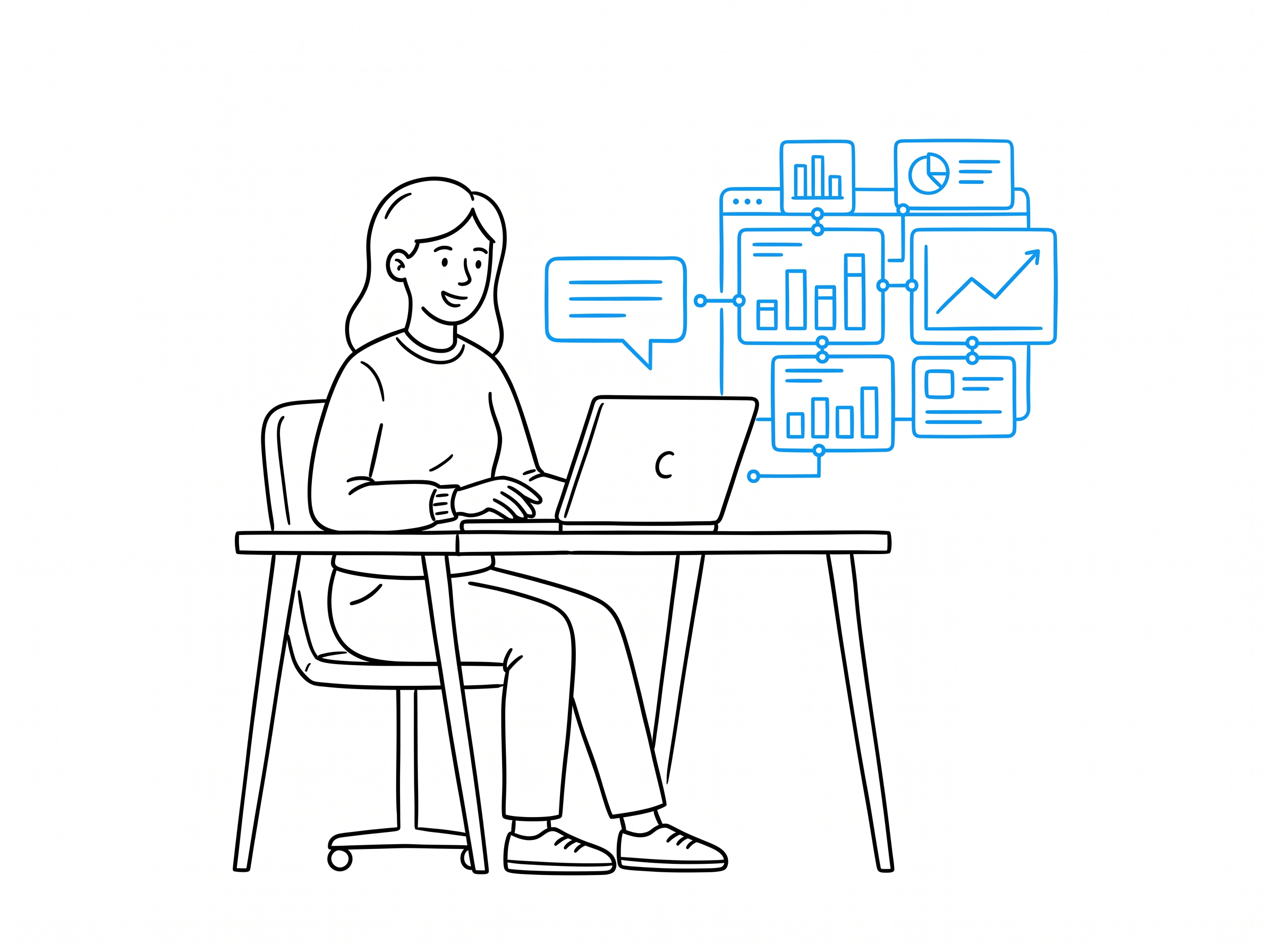
Fractional CTO Justin McKelvey documented a case that's become a reference point for what this looks like when it works. A B2B SaaS company's sales team was burning 10+ hours a week manually compiling data from Salesforce, spreadsheets, and email into a weekly report. A non-technical ops manager — not a developer — used Lovable to build a dashboard pulling directly from the existing APIs. Build time: two days. Result: the dashboard went into daily use by the entire 8-person sales team, permanently cutting that 10-hours-a-week manual compilation task. No engineering ticket, no sprint, no external vendor.
Manual Backlog vs. Vibe Business Software vs. Audited Vibe Business Software
| Approach | Time to Ship | Who Builds It | Main Risk |
|---|---|---|---|
| Traditional dev backlog request | 2-6 weeks | Engineering team | Opportunity cost while it waits in queue |
| Vibe-coded, unreviewed | Hours to days | Any team member | Security gaps, bad data assumptions |
| Vibe-coded + data-backed + audited | Hours to days | Any team member, with a review pass | Minimal — caught before launch |
Common Mistakes When You Vibe Code Business Software
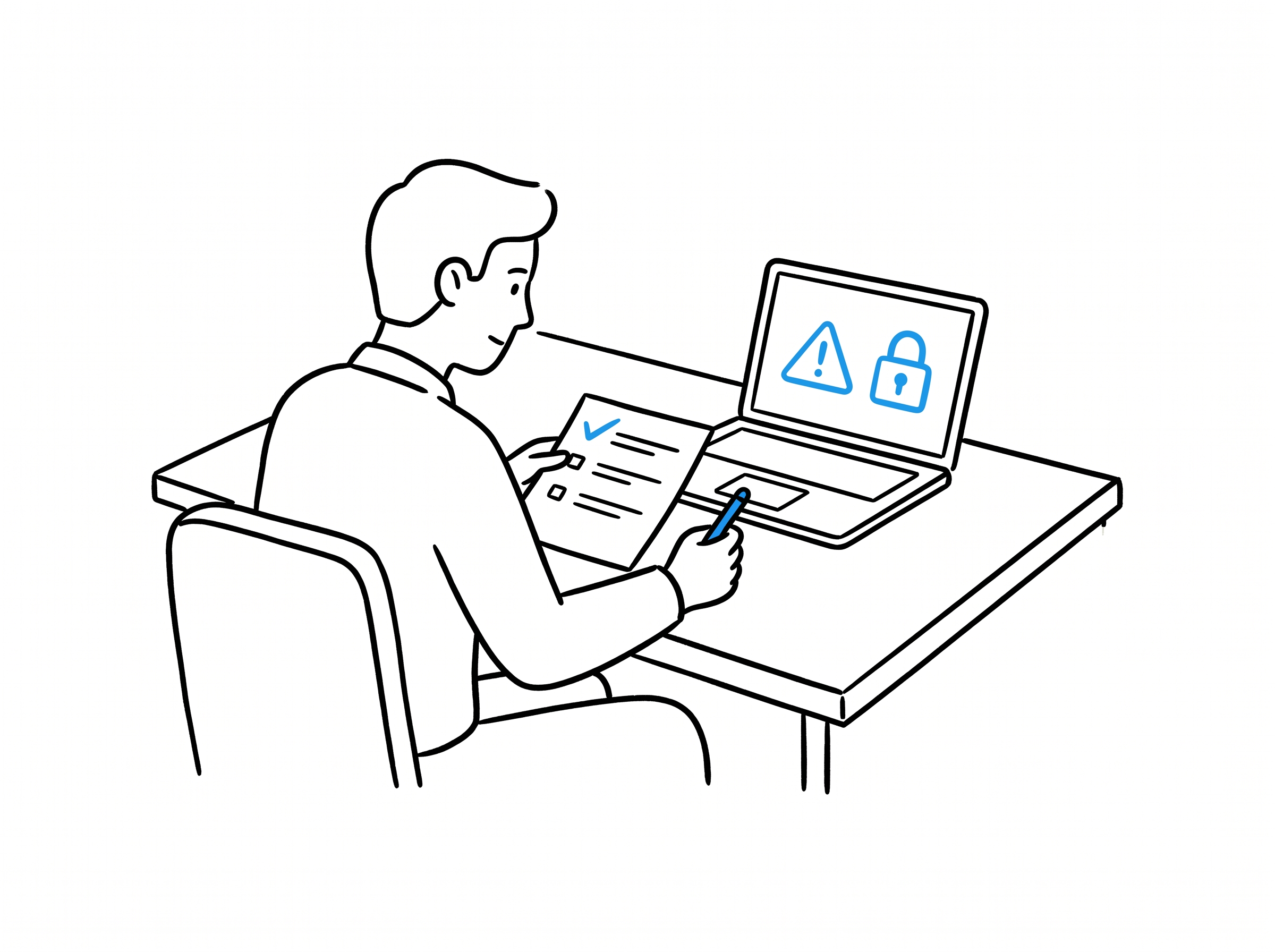
McKelvey's case files include the failures too, and they double as a pre-launch checklist:
- Hardcoded secrets. One e-commerce build shipped a live Stripe secret key exposed in client-side JavaScript — a $3,500 rescue.
- No concurrency checks. A Lovable booking app had a double-booking race condition that hit 8 clients in week one.
- Missing authorization checks. A Replit SaaS app let any logged-in user read any other customer's data across 47 endpoints.
- Unverified payment webhooks. A Cursor-built marketplace lost roughly 15% of $200,000+ in payments before anyone noticed.
- No load testing. A Bolt content platform crashed at 500 concurrent users because nobody tested past the demo.
Treat these as checklist items, not a reason to stop building.
Watch: What "10x" Vibe Coding Actually Looks Like
For a look at how experienced builders structure prompts and tool choice rather than improvising, Greg Isenberg's session on getting more out of Claude Code, Cursor, and MCP is a solid 30 minutes — 182,000 views and counting since it went up nine months ago.
The Bottom Line
Vibe business software isn't a shortcut around good data and good review — it's a shortcut around waiting for engineering capacity you don't have. Feed it real benchmarks with tools like Rank and the Growth Rate Calculator, audit anything customer-facing with the SEO/GEO Agent before it ships wide, and run the security checklist above before anyone outside your team touches it. For related workflows, see our breakdowns of AI content creation tools for startups, how to use AI agents for advertising, and how to use AI to optimize ad campaigns — the same guardrail-first approach applies whether the AI agent is managing your ad spend or building your sales dashboard.
References
- Concat Pro — Rank, Growth Rate Calculator, and SEO/GEO Agent
- Justin McKelvey — Vibe Coding Examples: 10 Real Apps, From a $500K Seed Round to a $15,000 Rescue
- TechCrunch — A Quarter of Startups in YC's Current Cohort Have Codebases That Are Almost Entirely AI-Generated; Greg Isenberg — Be a 10x Vibe Coder (Claude Code + Cursor + MCP) (YouTube)