Most ecommerce brands still treat lead generation as an afterthought. They run ads, drive traffic to a product page, and hope enough visitors buy on the first visit. They don't. Industry conversion rates for cold ecommerce traffic sit between 1-3%, which means 97%+ of every campaign's spend walks away with zero capture mechanism attached to it. No email, no phone number, no retargeting hook — just a bounce.
AI lead generation for ecommerce fixes this by turning anonymous traffic into owned contacts you can nurture: quizzes that qualify a shopper's needs, chatbots that capture intent in real time, and content that pulls in buyers already searching with commercial intent. The brands below didn't guess their way into results — they measured funnel drop-off, deployed AI at the exact friction point, and tracked the lift. Here's how the workflow actually works, with real numbers attached.
How Concat Pro Powers AI Lead Generation for Ecommerce
Before you deploy any lead-capture tool, you need to know who to reach and where they already have an audience. This is the step most teams skip, and it's why quizzes and chatbots underperform — they're bolted onto a funnel with no distribution behind it.
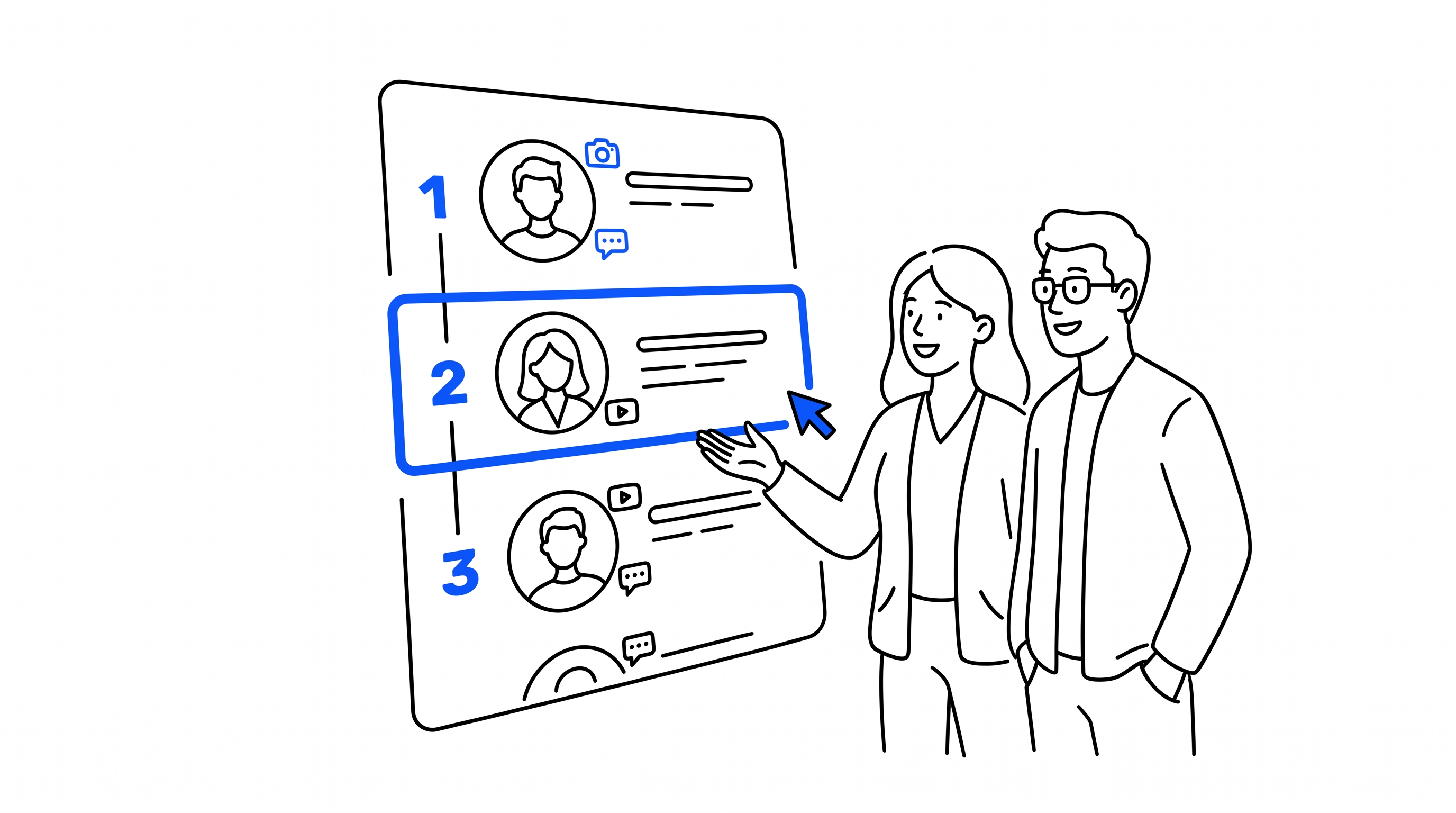
Concat Pro's Rank surfaces top influencers and channels across industries and platforms, giving you a starting point for creator research and helping you find relevant people to reach with your product. For ecommerce lead generation, that turns cold outreach into a targeted list: instead of guessing which accounts to pitch a quiz or promo-code partnership to, you start from creators already active in your category and build outreach around the ones with real audience overlap.
Once you know where the gap is, Concat Pro's SEO/GEO Agent generates and one-click publishes SEO- and GEO-optimized articles targeting the exact commercial-intent queries your prospects use before they convert, backed by a Content Opportunity report that flags which topics are worth the effort. For the paid side of the funnel, the Ad Agent generates ad creative — video, image, hooks, captions, and copy — from your brand identity and campaign goals, then publishes it and runs A/B and multivariate creative tests so you're not guessing which hook actually earns a click. Before committing budget to either channel, run the numbers through the Growth Rate Calculator or Conversion Rate Calculator to model what a 2-point lift in quiz completion or chatbot capture rate is actually worth in revenue.
Manual vs. AI Lead Generation for Ecommerce
| Manual approach | AI-driven approach | |
|---|---|---|
| Visitor qualification | Generic "sign up for 10% off" popup | Quiz branches by skin type, budget, use case — captures zero-party data |
| Response time | Email support, hours to days | Chatbot responds in seconds, 24/7 |
| Content targeting | Blog posts written on hunches | SEO/GEO Agent targets validated commercial-intent queries |
| Ad testing | One or two creative variants, gut-checked | Multivariate testing across dozens of hook/copy combinations |
| Creator outreach | Cold DMs based on guesswork | Rank surfaces ranked creators and channels by industry to target first |
Real Case Studies: What AI Lead Generation Actually Delivers
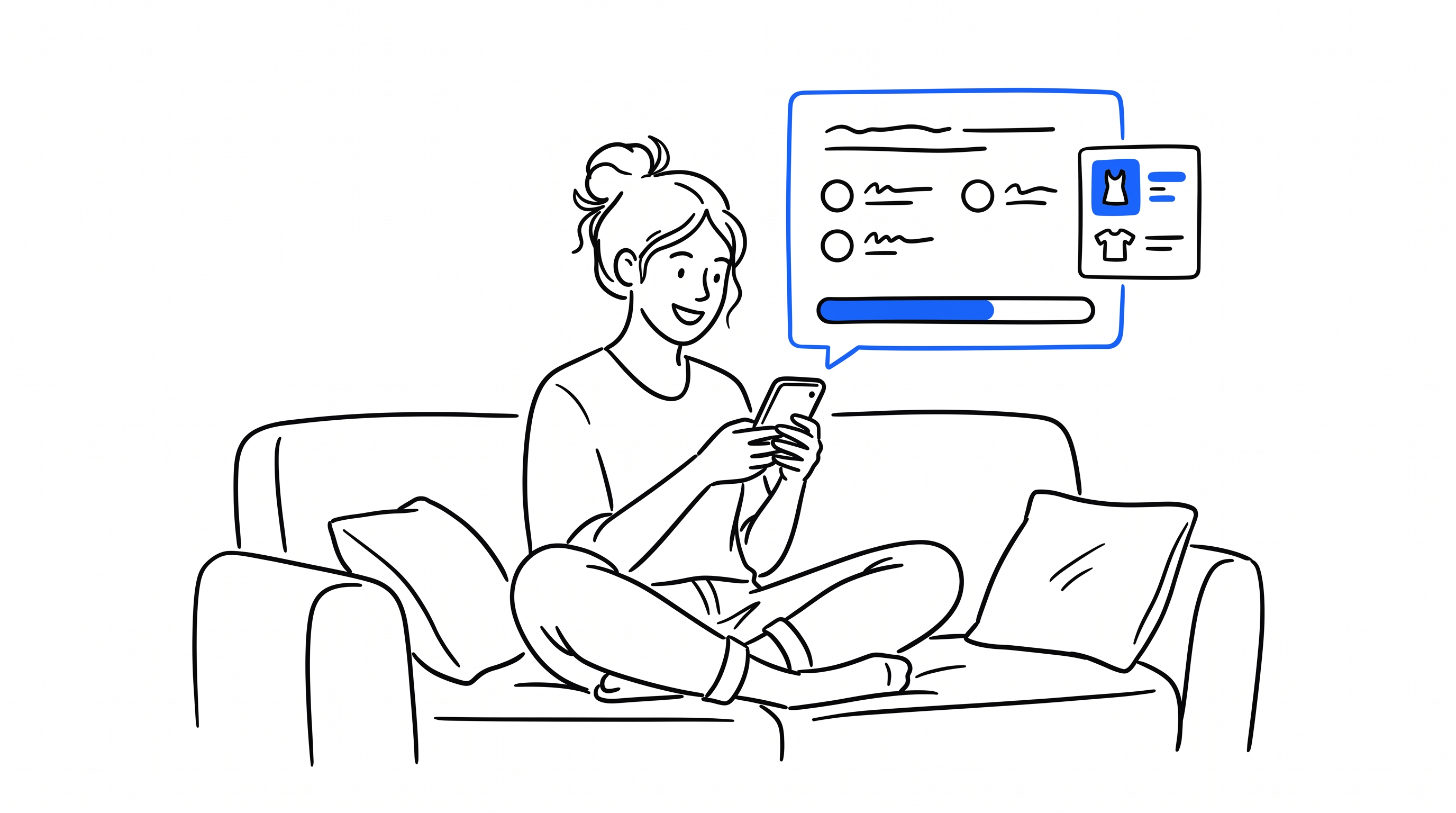
Geologie, a US skincare DTC brand, replaced its generic email popup with an AI-driven quiz (via Octane AI) that routes each shopper to personalized product recommendations based on their answers. The quiz hit an 81% start rate and a 90%+ completion rate — meaning almost everyone who started, finished, handing over usable zero-party data. That data fed personalized Klaviyo email and SMS flows, and shoppers who completed the quiz converted at 13%, a 50% lift over the 9% baseline conversion rate for non-quiz visitors. "We could finally understand where people were falling off, and then actually do something about it in minutes, not weeks," said Rick Brackett, Geologie's Head of Ecommerce.
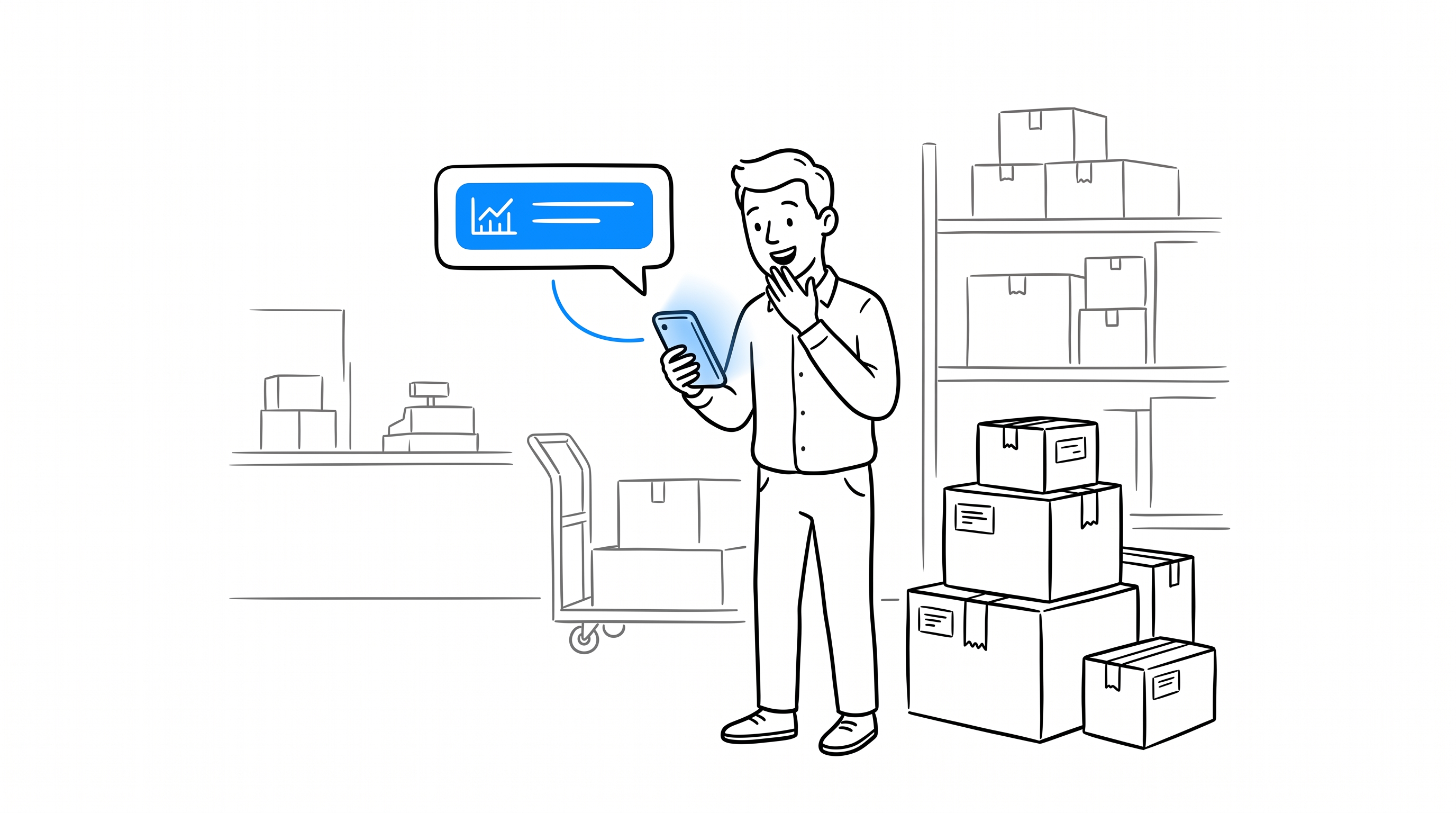
Procosmet, an Italian beauty ecommerce brand, deployed an AI chatbot (Tidio) to capture visitor intent and auto-subscribe qualified leads to its newsletter. Monthly leads jumped from a range of 10-30 to over 100 — a 5x increase — while email open rates on chatbot-sourced subscribers held at 18-22%. The knock-on effect: a 23% increase in overall sales and a 27% lift in conversion rate. "More than a third of our ecommerce revenue is made thanks to Tidio," said Gabriele Scarcella, the brand's ecommerce manager.
Both cases share a pattern: the AI tool didn't just automate an existing task, it captured a data point (quiz answers, chat intent) that the manual process was losing entirely.
For a broader breakdown of turning AI into a customer-acquisition engine, Dan Martell's How to Get So Many Customers With AI It Feels Illegal (352K views) walks through a five-phase AI-driven sales strategy for automating prospecting and lead qualification — the same logic that makes quizzes and chatbots outperform static popups.
Common Mistakes to Avoid
- Launching a chatbot with no follow-up flow. Capturing an email or chat intent is worthless if there's no email/SMS sequence behind it. Procosmet's lift came from the newsletter automation, not the chat window alone.
- Building a quiz with too many questions. Geologie's 90%+ completion rate depended on keeping the quiz short enough that 81% of visitors who started actually finished it. Every extra question is a drop-off point.
- Guessing which creators to pitch. Cold outreach with no targeting wastes budget on irrelevant audiences. Start from Rank's ranked list of creators and channels active in your category before building a quiz or promo-code partnership around them.
- Testing one ad creative and calling it done. A single hook rarely wins; multivariate testing surfaces the combination that actually converts.
- Never modeling the payoff. Run the projected lift through a calculator before greenlighting a project — teams that skip this step routinely under-invest in the highest-ROI channel.
Putting It Together
AI lead generation for ecommerce works when it's sequenced correctly: identify the right creators and channels first, then deploy capture mechanisms that collect real qualification data, then follow up automatically. For related workflows, see how AI supports ecommerce customer acquisition, how AI social media marketing for ecommerce feeds the same top-of-funnel, and how ecommerce marketing automation connects lead capture to the nurture sequence that actually closes the sale.