Manual merchandising rules -- "show bestsellers," "cross-sell by category" -- cap ecommerce revenue at whatever a human merchandiser can manually configure. Shoppers browsing a 50,000-SKU catalog see the same "related products" rail as everyone else, regardless of what they just clicked, searched, or abandoned in their cart. That's the gap AI product recommendations for ecommerce close: systems that re-rank every product grid, search result, and cart offer per visitor, in real time, using their actual behavior instead of a merchandiser's best guess.
The upside is not theoretical. IBM's research cites that roughly 35% of Amazon's revenue comes from its recommendation engine, and Netflix estimates its recommender saves the company more than $1 billion annually in retention it would otherwise lose. Below: how these systems work, two real growth cases with hard numbers, a manual-vs-AI comparison, a 3-phase rollout, and where Concat Pro fits if personalization is only one piece of your growth stack.
Where Concat Pro Fits in Your AI Product Recommendations for Ecommerce Stack
Concat Pro doesn't build the recommendation engine that reshuffles your product grid -- that's a job for dedicated AI search and merchandising platforms. What Concat Pro solves is the growth-ops layer around it, using only capabilities the product actually ships:
- Prove the lift before you commit budget. The Growth Rate Calculator and Conversion Rate Calculator let you model expected conversion and revenue impact against your current baseline before signing a personalization vendor contract, and verify the real lift afterward instead of guessing from an overall revenue trend.
- Keep personalized pages crawlable and citable. Real-time re-ranked product grids and AI-generated recommendation copy can hide content from search bots if rendered client-side without fallbacks. The SEO/GEO Agent audits whether your personalized PDPs are still indexed by Google and cited by AI answer engines, not just rendered correctly for human eyes.
- Catch what personalization widgets break. The Website Agent crawls your live storefront for the page-speed and rendering regressions that recommendation widgets commonly introduce -- a slow "customers also bought" carousel that tanks Core Web Vitals cancels out the conversion gain it was meant to create.
- See which content is already sending buyers to those pages. Rank tracks which SEO/GEO content and creator placements are driving the traffic that lands on your personalized product pages in the first place, so the personalization budget goes toward the traffic sources that convert.
Put simply: the recommendation engine changes what a shopper sees. Concat Pro proves whether that change is actually working and makes sure the traffic feeding it doesn't dry up.
How AI Recommendation Engines Actually Work
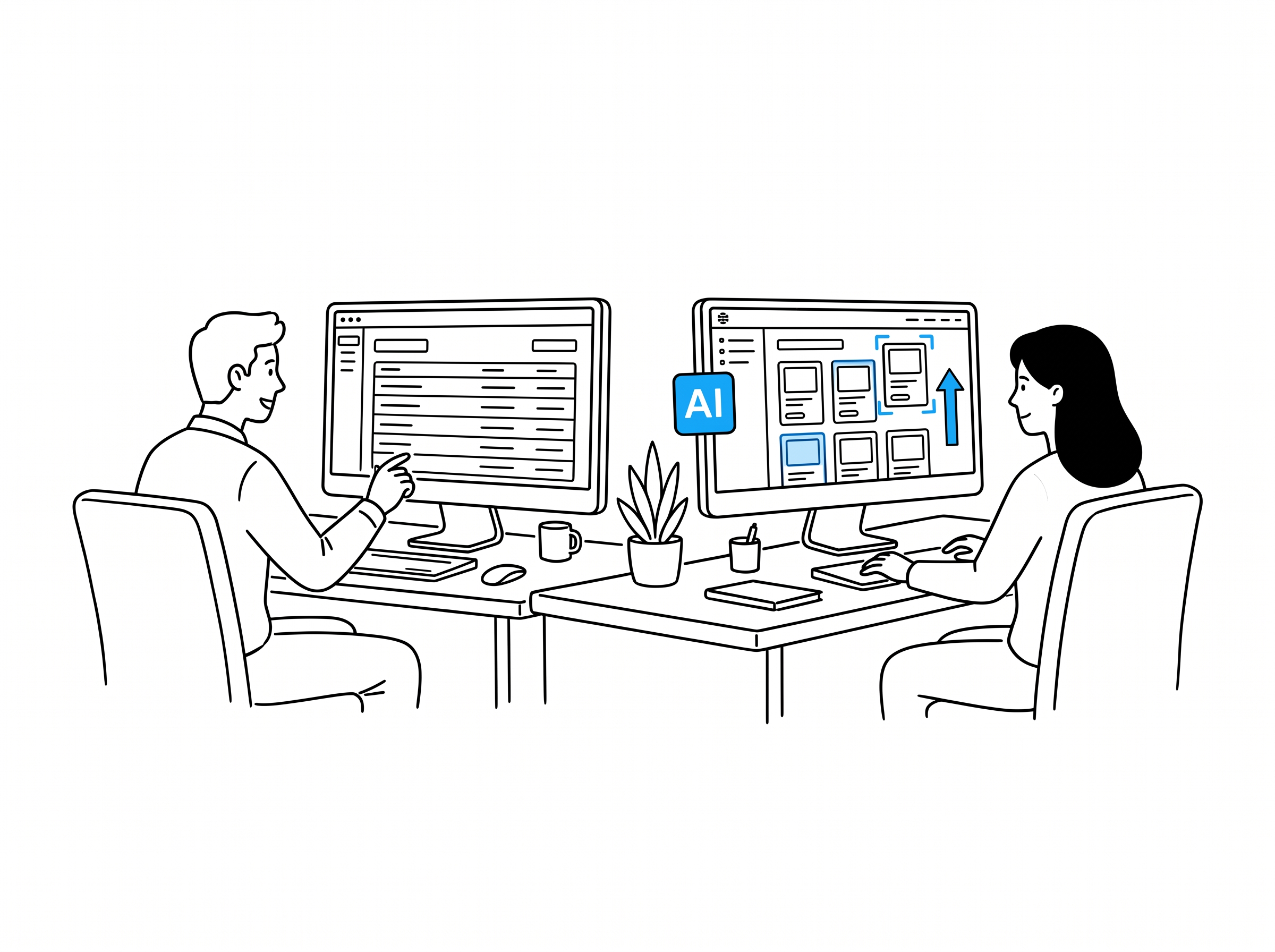
Most systems run five phases: gather explicit data (ratings, likes) and implicit data (clicks, cart events, browsing history); store it in a data warehouse or lakehouse; analyze it with machine learning to detect behavioral patterns; filter down to the most relevant items; then refine continuously as new interactions arrive. Collaborative filtering recommends based on what similar users bought; content-based filtering recommends based on item attributes; most production systems -- Netflix included -- run a hybrid of both. IBM Technology's explainer below walks through the mechanics in under 15 minutes:
Manual Merchandising vs. AI-Driven Recommendations
| Task | Manual Approach | AI-Driven Approach |
|---|---|---|
| Product grid ranking | Fixed "bestsellers" or "new arrivals" rule | Re-ranks per visitor based on real-time behavior |
| Cross-sell / upsell | Static "customers also bought" list | Cart-aware, inventory-aware dynamic offers |
| Catalog scale | Breaks down past a few thousand SKUs | Holds up across 600,000+ SKUs |
| Time to update rules | Manual merchandiser edits, days to ship | Continuous, automatic re-ranking |
| Proving impact | Guessed from overall revenue trend | Segment-level lift measured against a control |
Real Growth Cases
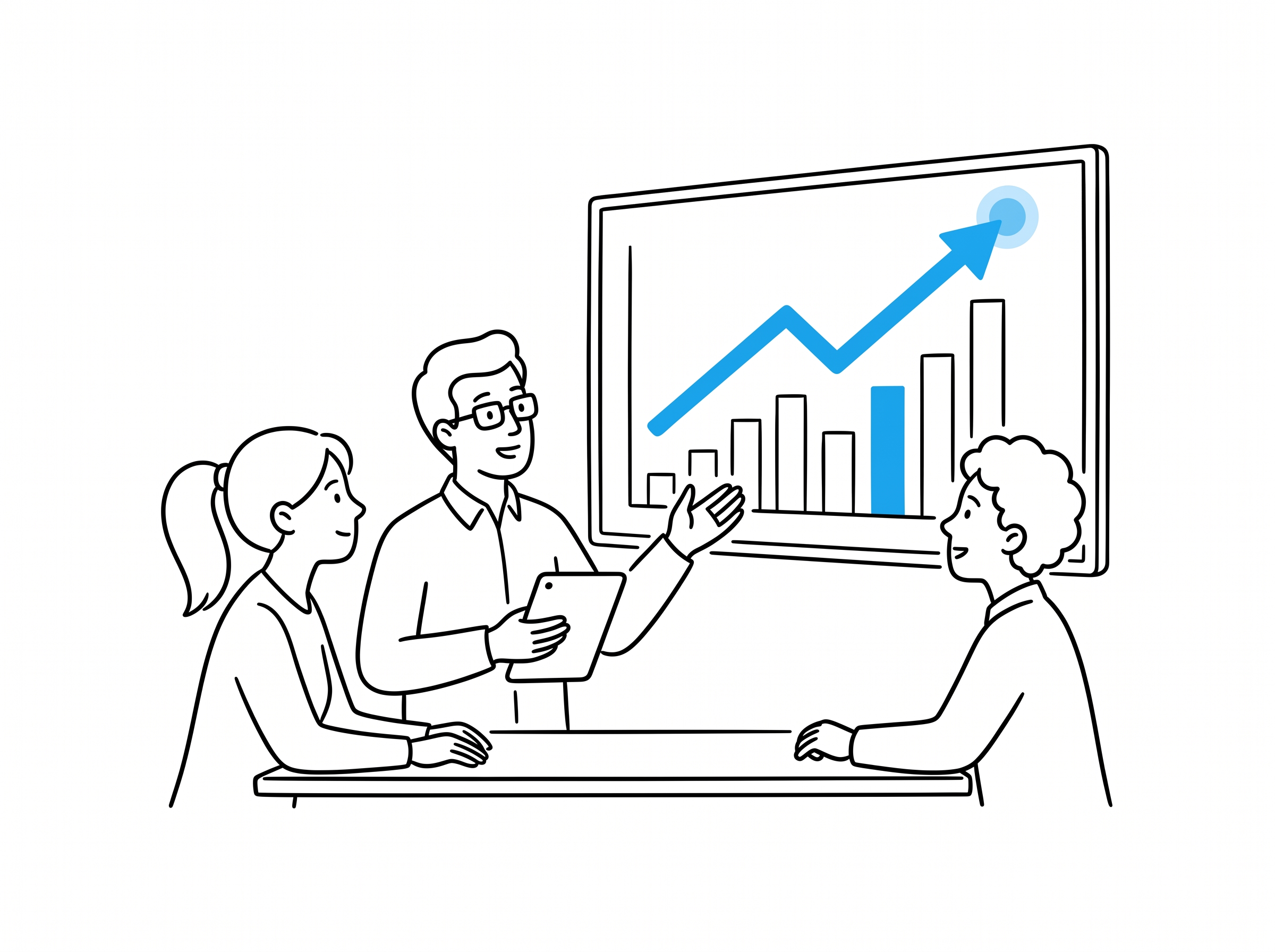
Caleres (parent of Famous Footwear, Naturalizer, and Sam Edelman) runs Coveo's AI across a catalog of more than 600,000 SKUs on 13 websites. After deploying AI-driven search and recommendations, Caleres reported a 21% year-over-year increase in revenue and a 25% increase in conversion rate -- a complex multi-brand catalog that manual merchandising rules could not keep pace with.
Freedom Furniture, a leading Australian and New Zealand retailer, adopted Coveo AI to reimagine product discovery across its catalog. The retailer measured a 5.5% increase in average order value within the first 30 days of going live -- evidence that recommendation lift can show up fast, not just after a long optimization cycle.

3-Phase Rollout
- Audit and unify data. Order history, browsing behavior, and catalog metadata need to sit in one place before any recommendation model can rank products accurately.
- Launch one surface. Ship a single high-visibility surface -- PDP recommendations or search re-ranking -- and let it run for at least two weeks before adding a second.
- Measure against a control, then scale. Hold back a segment, compare conversion and AOV lift, and only expand spend once the calculator-modeled lift matches what actually happened.
Common Mistakes
- Deploying recommendations before unifying customer data, so the model guesses from partial signals.
- Launching every surface (grid, search, cart, email) at once, making it impossible to attribute which change drove the lift.
- Skipping a control group, so "it feels better" replaces an actual conversion number.
- Ignoring crawlability -- client-side-rendered recommendation content that hides product data from search and AI crawlers.
- Never re-running the Growth Rate Calculator after launch to confirm the modeled lift matched reality.
Where to Go Next
For a deeper dive into personalization apps built specifically for Shopify, see Best Shopify Live Personalization App for 2026. To build the acquisition-side measurement habit before you scale any recommendation spend, read Growth Analytics Tools for Startups. Start by running your current numbers through the Growth Rate Calculator, then check Rank to see which content is already sending buyers to your product pages.
References
- Concat Pro -- Rank, Growth Rate Calculator, Conversion Rate Calculator, SEO/GEO Agent, and Website Agent
- Coveo -- Caleres Customer Story: AI Search Boosts Revenue by 21% and Leading Brands Use Coveo AI to Transform their Ecommerce Product Discovery (Freedom Furniture AOV data)
- IBM Technology -- What is an AI Recommendation Engine?