OpenAI shipped GPT-6 Astra on September 3, 2026, calling it "the most intelligent and aligned model in the world." Astra doesn't just answer questions — it browses, uses a computer, and completes long-running agentic tasks across professions and desktop apps. For growth teams, that single fact changes the AI search optimization playbook: the model reading your site to answer a user's question is now the same model that can act on it. If your content isn't structured for a model that browses like a user and reasons like an analyst, GPT-6 Astra GEO is a gap you're already behind on.
How Concat Pro Fits Into GPT-6 Astra GEO
The practical problem GPT-6 Astra creates is visibility drift: a model this capable will pull from different sources, weight different signals, and cite differently than the AI engines your team already tracks. You can't fix a gap you can't see, so the first move is measurement, not more content.
Concat Pro's Rank tracks classic keyword position and AI citation share in the same dashboard — so when a new model like Astra starts powering ChatGPT search and agentic browsing, you see whether your pages are still getting cited alongside your Google rankings, instead of finding out three months late from a traffic dip. Once you know where the gaps are, Concat Pro's Growth Rate Calculator turns a before/after AI-referral number into a real trajectory, so you can tell a genuine GEO lift from a one-week spike tied to launch-week novelty. Concat Pro's SEO/GEO Agent then drafts the entity-first, schema-friendly content that structures your pages the way answer engines actually extract from — the same structural work behind every real case in this article.

Why GPT-6 Astra Changes AI Search Optimization
Astra's headline capabilities — state-of-the-art computer-use benchmarks, top-tier coding performance, and reduced deceptive behavior — matter for GEO because agentic models don't just summarize a page once. They browse it, cross-reference it, and act on it inside multi-step tasks. That means:
- Agentic browsing rewards structure over volume. A model completing a task reads for the specific fact it needs, not the whole page. Direct-answer paragraphs and clear headers get used; buried claims don't.
- Alignment improvements raise the bar on sourcing. OpenAI says Astra reduces deceptive behavior — which means it's more likely to favor content with named sources and verifiable claims over vague, unsourced copy.
- Computer-use tasks blur SEO and product UX. If Astra can complete a checkout or comparison task on your site, your page structure is now part of the AI's success rate, not just a ranking factor.
Real GEO Growth Data: What AI Search Optimization Actually Delivers
Most GEO advice is theoretical. Mintec tracked six months of real AI-search traffic across its own site and client properties and published the numbers in July 2026. One client — a B2B SaaS company starting from zero — added FAQ schema across 40 product and comparison pages, wrote citation-focused introductions that answered likely queries directly, and built a structured glossary of industry terms. After six months, that client saw 60–80 monthly sessions from AI referrals, about 3% of total organic traffic — small in raw volume, but those visitors converted at nearly 5x the rate of Google organic traffic, because they arrived pre-sold by the AI's recommendation.
The pattern holds industry-wide: Ahrefs' broader analysis found AI-referred traffic converts at a roughly 24:1 ratio against its tiny share of total visits. GEO isn't a traffic play — it's a trust play, and a new, more capable model like Astra only raises the ceiling on how much that trust is worth.

Manual SEO vs. AI Search Optimization for GPT-6 Astra
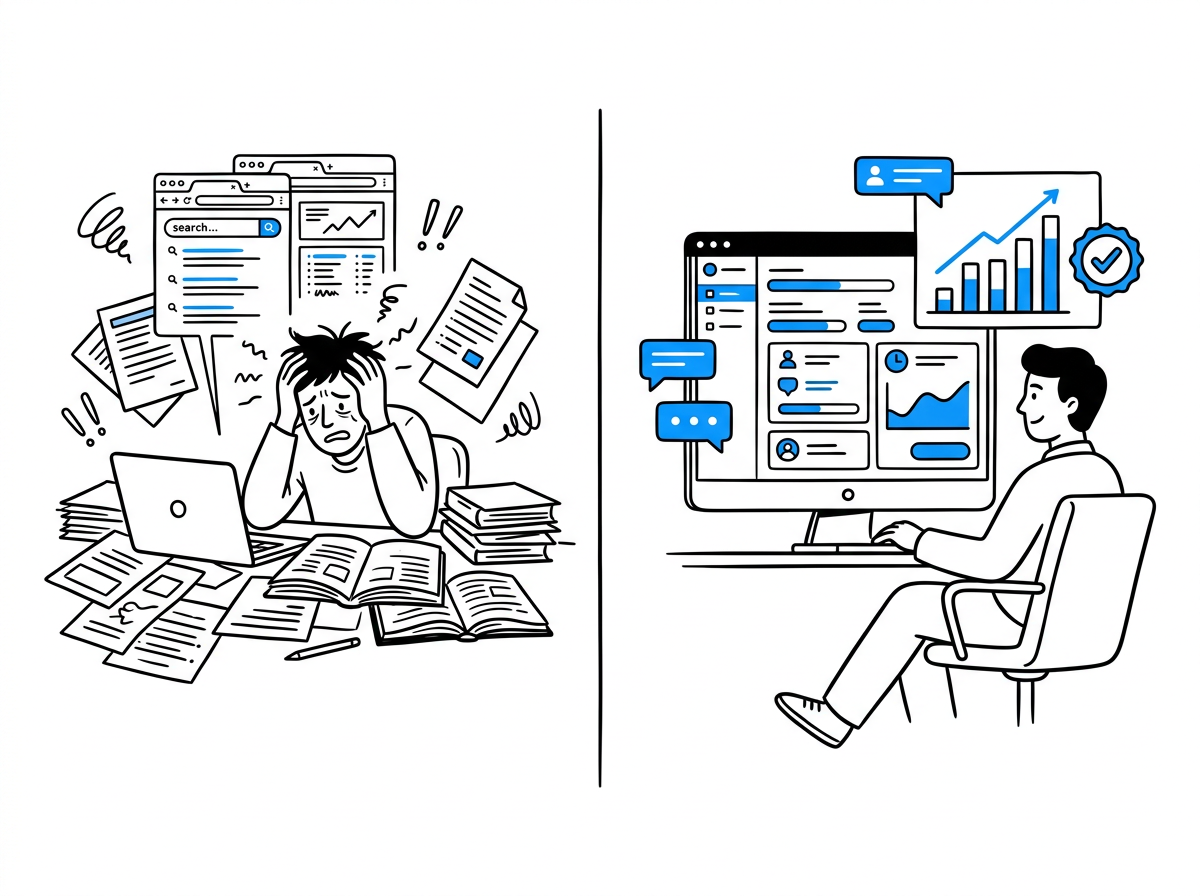
| Task | Manual Approach | AI Search Optimization (Concat Pro) |
|---|---|---|
| Tracking AI citation across engines | Manually query ChatGPT, Perplexity, AI Overviews per keyword | Rank tracks citation share and rank position together |
| Structuring content for agentic extraction | Rewrite by feel, no feedback loop | SEO/GEO Agent drafts entity-first, schema-ready sections |
| Proving a GEO lift is real | Eyeball a traffic bump | Growth Rate Calculator models trend vs. noise |
| Reacting to a new model launch (like Astra) | Wait for a quarterly audit | Re-run Rank the week of launch to catch citation drift early |
A Checklist for GPT-6 Astra GEO Readiness
- Re-run your top 20 buyer queries through ChatGPT and Google AI Mode now that Astra is rolling out — log who gets cited.
- Add FAQPage and Article schema to any high-traffic page still missing it.
- Rewrite intros so the first 100 words directly answer the primary query — agentic models extract from the top first.
- Add named sources and specific data to any page relying on vague claims like "studies show."
- Baseline your current AI-referral sessions and conversion rate before assuming Astra moved the needle.
Common Mistakes in GPT-6 Astra AI Search Optimization
- Assuming one AI-visibility audit covers every model. Astra's agentic browsing behavior differs from prior chat-only models — re-check citation sources, don't assume last quarter's audit still holds.
- Chasing raw AI traffic instead of conversion quality. Mintec's data shows small AI-referral volume with 5x conversion beats a bigger, colder organic number.
- Skipping schema because "it didn't help SEO rankings." FAQ schema was deprecated for rich snippets but still feeds AI citation pipelines directly.
- Publishing more content instead of restructuring what exists. Agentic models reward extractable structure, not word count.
- No baseline before a model launch. Without a before/after number, you can't prove whether Astra's rollout helped or hurt your citation rate.
Watch: What GPT-6 Astra Actually Does
For the full picture of Astra's computer-use and agentic capabilities straight from OpenAI, this is the official launch video:
The Bottom Line
GPT-6 Astra's agentic browsing and computer-use ability aren't a novelty — they're a preview of how AI search optimization keeps shifting toward structure, sourcing, and measurable citation, not just rank. The teams that re-audit their AI visibility the week a model like this ships, not the quarter after, are the ones who catch citation drift before it costs revenue. Start with a Rank audit, baseline your current numbers with the Growth Rate Calculator, and build content the way Mintec's data shows actually earns AI citation: direct answers, real schema, and named sources.
For deeper GEO tooling comparisons and measurement frameworks, see Concat Pro's breakdowns on Profound alternatives for GEO, how Search Console's AI reports affect GEO, and the best AI search tools of 2026.
References
- Concat Pro — Rank and Growth Rate Calculator
- Mintec — What GEO Traffic Actually Looks Like: 6 Months of Real Data from AI Search Optimization
- OpenAI — Introducing GPT-6 Astra: the most intelligent and aligned model in the world (YouTube)