Most teams copy-pasted their old ChatGPT SEO prompts into GPT-6 Astra the week it shipped, got a flatter, less useful answer, and concluded the model was worse at SEO. It isn't worse. It just stopped rewarding the prompting habits that worked on every model before it — long context dumps, "please act as an expert," and paragraph after paragraph of instructions Astra now mostly ignores.
OpenAI's own developer guide for Astra, published alongside the model on September 3, confirms why: Astra takes more initiative by default, needs a defined "finish line" instead of open-ended asks, and actively suppresses a list of AI "slop" words and habits — filler transitions, hedge-everything phrasing, restating the question before answering it. If your GPT-6 Astra SEO prompts still read like a brief written for a junior copywriter, you're fighting the model's own defaults instead of using them.
Where Concat Pro Fits Into Your GPT-6 Astra SEO Prompts Workflow
The fastest way to feel this shift is to hand Astra a real, narrow SEO task and see how much of your usual prompt scaffolding becomes unnecessary. Concat Pro's SEO/GEO Agent already does the part of this that's tedious to prompt for by hand: it generates SEO-friendly, AI-answer-ready articles matched to your product, audience, keywords, and brand positioning, then publishes in one click, so your GPT-6 Astra SEO prompts can focus on judgment calls — which angle to take, which data point to lead with — instead of re-explaining your brand voice in every session. Its AI Search Visibility Report also checks whether your brand's mentions, entity signals, and content are actually surfacing in LLM answers, which is the real test of whether a well-prompted Astra draft is working.
Two more tools support the research that should happen before you write a single prompt. Rank surfaces the top creators and channels by platform and niche, a fast way to see which voices already shape the conversation in your category before you ask Astra to write about it. And once a rewritten page starts pulling traffic, the Growth Rate Calculator turns last month's number against this month's into a plain growth rate or CAGR, so "the new prompts are working" becomes a figure you can put in a report.

The 6-Part Structure Behind Every Good GPT-6 Astra SEO Prompt
OpenAI's guide breaks effective prompting into six parts. Applied to SEO work, they look like this:
- Define the finish line. Not "write about X" but "produce a 900-word comparison page ready to publish, targeting keyword Y." Astra plans backward from a concrete deliverable.
- Hand it source-of-truth evidence. Paste your actual search-console data, competitor URLs, or product facts. Astra weights evidence you provide over its own assumptions — vague prompts get vague, occasionally invented, specifics back.
- Say what it can decide on its own. Tell it explicitly it can choose the headline structure, pick which stat to lead with, or skip a section if the evidence doesn't support it. Astra takes more initiative when you grant it, and stalls waiting for permission when you don't.
- Specify the output contract. Word count, heading levels, table format, whether you want markdown or plain text. Astra follows structural constraints closely, so stating them once saves a revision pass.
- Name what to avoid. OpenAI's own blocklist flags words like "delve," "foster," "leverage," and "unlock," plus the habit of restating the prompt before answering. Add your brand's banned words to the same instruction.
- Invite a check on its own work. A closing line like "flag anything in this draft you're not confident is accurate" surfaces the one or two claims Astra is least sure about, instead of you finding them after publishing.
A Real GPT-6 Astra SEO Prompt System in Production
SEO practitioner Julian Goldie has documented an agentic setup built on GPT-6 Astra since launch week: prompts that pull keyword gaps from Search Console data, draft content against those gaps, and publish with light editing. In one dated post, a site running this system grew from zero to over 42 clicks per day; a later post cited another site at 423 clicks per day on the same loop. Treat those as self-reported numbers, not a controlled study — but they're a real, dated example of narrow, evidence-fed prompts beating one giant "write me an SEO strategy" prompt.
Watch: The Content Structure Astra-Era AI Search Rewards
Prompting Astra well only pays off if the output is shaped for how AI systems actually read and cite content. Ahrefs' Learn 80% of AEO in 19 Minutes (published July 29, 2026, 53,000+ views) breaks down the same structural habits OpenAI's guide rewards internally — front-loaded answers, atomic sections, entity-rich writing — which is exactly the output contract worth specifying in your prompts.
Manual Prompting vs. a Structured GPT-6 Astra SEO Prompt System
| Task | Manual, Unstructured Prompting | Structured GPT-6 Astra SEO Prompts |
|---|---|---|
| Brief | One long paragraph re-explained each session | Reusable finish-line + evidence + output-contract template |
| Data | Astra guesses or invents specifics | Search-console data and competitor URLs pasted in directly |
| Voice | Re-describing brand tone every time | SEO/GEO Agent holds brand positioning across drafts |
| Word choice | Slop words slip through unnoticed | Blocklist named explicitly in the prompt |
| Proof of impact | "Traffic feels better" | Growth Rate Calculator turns before/after into a real number |
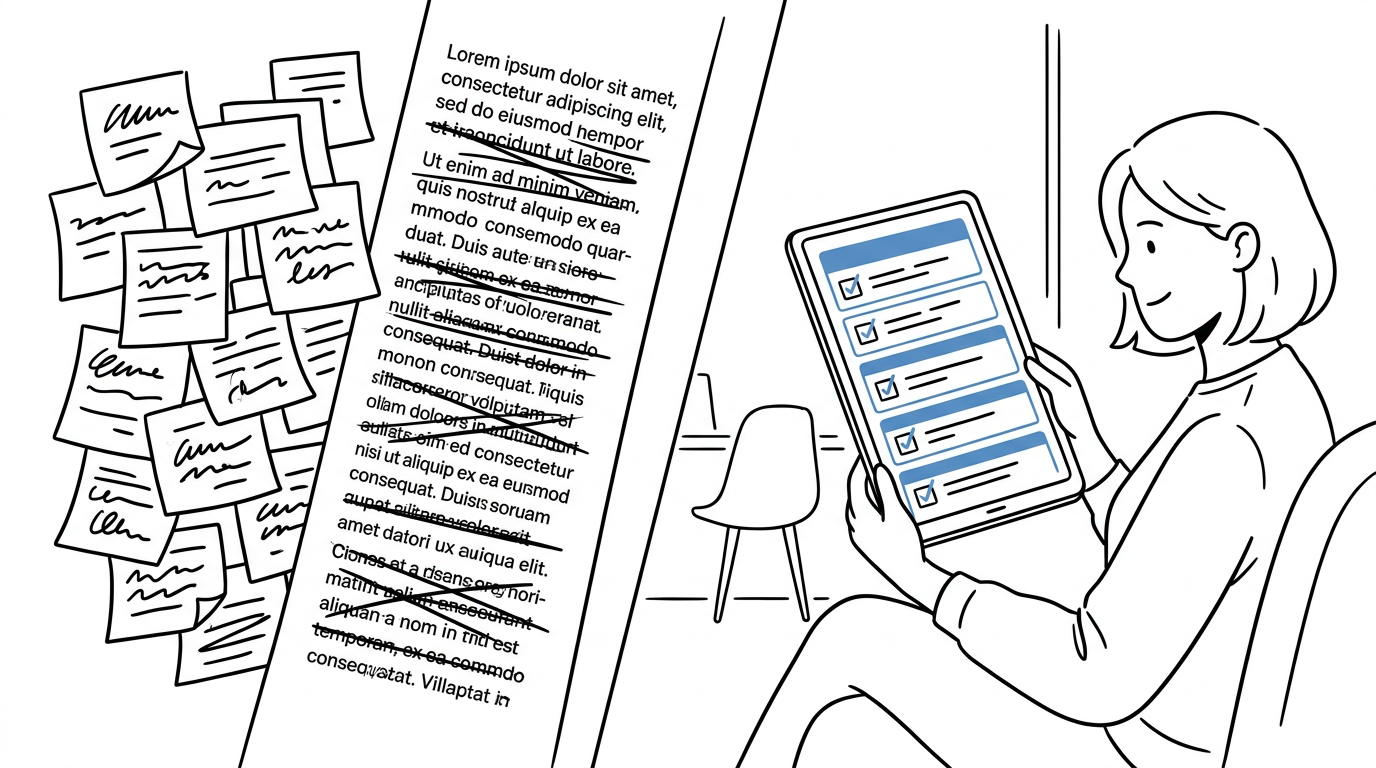
Common Mistakes With GPT-6 Astra SEO Prompts
- Reusing pre-Astra prompts unchanged. The model's defaults shifted; a prompt tuned for the last release now under- or over-specifies.
- Skipping the evidence. Asking Astra to "write about our product's SEO benefits" with no data invites it to fill gaps with plausible-sounding, unverified claims.
- Never naming an output contract. Without word count and structure limits, you'll spend more time reformatting than writing the original brief would have taken.
- Ignoring the slop blocklist. If your published content still reads like generic AI copy, the fix is usually a missing constraint, not a worse model.
Bottom Line
GPT-6 Astra rewards short, evidence-fed, structurally explicit prompts over long, vague ones. Give it a finish line, real data, permission to decide the small things, and a named list of words to avoid, and the output needs far less editing. Pair that discipline with tools built for the research and measurement side — Rank for competitive context, the SEO/GEO Agent for on-brand drafts, the Growth Rate Calculator for proof — and your GPT-6 Astra SEO prompts stop being trial and error.
For more on how the same model shift affects AI-answer citations rather than prompting mechanics, see our breakdown of GPT-6 Astra SEO citation data. For adjacent AI-SEO workflows, see AI SEO for ecommerce and what actually works in budget SEO.
References
- Concat Pro — SEO/GEO Agent, Rank, Growth Rate Calculator
- OpenAI — GPT-6 Astra Prompting Guide, via The Decoder
- Ahrefs — Learn 80% of AEO in 19 Minutes (YouTube)