"How much does vibe business cost?" sounds like a simple question until you try to answer it with a real number. Ask five founders and you get five different bills — because a vibe business (a product built and run mostly by prompting AI tools instead of hiring a dev team) can cost $80 a month or $50,000, depending entirely on what happens after the demo works. The starting price on a tool's pricing page is never the total. This piece uses two verified, itemized founder case studies to show what the real bill looks like at each stage, and where a tool like Concat Pro fits once you're past the "does anyone want this" question and into "is this growth or noise."
How Much Does Vibe Business Cost Once You Ship? Where Concat Pro Fits
Before you spend a dollar on ads or outreach, the cheapest test of a freshly vibe-coded product is finding people who already talk to your exact audience. Concat Pro's Rank surfaces top influencers and channels across YouTube, Instagram, TikTok, and X by niche — a starting point for creator research that lets a solo founder identify a handful of relevant creators to pitch for a review or a mention instead of paying for a launch campaign. That keeps customer acquisition inside the same low-cost logic that made the build cheap in the first place.
Once early users show up, the next real cost question is whether the business is actually growing or just had a good week. Concat Pro's Growth Rate Calculator takes a start value and an end value over a chosen period and returns a straightforward growth rate or CAGR. Feed it a case study's raw numbers — say, revenue from month zero to month one — and you get a defensible percentage instead of a gut feeling, which is exactly the kind of evidence that should decide whether you keep paying the monthly tool bill or shut it down.
The Three Cost Tiers of a Vibe Business
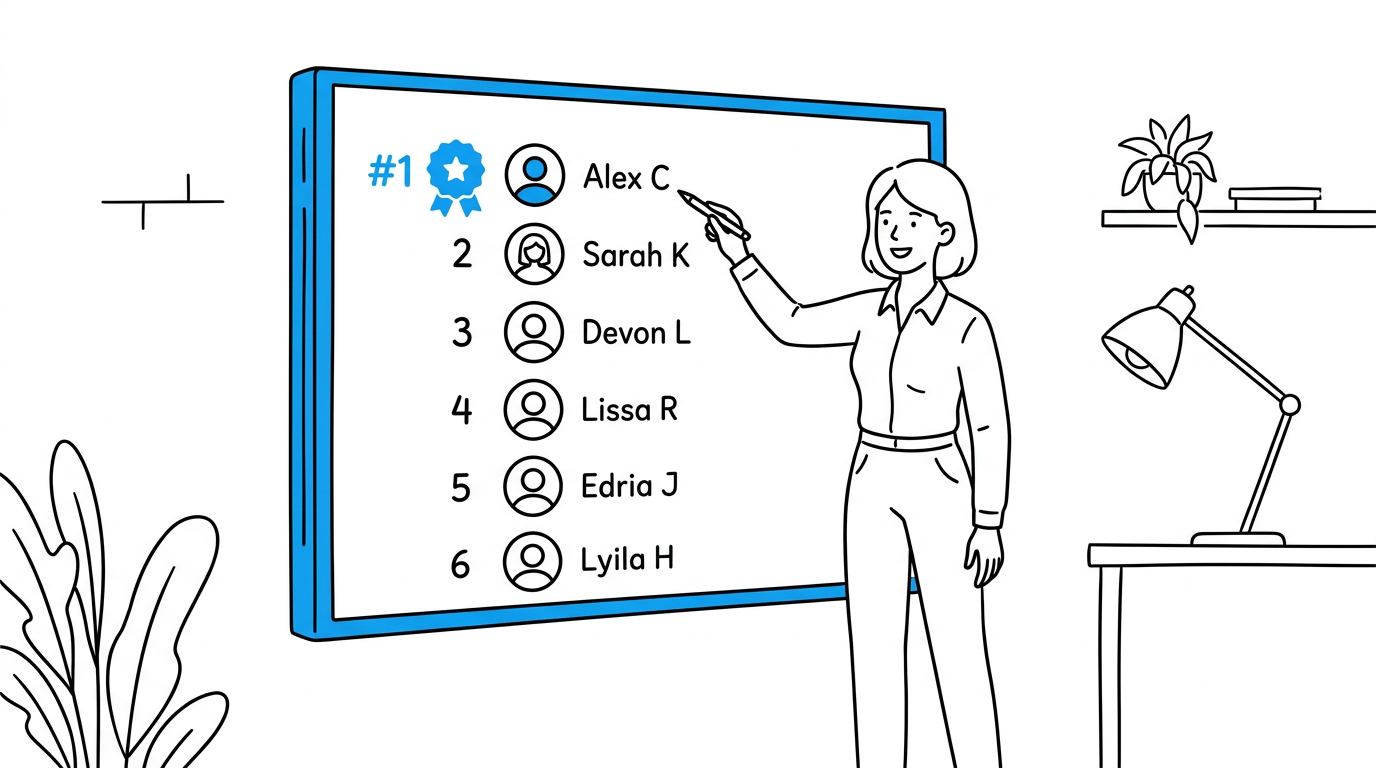
Every vibe business lands in one of three cost bands, and the jump between them is usually triggered by real users showing up, not by ambition.
| Tier | What you're paying for | Typical monthly range | One-time extras |
|---|---|---|---|
| DIY experiment | One AI coding tool subscription (Cursor, Lovable, Bolt.new, or Replit, each roughly $20–$29/month), plus token overages | $20–$130 total | Rarely any — you stop before you need them |
| Working micro-SaaS | AI assistant, database, hosting, domain, and an email/notification service running together | ~$80/month | $150–$500 for the first performance fix or security audit |
| Professional MVP | An agency or contractor builds and hardens the product for you | N/A | $15,000–$50,000+, per industry cost breakdowns from firms like Phaedra Solutions |
The jump from tier one to tier two is the one that actually determines how much your vibe business costs, because it's the point where "it works on my laptop" becomes "it needs to survive real traffic."
Two Founders, Two Very Different Bills
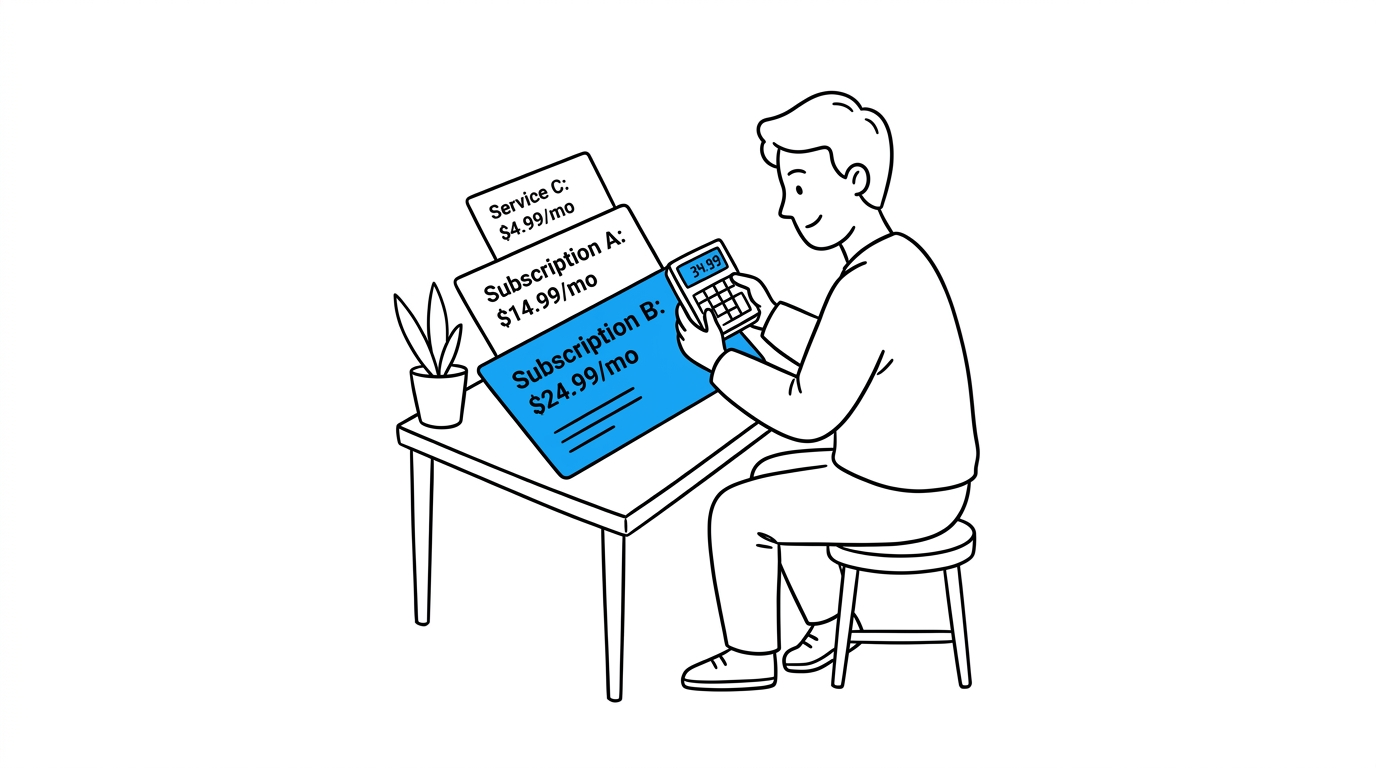
Renjit Philip spent 30 days vibe-coding a financial-planning MVP for founders using Replit and documented every charge. Week one cost him $34 in credits; week two, $93; 30 days in, he'd burned $127 total, hit 73 rollbacks, converted 12 signups into 3 completed onboardings, and made $0 in revenue — but one prospective user offered $50/month for a simplified version, which he treated as his real validation signal. His own rule going forward: a $200 hard stop per experiment, a fraction of the $20,000-plus a contract developer would have charged for the same attempt.
Michael Xeus ran the same playbook and landed in tier two. He built an invoice-reminder micro-SaaS with Claude and tracked his stack down to the dollar: Claude Pro at $20/month, Supabase at $25, Vercel at $20, a domain at roughly $1, and SendGrid at $15 — $80/month all in. He pre-sold six users before writing a line of code, collecting $174, then shipped in 72 hours. By the end of month one he had 47 paying customers generating $1,377 in monthly recurring revenue plus $1,160 in annual prepayments, for a net profit of $2,457 in that first month — after paying an Upwork contractor $150 for a performance pass and a consultant $300 to audit security (plus $200 to fix what the audit found). Run that $0-to-$2,457 jump through a growth-rate calculation and it's not a rounding error; it's the number that tells you whether to keep the subscriptions running.

Watch: What Vibe Coding Actually Costs Once You Try to Ship a Real Business
This walkthrough shows the exact moment the DIY-tool bill starts climbing: once real users, real permissions, and real maintenance enter the picture, every tiny change either costs another prompt-and-credit cycle or it doesn't — and that difference is most of your tier-two budget.
Common Mistakes That Turn a Cheap Build Into an Expensive One
- Skipping a security review before taking payments — Michael Xeus's $300 audit caught issues that would have cost far more after a breach.
- Treating "it demoed well" as "it's done" — Renjit Philip's 73 rollbacks happened because early wins hid real bugs.
- Ignoring the debugging loop — fixing AI-generated bugs often burns more credits than the original build.
- No spending cap — set a hard dollar limit per experiment before you start, not after the invoice arrives.
- Skipping distribution planning — a working product with zero visibility never gets a chance to prove its growth rate.
If you want to see how other AI-built growth workflows keep costs down after launch, Concat Pro's posts on affordable AI tools for small teams and growth automation tools cover the same discipline from the marketing side, and the AI-native growth OS piece walks through running the whole stack lean.
So, how much does vibe business cost? Anywhere from $80 a month to $50,000, and the number that matters isn't the sticker price — it's whether the revenue you generate clears the bar you set before you started spending.
References
- Concat Pro — Rank and Growth Rate Calculator
- Michael Xeus, "From Prompt to $12,000: How I Used 'Vibe Coding' to Build and Sell a Micro-SaaS in Exactly 72 Hours," Medium (2026) — read the case study
- Renjit Philip, "I Spent 30 Days 'Vibe Coding' an MVP — Burned $127, Broke Everything, and Still Found Product-Market," Hackernoon (2025) — read the case study