A vibe-coded demo is not a business. It is a prompt that produced a working screen. The gap between "I vibe-coded an app in a weekend" and "I run a business that pays me" is implementation — the unglamorous sequence of validating, pricing, selling, and supporting that no AI model does for you. Most founders skip straight from demo to marketing spend and wonder why nothing converts.
This piece breaks down how to implement a vibe business in four phases, backed by a documented 0-to-$10K-MRR build, and shows where a growth-ops platform like Concat Pro fits into the research and measurement steps — without inventing capabilities it doesn't have.
How to Implement a Vibe Business: Where Concat Pro Fits
Before you write a line of code, you need two things: a wedge worth building for, and an honest way to read your own numbers once you have traction. That's where Concat Pro's two live tools apply.
Rank surfaces curated, regularly updated leaderboards of top creators and channels across YouTube, Instagram, TikTok, and X, organized by niche. Before picking a wedge, spend an hour in Rank looking at which channels dominate the category you're about to build for — business, productivity, dev tools, whatever your vibe-coded product touches. It's a starting point for audience research, not a full market study, but it tells you where the attention already lives before you spend a weekend building for an audience that doesn't watch anything.
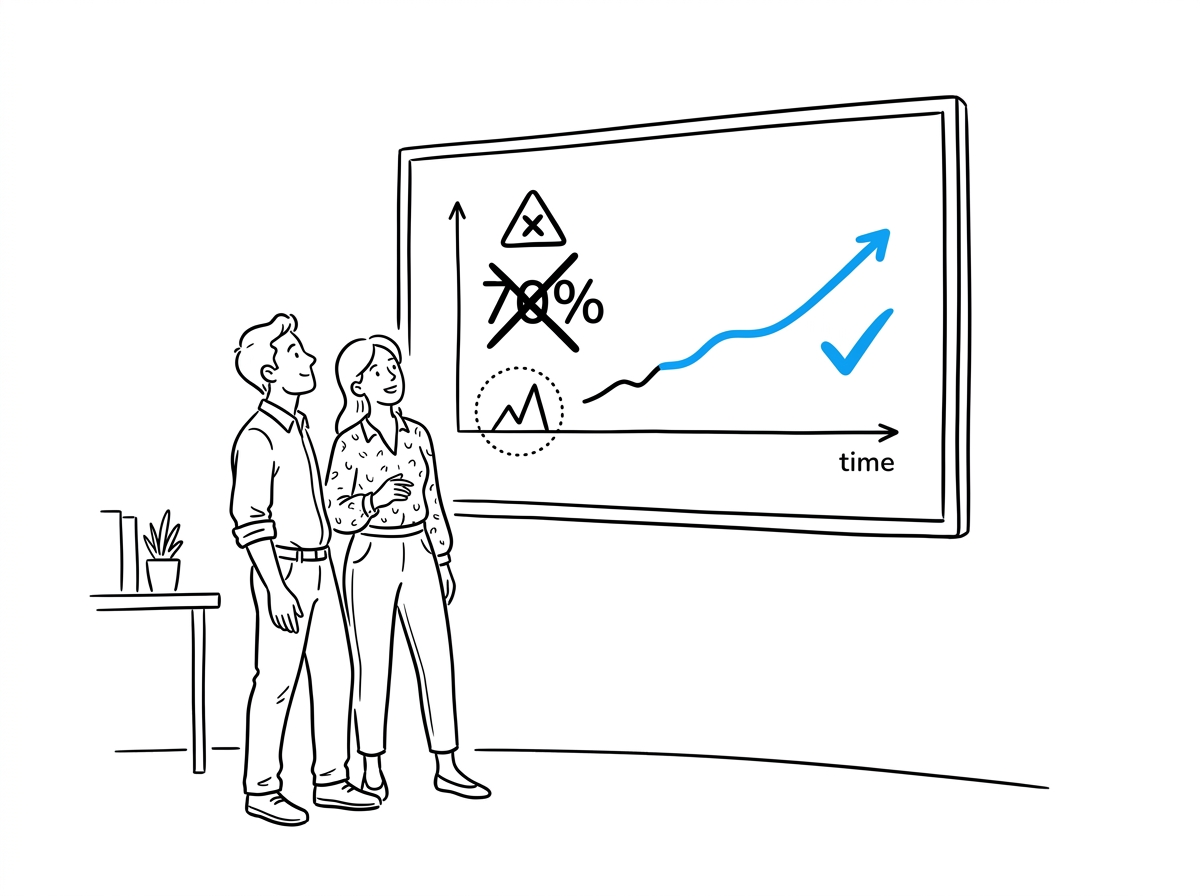
Once you have a live product and a growth number to defend, run it through the Growth Rate Calculator. Feed in a start value, an end value, and the number of periods, and it returns your Simple Growth Rate or CAGR. This matters because early MRR charts lie: going from $50 to $500 in a month is mathematically a 900% increase, but it's a rounding error in dollar terms, not a trend. The calculator forces you to look at the real trajectory instead of a headline percentage — a habit worth building before you implement anything at scale.

The 4-Phase Framework for How to Implement a Vibe Business
A widely cited case study on blog.vibecoder.me documents a founder's real path from zero to $10,000 MRR using AI/vibe coding, broken into four phases with distinct time allocations:
- Days 1-30 — Build the MVP. One workflow, no auth, demo-quality. Time split: 80% building, 20% talking to prospective customers. The goal is a thing you can show, not a thing that scales.
- Days 30-90 — Land the first 10 paying customers. Founder-led outreach and live demos, charging from day one — even a low price validates better than a free tier ever will. Time flips to 20% building, 80% customer development.
- Months 3-6 — Scale to 100 customers. Systematic marketing takes over: by month six, content marketing drove 60% of new signups. The documented mistake here is instructive — the founder tested paid ads in months 2-3, before there was a repeatable funnel to feed, and the spend was wasted. Time allocation settles to roughly 40% marketing, 30% building, 30% support.
- Months 6-12 — Turn traction into $10K MRR. Retention and expansion, not new-logo chasing, close the gap. Customer success was handled manually at first, and delaying a support hire past month eight created a 25-hour-a-week workload that nearly caused burnout — a second documented failure worth planning around.
The pattern across all four phases: building shrinks and customer-facing work grows every step. If your own time allocation looks inverted past month two, you're implementing the demo, not the business.
Manual vs. AI-Assisted Implementation
| Step | Manual approach | AI-assisted (vibe) approach |
|---|---|---|
| Building the MVP | Weeks of custom dev before first user sees it | Days, via AI-generated code, ships to first prospect fast |
| Validating the wedge | Guesswork or expensive market research | Scan live creator/channel leaderboards (e.g., Rank) for where attention already concentrates |
| Reading growth | Eyeballing a revenue chart, trusting the biggest percentage | Run start/end values through a growth-rate calculator to separate real trend from small-base noise |
| Scaling customers | Hire a sales team before product-market fit | Founder-led outreach first, marketing systems only after repeatable demand is proven |
| Support at scale | Reactive hiring after burnout | Plan the support hire against a known workload ceiling before it hits |
A Second Lens: The Build-Create-Earn-Listen Loop
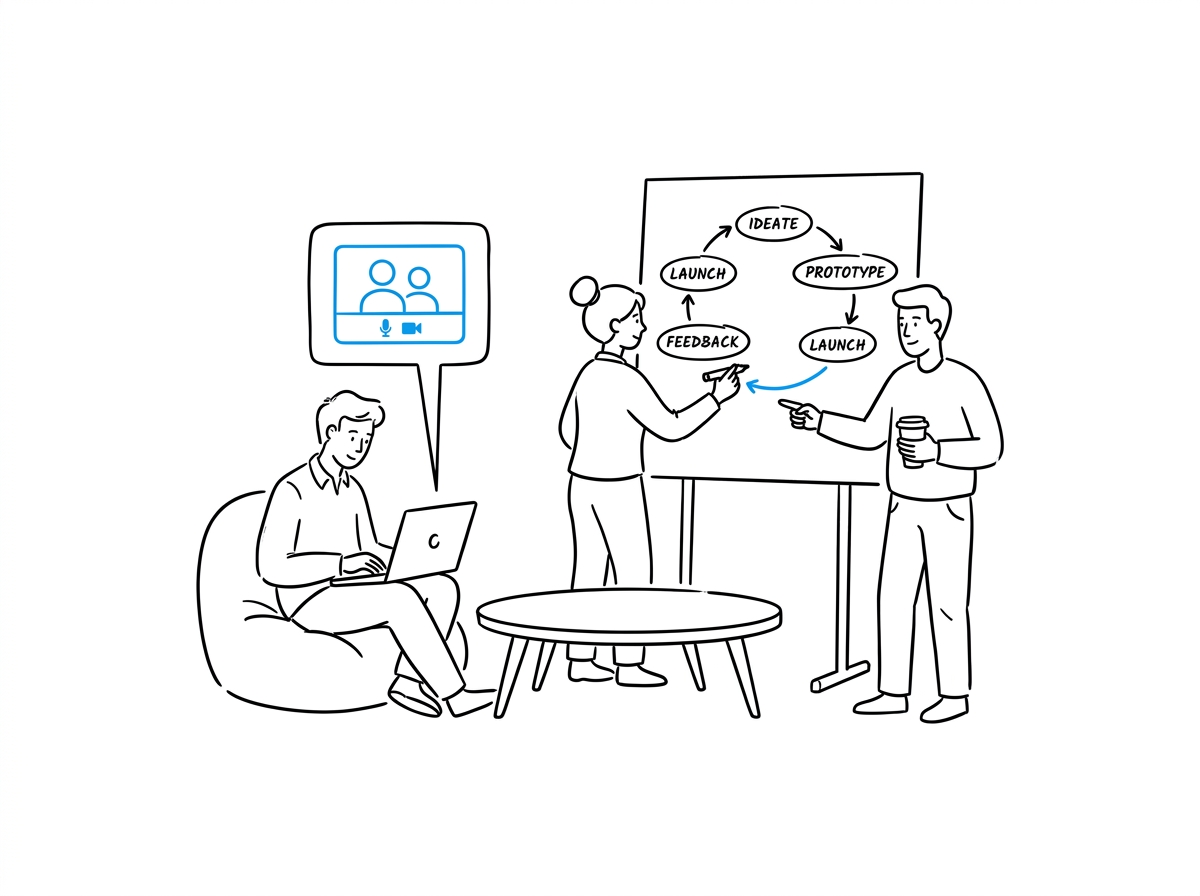
For a complementary implementation model, watch Alex Finn's "How I made $500,000 with Claude Code" (42,600+ views since its January 2026 upload). Finn frames implementation as a loop rather than a line: build the product, create content about building it, earn from both the product and the content, then listen to the audience for the next build. His SaaS crossed $300K and his content/sponsorships added another $100K+ — running in parallel, not sequentially. It's a useful check against the vibecoder.me phases: the loop keeps working even after phase four, because "listen" feeds the next wedge.
Common Mistakes When Implementing a Vibe Business
- Spending on paid ads before a repeatable content or outreach funnel exists.
- Giving the product away free instead of charging from the first customer.
- Treating build time as 80%+ of the work past the first month.
- Delaying a support hire until the workload is already unsustainable.
- Reading a percentage-only growth chart without checking the base number first.
Implementing a vibe business is a sequencing problem more than a technical one. For a broader operating framework once you're past the MVP stage, see Concat Pro's guide on how to automate business growth and its overview of an AI-native growth OS for what to systematize once phase three hits.
References
- Concat Pro — Rank and Growth Rate Calculator
- Vibecoder — Case Study: Building a SaaS From 0 to 10K MRR With AI
- Alex Finn — How I made $500,000 with Claude Code (and how you can too), YouTube, January 2026