Ninety percent of law firms already have a website. Fewer than one in five turn a visitor into a signed client. If your firm's site reads like a digital business card instead of an intake engine, you are not alone — and the fix is more mechanical than most agencies admit.
87% of law firms operate a website today (MyCase, 2026), yet the average visitor-to-client conversion rate sits at just 17.6%. Median conversion on legal landing pages is closer to 6.3%, while the top quartile of firms convert at 14-15%+ (Unbounce/Lexgro/EpicAttorneyMarketing benchmarks, 2026). That gap is not talent or budget — it is process. Firms that treat their website as a system to audit, test, and rebuild consistently outperform firms that treat it as a one-time design project.
The 4-Phase Rebuild Framework
Phase 1 — Audit before you touch design. Pull every page's load time, mobile score, practice-area coverage, and message-to-intent match. Most firms skip this and jump straight to a redesign, which just re-ships the same conversion leaks in a nicer template.
Phase 2 — Fix message-to-search-intent mismatch. A visitor searching "car accident lawyer near me" wants a phone number and a case-result number above the fold, not a firm history paragraph. Rewrite hero sections around the top 3-5 practice-area keywords your firm actually wins cases in.
Phase 3 — Instrument the intake path. Add call tracking, form-fill tracking, and chat-response-time tracking. Firms that respond to a new lead within 5 minutes see up to 400% higher conversion versus firms that respond within an hour (RevenueMemo, 2026 industry data). If you cannot measure response time today, you cannot fix it.
Phase 4 — Ship, then re-audit monthly. SEO and conversion decay. Google algorithm shifts, competitor redesigns, and content rot all erode rankings quietly. Treat the site as a living asset with a recurring audit cadence, not a project with an end date.

Manual Process vs. AI-Assisted Workflow
| Task | Manual Approach | AI-Assisted Workflow |
|---|---|---|
| Site audit (SEO, UX, speed) | Agency audit, 2-4 weeks, $3K-$8K | Automated audit in minutes, re-run monthly |
| Practice-area page copy | Freelance writer per page, $200-$600/page | AI-generated draft, attorney reviews and edits |
| Conversion rate benchmarking | Manual spreadsheet tracking, quarterly | Live calculator, checked weekly |
| Competitor monitoring | Manual site visits, ad hoc | Continuous crawl + alerting |
| Fix prioritization | Agency recommends, firm waits on next sprint | Ranked issue list, fix same week |
Real Growth Cases (With Numbers)
- Consultwebs — 10-client web design cohort: Firms that went through a structured website rebuild saw organic leads increase by 238% and a 14% average monthly increase in the months following launch (Consultwebs case study data, consultwebs.com).
- Response-time fix alone: Firms that cut lead response time to under 5 minutes reported up to 400% higher conversion versus slower responders — a fix that required zero redesign, only intake-path instrumentation (RevenueMemo, 2026).
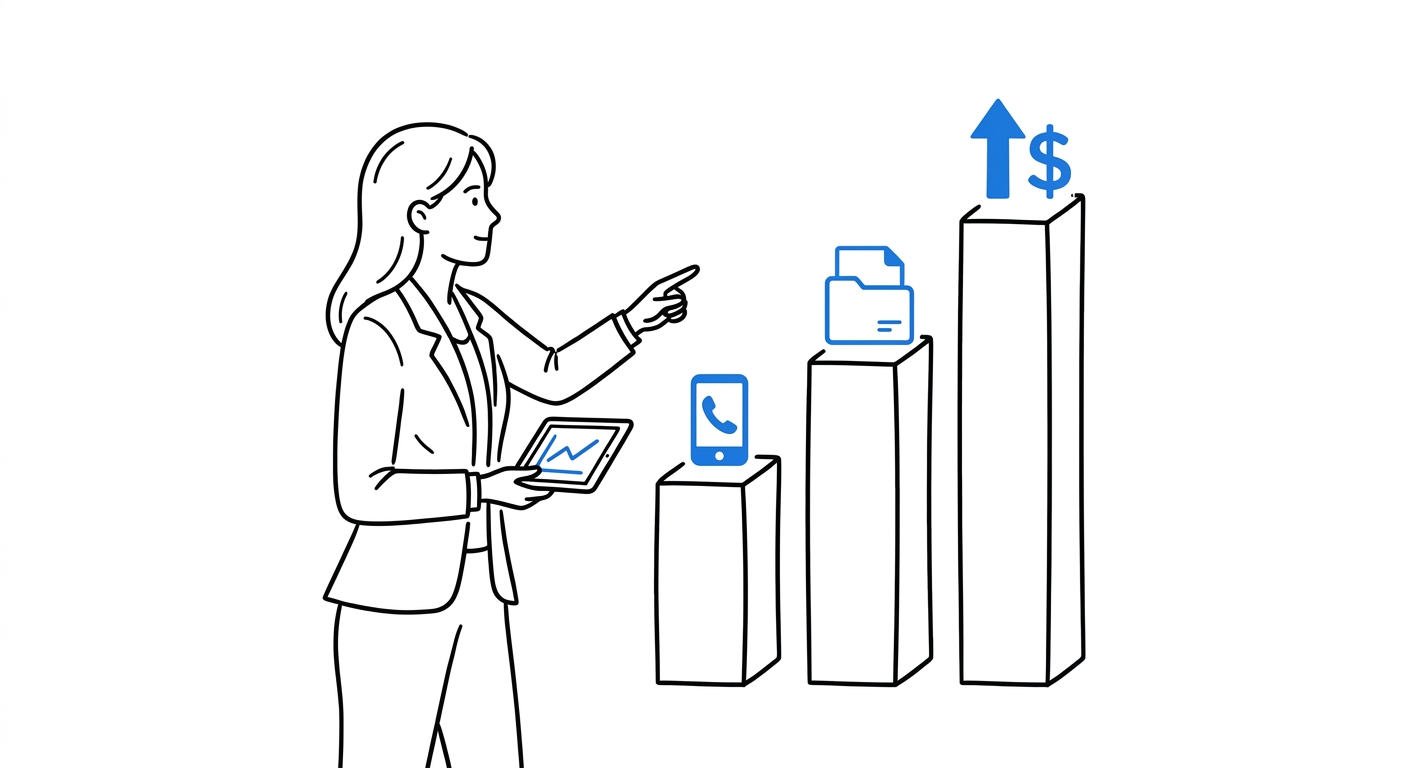
- Benchmark gap firms are closing: Firms moving from the 6.3% median legal-page conversion rate toward the 14-15% top-quartile benchmark are, in practice, closing a gap worth more than double their current signed-case volume from the same traffic (Unbounce/Lexgro benchmark data, 2026) — no added ad spend required.
Common Mistakes That Kill Intake Rate
- No phone number or case-result proof above the fold. Visitors decide in seconds.
- One generic "Contact Us" page for every practice area. Intent mismatch kills conversion.
- No mobile-speed audit. Most legal searches happen on mobile; a 3-second load delay measurably raises bounce rate.
- Redesigning without auditing first. You will re-ship the same leaks in new colors.
- Treating the launch as the finish line. Rankings and conversion both decay without a recurring audit cadence.
Where Concat Pro Fits
Concat Pro's Website Agent automates Phase 1 and Phase 4 above: it audits pages for SEO, messaging, UX, and conversion issues, then helps rebuild or optimize the pages that are leaking leads — instead of waiting weeks for an agency audit. Pair it with the Conversion Rate Calculator to benchmark your intake funnel against the numbers above before and after each fix, and the SEO/GEO Agent to keep practice-area content aligned with both search engines and AI answer engines.
For a deeper walkthrough of the AI-driven shift reshaping law firm SEO going into 2026, watch Neil Patel's recent breakdown: The Old SEO System Is Collapsing. Here's What Replaces It. — directly relevant to why practice-area pages built for the old ranking playbook are losing traffic today.
Law firm websites do not need more design polish. They need a repeatable audit-fix-measure loop. Firms running that loop consistently outperform firms that redesign once every three years and hope.

References
- Concat Pro — Website Agent
- Consultwebs — Web Design Case Study
- MyCase — 2026 Law Firm Website Statistics