A $3.48B ecommerce brand had a conversion rate stuck at 5% and a 78% bounce rate. Its team was hand-building product recommendation sections for every customer segment, and the manual process couldn't keep pace with new SKUs or shifting behavior. After switching to an AI-powered recommendation engine, personalized suggestions drove 32% of total revenue, converted 2.5x better than generic picks, and pushed the registration-to-purchase rate from 5% to 28%. That is the case for AI product recommendations for ecommerce in one paragraph: relevance compounds, and manual segmentation cannot keep up with catalog and behavior at scale.
Why AI Product Recommendations for Ecommerce Move the Revenue Needle
The brand above (documented in Netcore's 2025 case study) had classic symptoms of manual personalization: one homepage for every user, no next-best-action logic, no re-engagement after signup, and segments based on age and gender instead of behavior. A 30-year-old office worker browsing silk blouses and a parent searching for nursing tops saw the identical bohemian-dress banner. After the brand deployed AI-driven carousels and web push based on real-time browsing, search, and bookmark data, repeat purchases rose 22% and revenue per user climbed without added ad spend. The lesson generalizes: AI product recommendations for ecommerce work because they replace static segments with a model that updates every session, not every quarter.
Where Concat Pro Fits in Your AI Product Recommendations for Ecommerce Stack
Recommendations do not stop at your own product pages anymore. Shoppers increasingly ask ChatGPT, Perplexity, and Google's AI Overviews to recommend a product directly, and those systems can only recommend what they can understand and cite. Concat Pro's SEO/GEO Agent is built for exactly that gap: it takes your product, audience, market, keywords, and brand positioning, then generates SEO-friendly, AI-answer-ready articles adapted to each platform's tone and structure, and publishes them in one click. Its AI Search Visibility Report tracks brand mentions, entity signals, and LLM visibility, so you can see whether AI engines already understand and cite your product before you spend on a fix. This is the content-side half of AI product recommendations for ecommerce: getting your product described clearly enough, in enough places, that an AI system can recommend it in the first place.

The New Frontier: Getting Recommended Inside the Chat Window
This shift is already measurable. Yotpo reports that AI-driven traffic to US retail sites rose 393% year over year in Q1 2026 and converts roughly 42% better than non-AI traffic — high-intent shoppers who arrive already leaning toward a purchase. Brands like Beekman 1802 and David Protein now use Yotpo Discover to monitor how often ChatGPT, Perplexity, and Claude recommend their products versus competitors, then adjust product content, reviews, and structured data to close the gap. The pattern mirrors on-site personalization: the brands winning are the ones treating "does the AI recommend us" as a metric to manage, not a black box to hope about.
A 4-Phase Framework for AI Product Recommendations for Ecommerce
- Audit your current recommendation surfaces. On-site widgets, email, and AI-answer visibility all need a baseline before you touch anything. Two sibling deep-dives — AI in Ecommerce: Real Examples and Live Personalization Apps for Shopify — cover the on-site personalization layer in more depth if that is your starting gap.
- Pick the recommendation layer that matches the leak. Low add-to-cart rate points to on-site recommendation relevance. Low AI-assistant mentions point to a content and GEO gap, not a widget problem.
- Pilot with a control group. Run the new recommendation logic (or the new GEO content) against a held-out segment for a full purchase cycle before rolling it out storewide.
- Project the ROI, then scale. Run your pilot's conversion delta through Concat Pro's conversion rate calculator to translate a percentage lift into a dollar figure your finance team will sign off on before a full rollout.

Manual vs. AI-Native Product Recommendations
| Manual Segmentation | AI-Native Recommendations | |
|---|---|---|
| Personalization basis | Age, gender, static cohorts | Real-time browsing, search, purchase behavior |
| Update cycle | Weeks per cohort change | Continuous, per session |
| Zero-result search handling | Generic "no results" page | Automatic substitutes matched to intent |
| AI-answer visibility | Not tracked | Monitored via brand mentions and LLM citation reports |
| Documented lift | Flat or declining as catalog grows | 32% of revenue, 2.5x conversion, 22% repeat-purchase lift (Netcore); 42% better conversion on AI-driven traffic (Yotpo) |
Common Mistakes With AI Product Recommendations for Ecommerce
- Treating on-site personalization and AI-answer visibility as the same problem — they need different fixes.
- Launching a storewide recommendation overhaul with no held-out control group to prove the lift.
- Ignoring zero-result search queries instead of turning them into cross-sell recommendations.
- Skipping GEO entirely and assuming AI assistants will describe your product accurately on their own.
- Not revisiting recommendation logic and content after a catalog change — cold-start experiences quietly erode conversion.
Word-of-mouth recommendations still matter alongside algorithmic ones. Concat Pro's Rank surfaces curated top-tier creators by platform and niche, so you can pair AI-driven on-site and AI-search recommendations with creators who recommend your product directly to their audience.
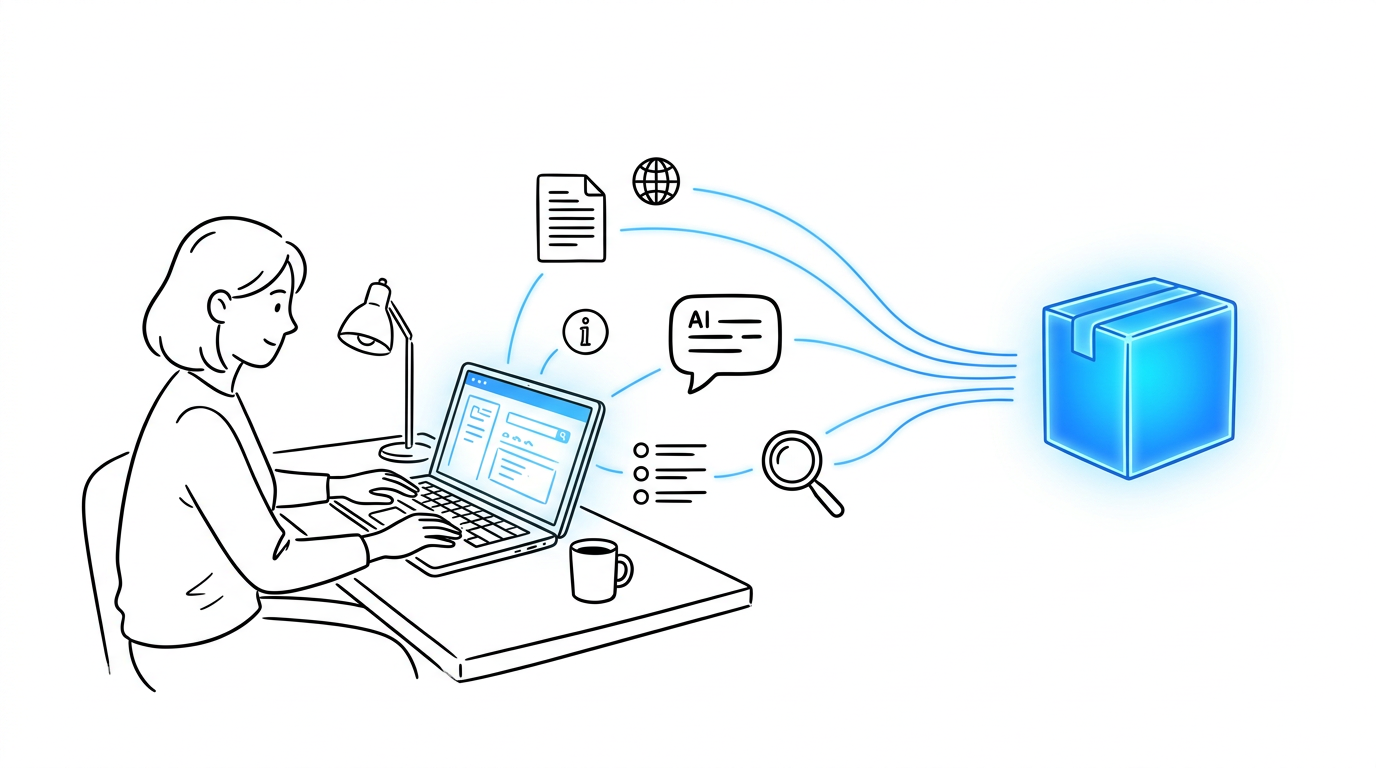
Watch: How an AI Recommendation Engine Actually Works
The Bottom Line
The 28% registration-to-purchase rate and the rising AI-assistant citations at Beekman 1802 and David Protein came from the same discipline: measure the recommendation gap first, match the fix to the layer that's actually broken, pilot before scaling, and re-check the numbers every quarter. AI product recommendations for ecommerce are no longer optional — they are the difference between a homepage that guesses and one that converts.