Vibe coding tools made building software almost free — anyone can prompt Claude or Base44 into a working app over a weekend. But shipping code isn't the same as running a business. Most first-timers skip the one thing that decides whether anyone pays: a strategy for validating, launching, and reading growth honestly before writing a single feature. Search interest in "vibe coding for beginners" is up roughly 9.6% and climbing (390 monthly searches, Google Keyword Insight data), so the audience is here — but almost none of that content covers what happens after the demo works. This is a strategy layer for total beginners, no dev background required.
Where Concat Pro Fits Into a Vibe Business Strategy for Beginners
Before building anything, you need two honest inputs: who already owns the audience you're chasing, and whether your early numbers mean anything. Concat Pro's Rank publishes regularly refreshed leaderboards of top creators and channels by platform and niche. If you're about to vibe-code a tool for, say, freelance bookkeepers, you can see which YouTube and TikTok accounts already hold that audience's attention before spending a weekend building — your outreach list, decided before code, not after.
Once you have real numbers — even tiny ones, like 6 signups in a weekend — the Growth Rate Calculator turns an initial value, a final value, and a time period into a simple growth rate or CAGR. This matters most for beginners: the tool's own benchmarks show early-stage SaaS MRR growing 15-25% a month is healthy, and it warns that jumping from a tiny base — $50 to $500 — reads as a dramatic 900% increase but tells you almost nothing. First-timers who skip this context routinely mistake a rounding error for product-market fit.
The 3-Phase Beginner Framework
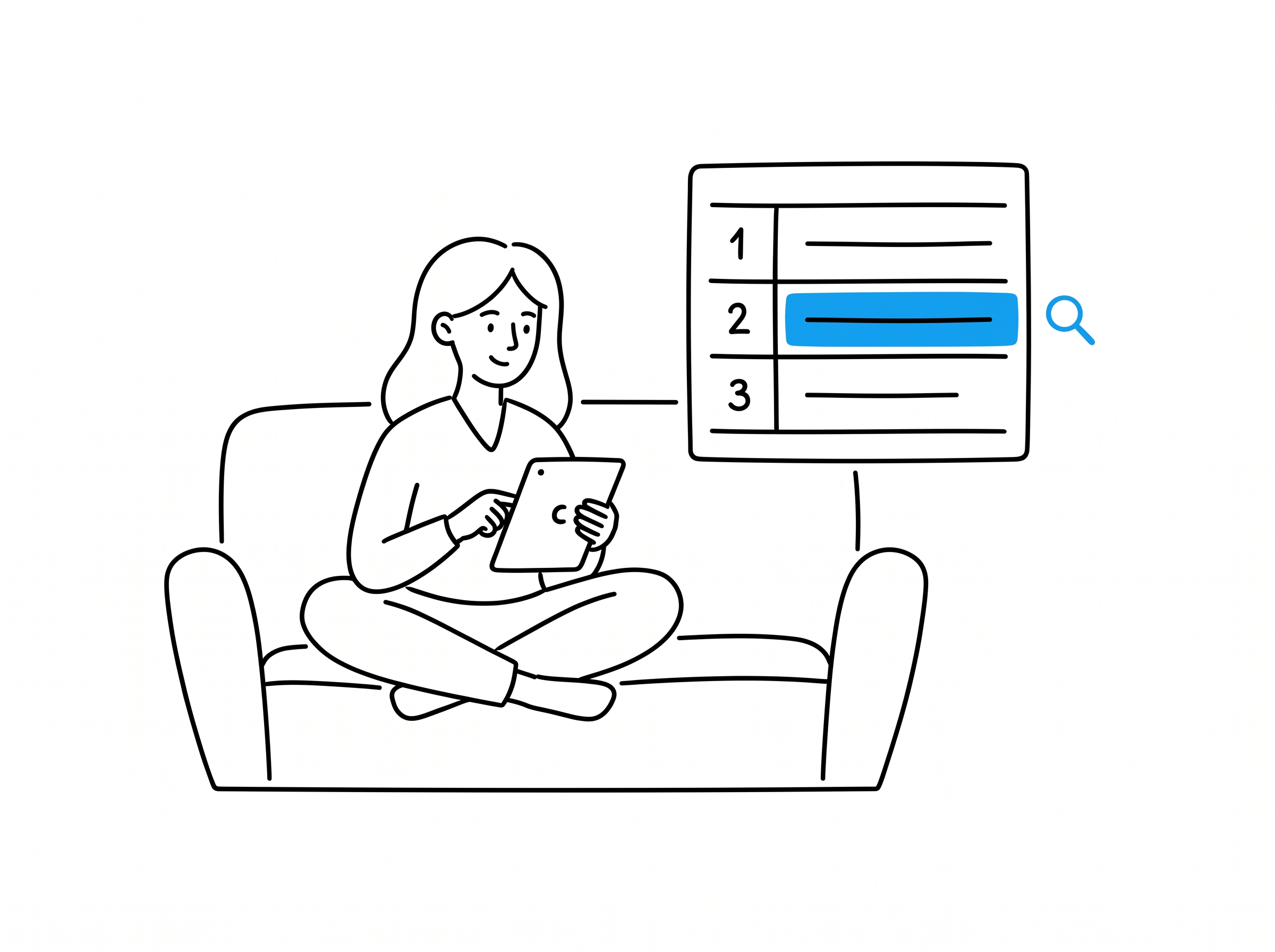
Phase 1 — Validate before you build. Post a landing page with a real price and a "Get Early Access" Stripe button. No clicks means you just saved a weekend.
Phase 2 — Ship the smallest working version, then fix forward. Your first build will break in ways you didn't predict. Budget time to patch it live, not to perfect it pre-launch.
Phase 3 — Read growth honestly, then pick one channel. Don't confuse "shipped" with "sustainable." Recurring revenue from an owned channel beats one-time views.
Real Case Studies: What Beginners Actually Built
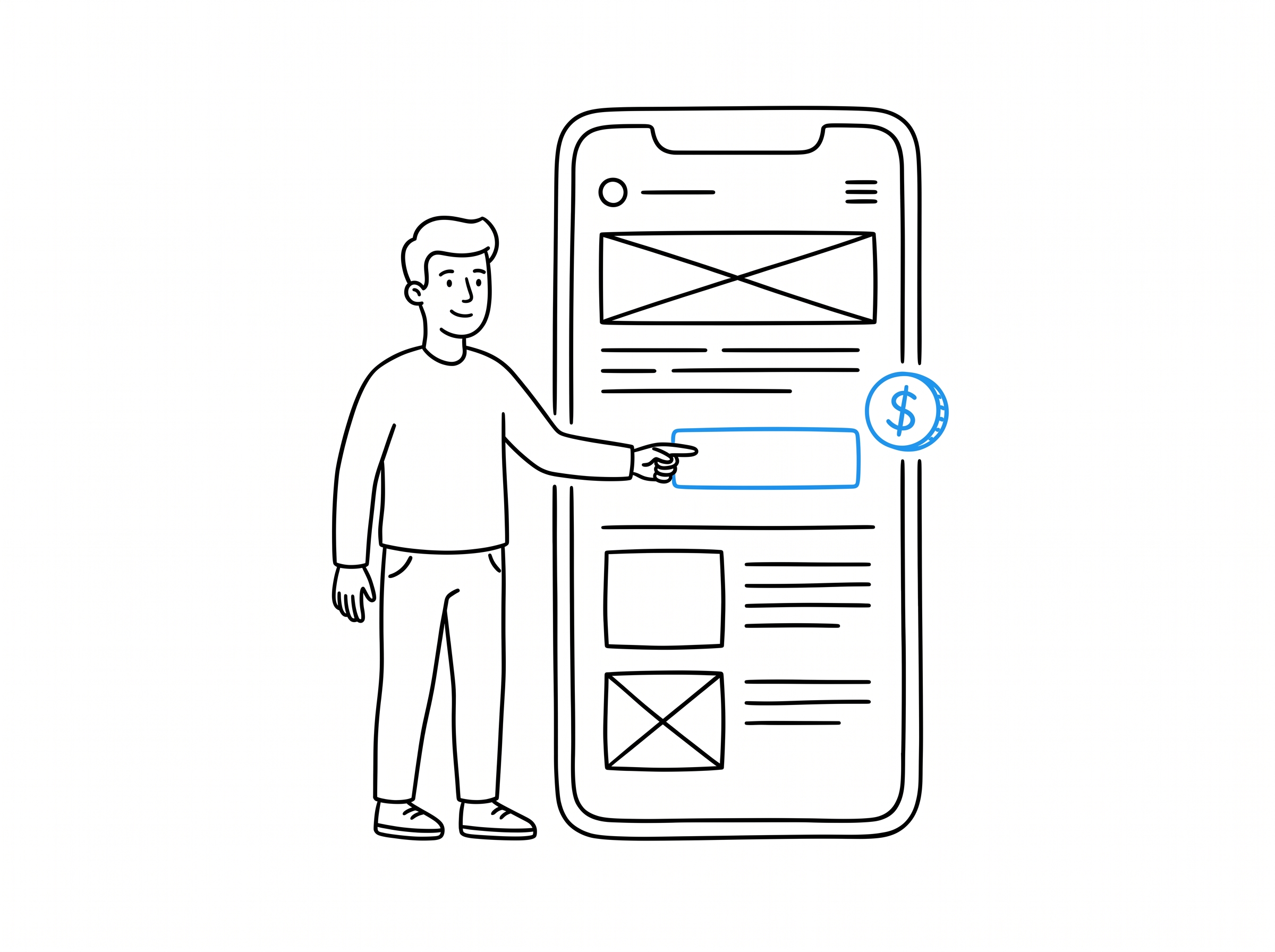
Michael Xeus had never sold software before. On a Friday night he posted a landing page for an invoice-reminder tool with a $29/month Stripe button in three Facebook groups — before writing any code. By morning: 6 signups, $174 in pre-revenue. He then vibe-coded the MVP with Claude over the weekend (Supabase, React, Vercel), fixing 12 bugs by describing what broke in plain English. By Monday: 14 monthly subscribers plus 3 annual — $1,276 in first-month revenue against roughly $80/month in hosting. Three other non-developers replicated his "72-Hour Challenge" and all landed paying customers within a week. His biggest mistake: skipping input sanitization — an apostrophe in a client's name crashed the app in week two. He later said he should have pre-sold to 20 people, not 6, and found a technical advisor for periodic review.
Sandy Lee's path rhymes with the same lesson. With zero coding, AI, or SEO background, she landed a $3,000 Upwork gig that grew into $5,500 monthly recurring work. By month six she crossed $50,000 in a single month by combining sponsorships, retainer clients, a paid community, and a vibe-coded app she built herself — then hired a senior engineer to harden it once it needed to scale. Her framing: sell an outcome, learn fast, and own your distribution instead of depending on views.

Metics Media's "The Ultimate Beginner's Guide to Vibe Coding" (478K views) covers the same first-project mechanics above — picking a tool, planning the build, and shipping without a dev background.
Manual vs. AI-Assisted: What Changes for a Beginner
| Task | Manual Path | Vibe-Coded Path |
|---|---|---|
| Building the MVP | Hire a developer (weeks to months) | Prompt-build with Claude/Base44 (hours to a weekend) |
| Validating demand | Surveys, guesswork | Live landing page + real Stripe button |
| Fixing bugs | Read stack traces manually | Describe the broken behavior, iterate |
| Finding an audience | Cold outreach, no data | Check who already owns the niche's attention first |
| Reading growth | Eyeball a percentage | Compare against a stage-appropriate benchmark |
Common Mistakes Beginners Make
- Skipping validation — Xeus proved 6 real signups in one night is possible before any code exists.
- Ignoring input security — an unvalidated field crashed a live paying product in week two.
- Treating "it works" as "it's done" — Lee's app only scaled once an engineer reviewed it.
- Chasing views over owned distribution — sponsorship spikes fade; email lists and recurring clients compound.
- Reading raw percentage growth without context — a jump from a tiny base looks dramatic and means little.
For the surrounding playbook, see Concat Pro's guides on what happens once beginners start shipping, what it costs in practice, and tactics growth teams are applying now.
A vibe business strategy for beginners isn't about picking the fanciest AI tool — it's testing demand before you build, shipping something small enough to fix live, and reading your first numbers with enough skepticism to know if they mean anything. Get that sequence right, and the coding part is the easy half.
References
- Concat Pro, Rank — Creator & Channel Discovery Leaderboards
- Michael Xeus, "From Prompt to $12,000: How I Used 'Vibe Coding' to Build and Sell a Micro-SaaS in Exactly 72 Hours", Medium, January 16, 2026
- Ryan Doser, "How to Make Money With AI With No Experience (Real $50K Story)", June 30, 2026