The average ecommerce site converts somewhere between 1.9% and 3% of visitors into buyers. For every 100 shoppers who land on a product page, 97 to 98 leave without paying — and most stores never find out why. Traffic keeps flowing in from ads, SEO, and social, but the leak sits inside the funnel: confusing product pages, no help at the moment a high-ticket shopper hesitates, checkout friction nobody has measured.
AI conversion optimization for ecommerce closes that gap by working the parts of the funnel a human team can't watch 24/7: auditing every page for leaks at once, answering product questions in real time, and recovering carts the instant a shopper stalls. Below is the workflow — audit, deploy, pilot, measure — plus a real case study with the numbers behind it.
How Concat Pro Supports AI Conversion Optimization for Ecommerce
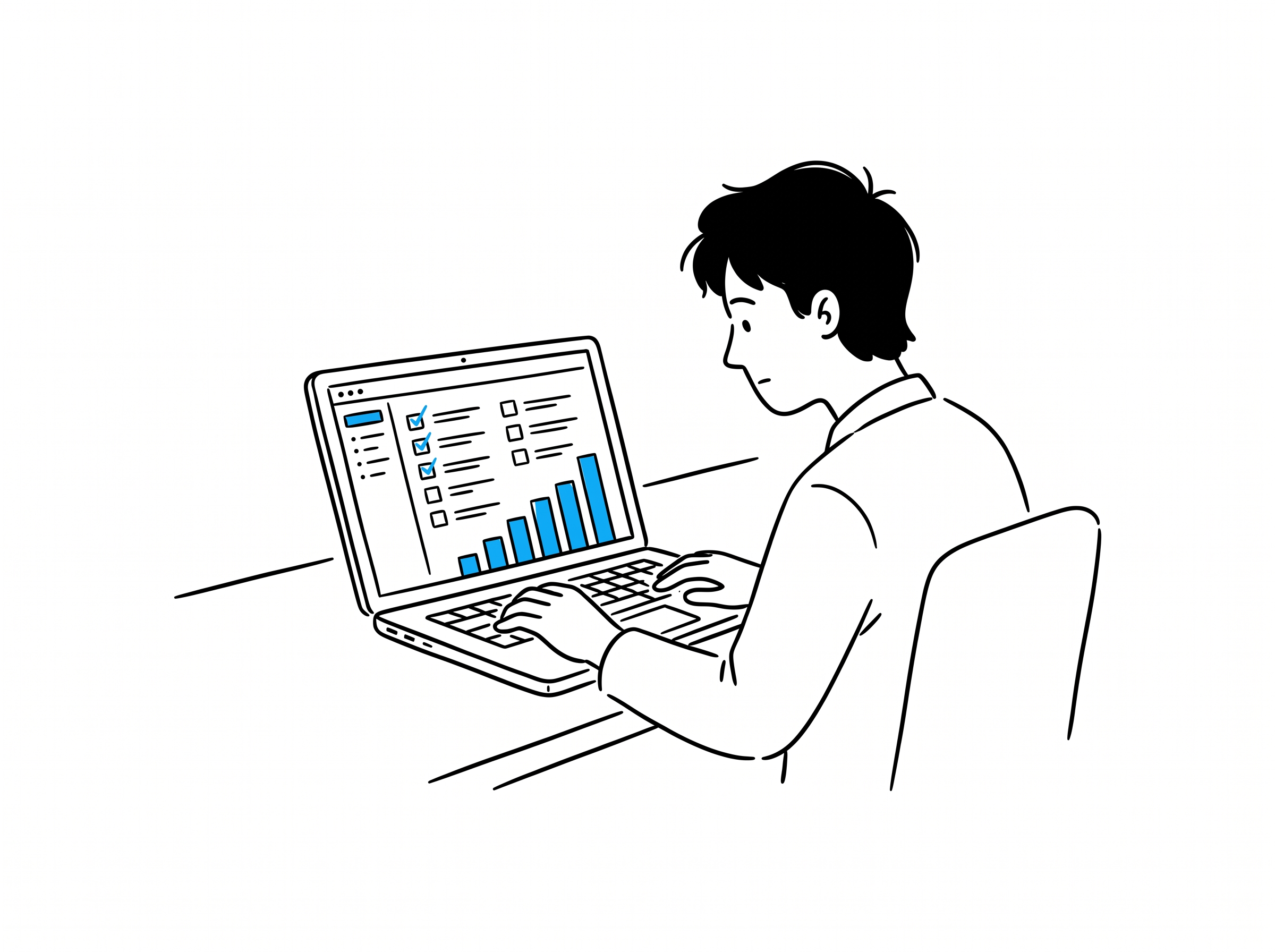
Most CRO work stalls at step one: finding out which pages are actually losing customers. Concat Pro's Website Agent runs that audit automatically. Submit your site, and it identifies opportunities across SEO, messaging clarity, UX, technical performance, and conversion, then recommends improvements to help turn more visitors into customers. Instead of guessing that your product copy or checkout flow is the problem, you get a prioritized list of leaks — the agent then generates improved page copy, layout, and CTAs, and tracks traffic, engagement, and conversion signals over time so you can confirm the fix worked.
That last part matters more than the fix itself. Before committing engineering time to any AI-driven intervention — a chat widget, a rebuilt product page, a new checkout flow — run the projected lift through Concat Pro's Conversion Rate Calculator. Built around conversions ÷ clicks × 100, one of its listed use cases is exactly this scenario: ecommerce checkout optimization, or cart-to-order rate. Plug in your current rate and a target lift, and you get the revenue delta in dollars before asking anyone to approve budget.
A 4-Phase Framework for AI Conversion Optimization in Ecommerce
- Audit the funnel, not just the homepage. Run a full-site audit to flag conversion leaks by page type: product pages, cart, checkout, and post-purchase. Low-traffic guesswork wastes the AI budget on pages that were never the problem.
- Match the AI intervention to the leak. A high abandoned-cart rate on high-ticket items points to a support gap — shoppers need answers before they'll pay, and a conversational AI layer fills that gap in real time. A low product-page-to-cart rate points to page copy, layout, or trust signals, which is where an on-site audit and rebuild does more good than a chatbot.
- Pilot with a control group. Roll the intervention out to a segment of traffic or a subset of product pages first. A full purchase cycle of data beats a gut feeling about whether it's working.
- Calculate the ROI, then scale. Run the pilot's conversion delta through a conversion rate calculator to turn a percentage-point lift into a revenue number, then decide whether to roll it out storewide.
Manual vs. AI-Native Conversion Optimization
| Manual approach | AI-native approach | |
|---|---|---|
| Diagnosing leaks | Spot-checked pages, hunches | Full-site audit across SEO, UX, messaging, and conversion signals |
| Customer support at checkout | Email/chat queue, hours of delay | Real-time AI chat, 24/7, product-specific answers |
| Abandoned-cart recovery | Generic discount email, sent hours later | AI-triggered recovery at the moment of hesitation |
| Validating a fix | Launch and hope | Pilot with a control group, then model ROI before scaling |
| Documented outcome | Inconsistent, rarely measured | 10x conversion lift on AI-assisted carts, 15% AOV increase (case study below) |
Real Case: How K2 Industries Used AI Chat to Fix a Conversion Plateau
K2 Industries, an automotive and auto-styling ecommerce retailer running on Shopify with Klaviyo and Gorgias, had a familiar problem: traffic was steady, but conversions had plateaued. Its support team was overwhelmed, and many products are high-ticket items shoppers won't buy without answers to fitment and compatibility questions first — exactly the moment a slow support queue costs a sale.
K2 deployed Rep AI, a conversational AI chat tool, to answer product-specific questions in real time, recover abandoned carts automatically, and handle after-hours support without a human on shift. Per Rep AI's 2026 case study: a 10x higher conversion rate through AI chat, especially on recovered abandoned carts; an 80% drop in support tickets; and a 15% increase in average order value from AI-guided recommendations during chat. "We could finally give every customer a knowledgeable answer instantly, at 2 a.m. or at 2 p.m.," said Collin Matheny, K2's Marketing Lead.
The lesson generalizes past chatbots specifically: the win came from putting an always-available, product-literate layer exactly where a shopper was about to leave — not from a general AI upgrade.
Watch: AI, Ads, and Conversion for Ecommerce in 2026
In this tutorial, HubSpot Marketing walks through the analytics side of the same loop: after a campaign launches, feed multi-channel performance data — traffic, heatmaps, email opens — into AI to uncover exactly where shoppers hesitate, then separate quick fixes from bigger structural changes before the next cycle. It's the data-diagnosis counterpart to the product-page and chat interventions above; you still need to know where the leak is before picking which AI tool fixes it.## Common Mistakes in AI Conversion Optimization for Ecommerce
- Deploying AI chat with no product data behind it. K2's lift depended on the AI actually knowing the catalog; a chatbot that can't answer specific questions just adds another dead end.
- Skipping the audit and guessing at the leak. Installing a chat widget before auditing which pages actually lose customers often fixes the wrong step.
- Launching storewide with no pilot. A held-out control group is the only way to know a lift is real, not seasonal noise.
- Never modeling the dollar impact. A 2-point lift means very different things at $50 AOV versus $500 AOV — run it through a calculator first.
- Treating the fix as one-time. Catalog changes and shifting traffic quietly erode a conversion win if nobody re-audits.
For related workflows, see how AI recommendation engines lift conversion in AI Product Recommendations for Ecommerce, and how quizzes and chatbots capture top-of-funnel intent in AI Lead Generation for Ecommerce.
The Bottom Line
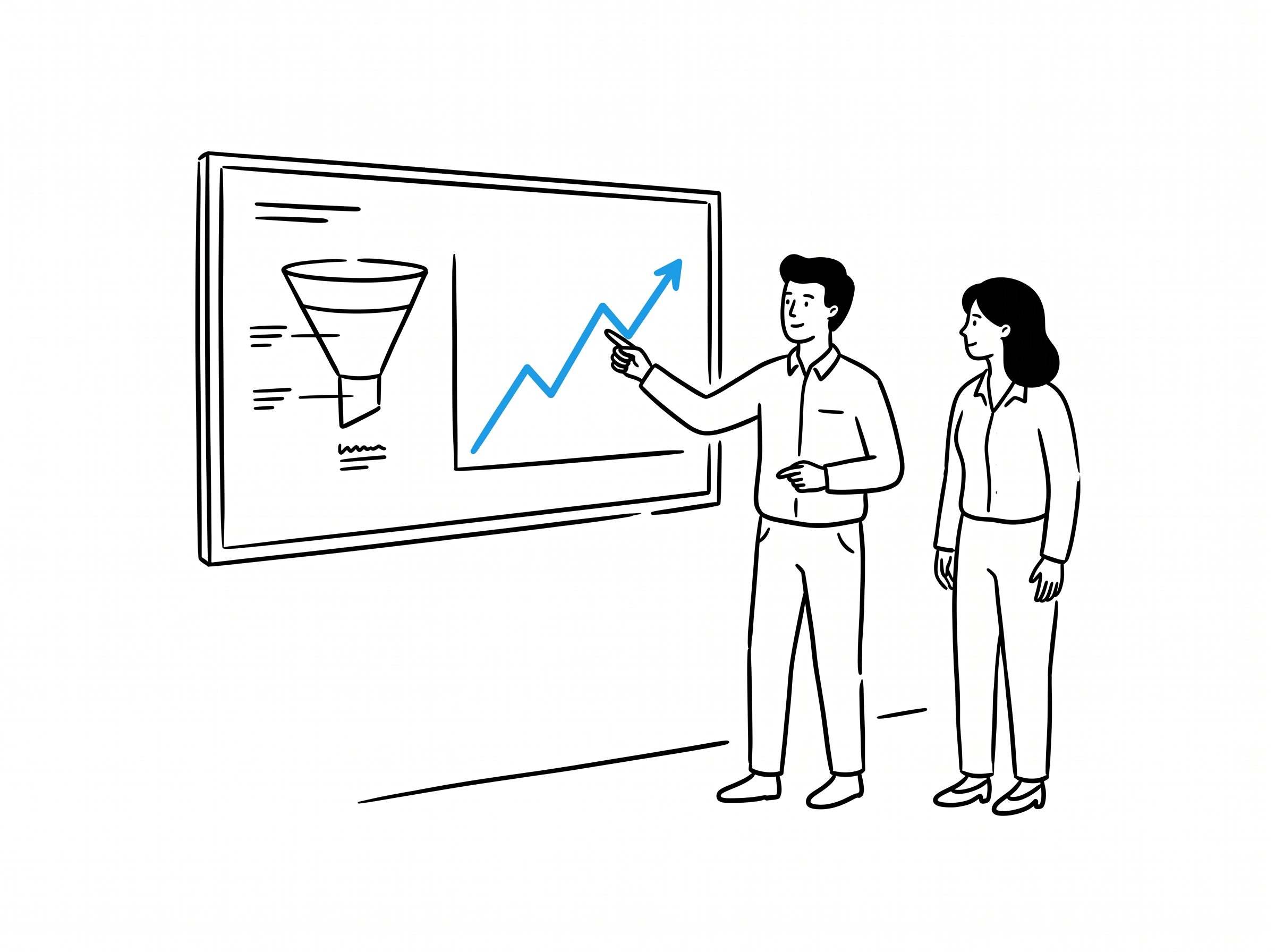
AI conversion optimization for ecommerce works when it follows a sequence: audit the funnel, match the AI intervention to the specific leak, pilot before scaling, and calculate ROI before committing budget. K2 Industries didn't get a 10x lift from a generic AI tool — it put a product-literate chat layer exactly where high-ticket shoppers were stalling, then measured the result. That discipline, not the AI itself, is what turns a plateaued conversion rate into a growth lever.
References
- Concat Pro — Website Agent and Conversion Rate Calculator
- Rep AI — K2 Industries Case Study: 10x Conversion Rate with AI Chat
- HubSpot Marketing — Conversion Rate Optimization Tutorial: 5 Steps To Optimize Your Marketing Campaigns Using AI + Data