Most ecommerce teams already use some AI — a recommendation widget here, a subject-line generator there. Few use it as a system. The brands pulling ahead in 2026 treat AI as an operating layer across research, creative, media buying, and reporting, not a bolt-on feature. This is a practical breakdown of how to use AI for ecommerce marketing: where to start, what it actually changes, and two real cases with the numbers to back it up.
How to Use AI for Ecommerce Marketing: Where Concat Pro Fits
Before scaling any AI workflow, a growth team needs two things: a shortlist of who to reach, and a way to prove the effort moved revenue. That is where Concat Pro fits, and it fits early, not after the campaign is live.
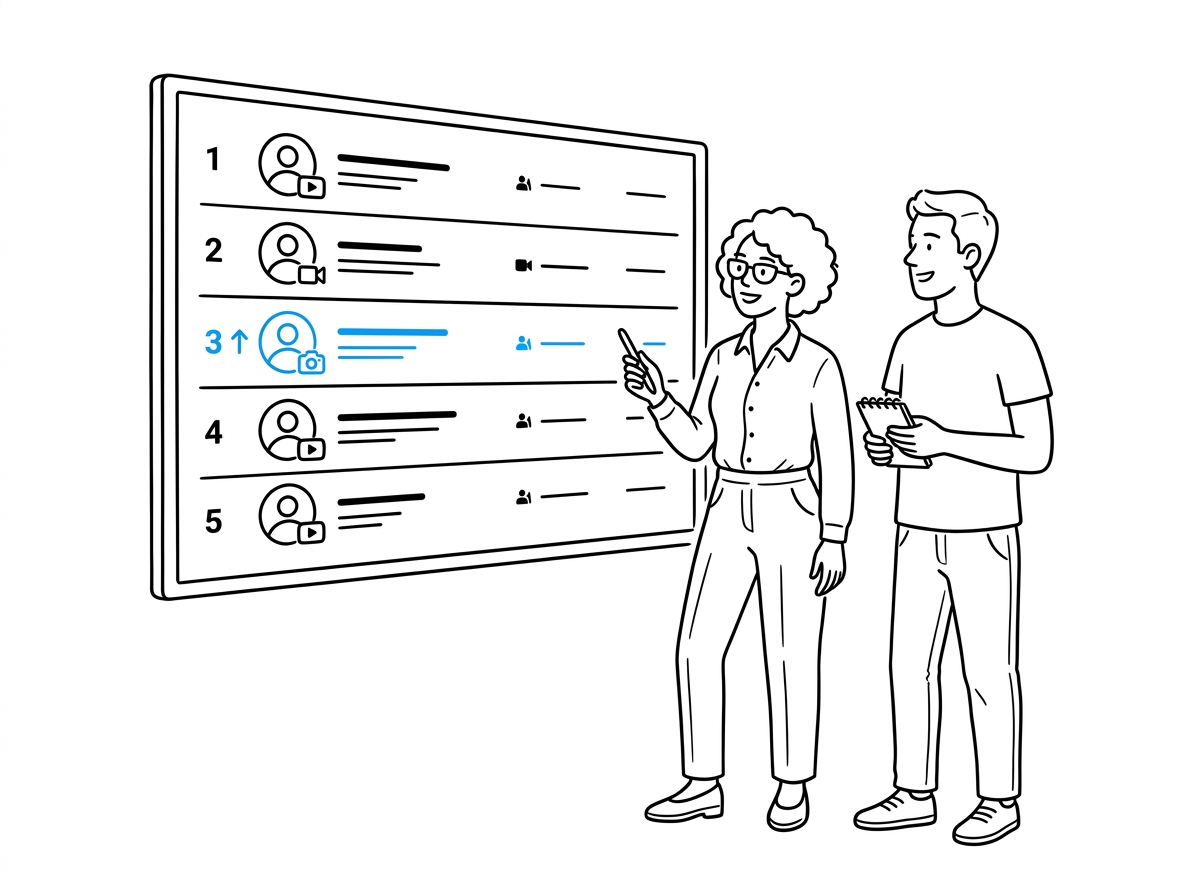
Finding who to reach. Ecommerce teams waste weeks manually scrolling creator profiles to build an outreach list. Concat Pro's Rank publishes curated leaderboards of top-tier creators and channels across YouTube, Instagram, TikTok, and X, organized by industry and niche. Instead of guessing which creators are actually active and sizable in a category — home goods, skincare, pet products — a team pulls a ranked list as a starting point for creator research, then narrows it to the handful worth a real outreach conversation.
Proving the growth is real. Once a campaign runs, "traffic is up" is not a result. Concat Pro's Growth Rate Calculator takes a starting value and an ending value (plus an optional number of periods) and returns the simple growth rate or the compound growth rate (CAGR). A team can drop in last month's revenue against this month's, or Q1 versus Q2, and get a defensible number instead of an eyeballed guess — which matters when a new AI channel needs to compete for next quarter's budget against paid search or email.
Neither tool writes ad copy or launches campaigns. They solve the two problems every AI ecommerce marketing effort hits first: who to target, and how to measure whether it worked.
Real Results: Two Ecommerce Brands That Made AI Marketing Work
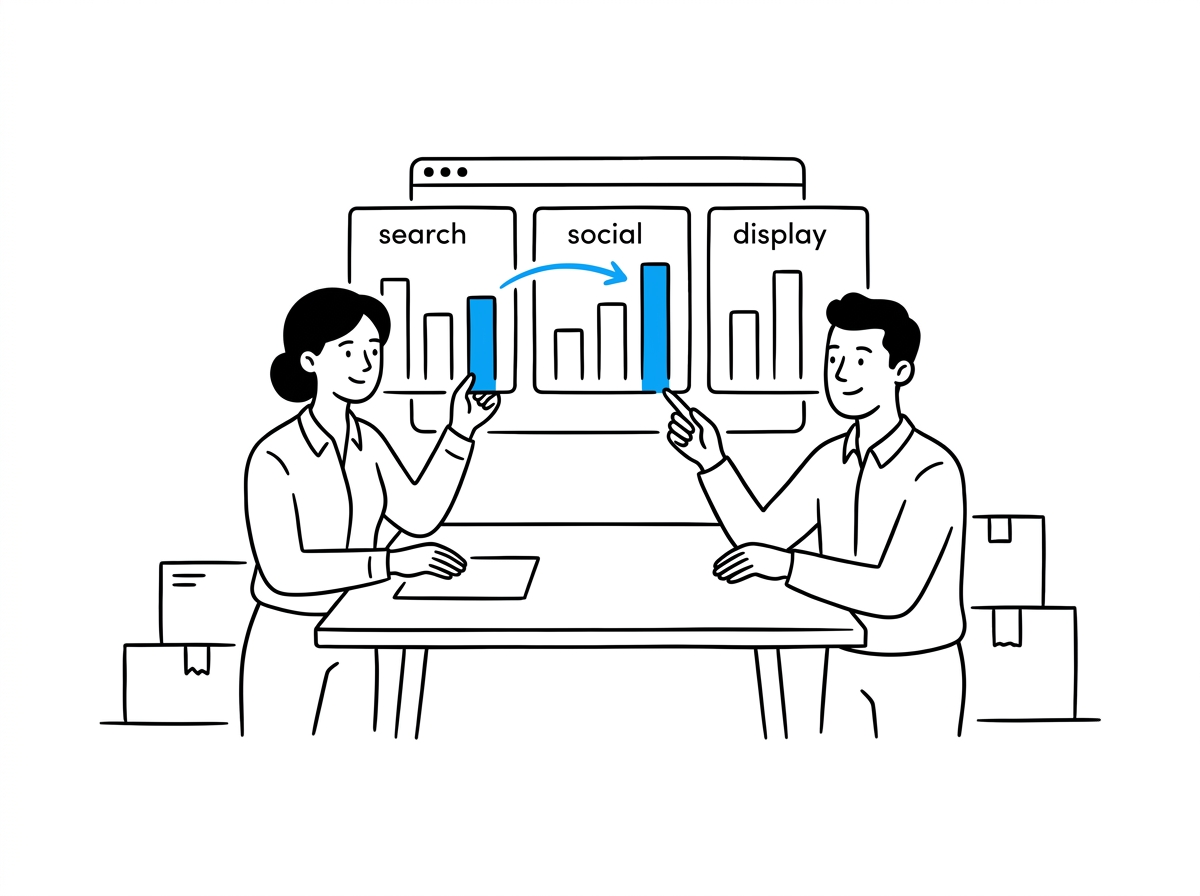
Cosabella, an Italian lingerie brand, replaced its paid-media agency with Albert, an AI platform that reallocates budget across Google, Facebook, and Instagram in real time based on live performance signals rather than a weekly manual review. Over the test period, return on ad spend rose 336% and revenue from paid search rose 155% — without adding headcount to the media team.
A US/Canada home-and-lifestyle retailer worked with agency HikeMyTraffic to unify AI-driven SEO, generative-search optimization, and paid media under one roadmap instead of three disconnected vendors (the client's name was withheld in the published case study). Over eight months, online revenue grew 3.6X, cost per acquisition dropped 61%, and the brand went from zero presence to appearing in Google AI Overviews for 34 of its 50 target queries.
| Brand | AI Application | Headline Result |
|---|---|---|
| Cosabella | AI budget allocation across paid channels (Albert) | +336% ROAS, +155% paid search revenue |
| Home/lifestyle retailer (HikeMyTraffic client) | AI SEO + AEO/GEO + paid media, one roadmap | 3.6X revenue, -61% CPA, AI Overview visibility |
Both cases share a pattern worth copying: AI did not replace the marketing plan, it made the plan react faster to real signals than a weekly dashboard review ever could.
For a broader view of how AI is reshaping discovery and channel strategy heading into next year, Neil Patel's recent video below argues visibility now has to be won across search, AI answer engines, and social at once — the same multi-channel bet both brands above made.
Manual vs. AI-Driven Ecommerce Marketing
| Task | Manual Approach | AI-Driven Approach |
|---|---|---|
| Ad budget allocation | Weekly manual review across channels | Real-time reallocation based on live performance |
| Creator/influencer sourcing | Hours scrolling profiles per niche | Ranked leaderboard as a research starting point (Rank) |
| Content for AI search visibility | Written for keywords only | Written to directly answer the query format AI engines cite |
| Growth reporting | Screenshot-and-guess in a spreadsheet | Start/end value in, growth rate or CAGR out |
| Cart recovery | Single generic reminder email | Segmented, multi-touch automated sequences |
4 Phases to Roll Out AI Ecommerce Marketing
- Audit the foundation. Fix crawl errors, page speed, and thin product descriptions before layering AI on top — the HikeMyTraffic case spent its first two months here on purpose.
- Pick one AI lever and prove it. Choose paid-budget automation (like Albert) or AI-assisted content for generative search, run it against a baseline, and calculate the real growth rate before expanding.
- Build the outreach and content layer. Use a tool like Rank to shortlist creators and channels, and write product/FAQ copy in the direct question-answer format AI Overviews and chat assistants tend to cite.
- Compound with retention. Add automated cart-recovery and post-purchase flows so existing traffic converts into more revenue per visitor, not just more visits.
Common Mistakes to Avoid
- Turning on an AI ad tool before fixing product-page conversion issues — it will just spend faster into a leaky funnel.
- Treating AI search visibility (AI Overviews, ChatGPT, Perplexity) as an SEO side-effect instead of a distinct channel worth its own content format.
- Reporting only blended growth numbers, which hides a strong channel offsetting a weak one.
- Skipping a real baseline before claiming an AI tool "worked" — a 900% jump often just means the starting number was tiny.
AI does not replace an ecommerce marketing strategy — it closes the lag between noticing a signal and acting on it, in ad spend, content, and outreach. Start with one lever, measure it honestly, then expand.
For more ecommerce-specific playbooks, see Concat Pro's guides on AI analytics for ecommerce, AI-driven customer retention, and AI conversion optimization.

References
- Pragmatic Digital — AI Marketing Case Studies 2026: Real Examples and Real Results (Cosabella/Albert case, published August 25, 2026)
- HikeMyTraffic — E-Commerce Revenue Grew 3.6X with AI SEO & Paid Ads (published July 23, 2026)
- Neil Patel — The Only Marketing Strategy That Is Working In 2026 (YouTube, ~44K views)